
The massive industrial drilling operations in the Permian Basin have transitioned from mechanical brute force into high-stakes data science theaters where every millisecond of latency counts toward the final bottom line. Historically, the energy sector relied heavily on back-office analysis, where geological data was collected on-site and then transmitted to distant corporate hubs for processing and interpretation. This inherent lag often resulted in drilling teams working with outdated insights, leading to missed opportunities in complex shale formations where geology can change drastically within just a few linear feet. As the industry moves through 2026, the volume of subsurface information generated by modern horizontal wells has reached a scale that manual human review can no longer manage effectively or profitably. To bridge this widening gap, Chevron introduced its proprietary APOLO platform, which shifts the analytical burden from centralized servers directly to the edge of the operational field, allowing for an unprecedented level of precision.
Decentralized Intelligence at the Wellhead
The Shift: From Generalization to Localized Precision
The deployment of the Automated Production Outlook and Location Optimization platform, known as APOLO, represents a fundamental departure from the broad generalizations that once defined the petroleum industry. In the past, completion designs were often static, applying a one-size-fits-all approach to massive acreage positions without accounting for the subtle but critical geological nuances found in unconventional reservoirs. This reliance on retrospective data meant that engineers were frequently reacting to problems that had already occurred rather than anticipating them. By utilizing edge computing, the technology processes millions of distinct data points directly at the site of extraction, which allows the system to identify geological anomalies as they are encountered. This localized precision ensures that the specific characteristics of tight rock formations are addressed with tailored strategies, effectively reducing the performance discrepancies that historically plagued large-scale drilling campaigns in the Permian and DJ Basins.
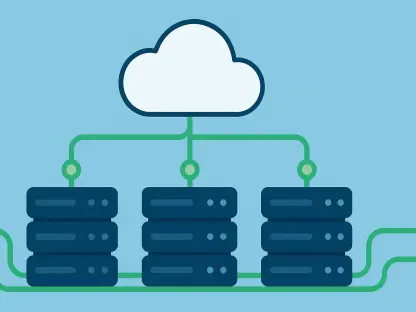
Building on this technological foundation, the platform provides engineers with standardized and explainable production estimates that remove the guesswork from complex reservoir management. The true value of edge computing in this context lies in its ability to synthesize massive streams of sensor data into actionable intelligence without the need for constant cloud connectivity. This capability is vital in remote drilling locations where bandwidth can be limited or unreliable, yet the need for high-speed decision-making remains constant. By providing these insights on-site, the system enables a transition from high-level theoretical modeling to practical, granular execution. Engineers no longer have to wait for weekly reports to understand if a specific well is performing according to expectations. Instead, they have access to a continuous stream of verified data that validates their design choices in real-time, ensuring that capital is deployed with the highest possible level of confidence and geological accuracy.
Performance Optimization: Managing Well Connectivity and Spacing
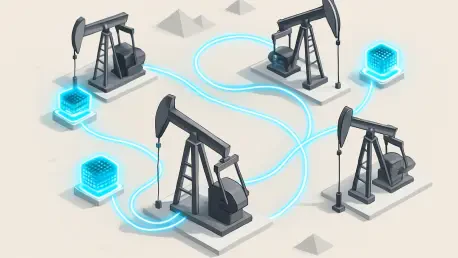
One of the most complex challenges in modern unconventional drilling is the relationship between thousands of individual wells and how they interact within the same geological zone. The APOLO platform utilizes dynamic forecasting to analyze these intricate relationships, examining how specific parameters like well spacing and fluid types impact the long-term performance of an entire asset. This approach moves beyond looking at a single well in isolation and instead treats the entire reservoir as a connected system. By processing these variables at the edge, the system can model the impact of proppant volumes and pressure interference in real-time, allowing for immediate adjustments to the completion strategy. This level of insight is essential for preventing the “bashing” of older wells by new drilling activity, a common issue that can lead to permanent reservoir damage and lost revenue if not managed with extreme technical care through advanced analytics.
This shift in methodology allows for a transition from sequential drilling practices to an iterative process where designs are adjusted in near-real-time to minimize geological uncertainty. As the drilling assembly moves through different rock layers, the edge computing platform constantly recalibrates its projections based on the actual resistance and composition encountered. This iterative feedback loop means that the final completion design of a well might look significantly different from the initial plan, as it has been optimized to reflect the ground truth of the subsurface environment. By maximizing capital efficiency through these minor but frequent adjustments, the organization can extract more value from every foot drilled. This strategy effectively turns the drilling rig into a learning machine that becomes more efficient with every subsequent well, creating a compounding effect on productivity that traditional, centralized data processing methods simply could not match due to time and distance constraints.
Strategic Impacts on Global Asset Management
Transparency: Breaking Down the Analytical Black Box
A significant hurdle in the adoption of artificial intelligence within the energy sector has been the “black box” nature of many predictive models, which often provide results without context. The APOLO framework addresses this issue by emphasizing the democratization of data-driven insights and ensuring that all recommendations are transparent and fully explainable to the human operators. Rather than receiving an opaque output, engineers can observe the specific reasoning and data correlations behind every recommendation the system provides. This transparency builds trust between the digital tools and the technical teams responsible for multi-million-dollar operations. When an engineer understands why a specific fluid volume or proppant concentration is suggested, they are more likely to implement that change effectively, leading to a more collaborative environment where human expertise and machine intelligence work in tandem to solve problems.
Furthermore, this real-time capability is particularly vital for making marginal adjustments in declining basins where the window for error is increasingly narrow. In mature fields, the difference between a profitable well and a financial loss often comes down to very small changes in placement or completion design. By using edge computing to identify these micro-opportunities, the organization can extend the economic life of older assets that might otherwise be deemed non-viable under a traditional analysis. The ability to see the logic behind the data allows for a more nuanced approach to risk management, as technical teams can weigh the platform’s suggestions against their own field experience. This synergy ensures that the technology serves as an enhancement to professional judgment rather than a replacement for it, creating a more resilient operational culture that values both historical knowledge and cutting-edge digital transformation.
Global Scaling: Establishing a New Standard for Resource Development
The successful integration of edge computing in domestic shale plays has provided a blueprint for how real-time analytics can be expanded to international offshore and onshore assets. By moving away from a centralized model, the organization has created a portable intelligence framework that can be deployed anywhere in the world, regardless of the local digital infrastructure. This scalability is a key component of a broader strategy to align capital expenditures across a diverse global portfolio, ensuring that every asset benefits from the same high standard of analytical rigor. Whether a project is located in the deepwater regions of the Gulf of Mexico or in emerging international shale basins, the edge computing framework provides a consistent methodology for optimizing production. This global alignment allows for the rapid transfer of best practices, where an insight discovered in one basin can be instantly integrated into the logic of the platform worldwide.
In the final assessment, the transition toward a decentralized, edge-based analytical strategy proved to be the most effective way to manage the escalating complexity of modern energy production. Engineers and decision-makers focused on expanding this framework to include more predictive maintenance sensors, which further reduced non-productive time across the global fleet. The move to standardized, explainable AI at the wellhead successfully mitigated the risks associated with geological variability and high-volume data streams. Future operations were encouraged to prioritize the integration of these edge platforms into every phase of the asset lifecycle, from initial exploration to final abandonment. By treating real-time data as a core operational asset, the organization secured a significant competitive advantage in an environment where efficiency and capital discipline remained the primary drivers of long-term success in the evolving global energy market.