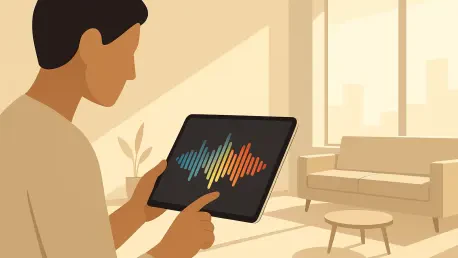

Innovative software like Voiceitt enables users with cerebral palsy to control smart home environments and participate in digital meetings by translating atypical speech into clear audio. This technological evolution marks a definitive departure from the era of static assistive devices, which often required exhaustive physical effort to operate. Today, the focus is on seamless integration where the environment adapts to the person, rather than forcing the individual to struggle against rigid interfaces. This change is particularly vital for those with developmental disabilities who have historically been sidelined in digital spaces. AI-driven solutions are now providing the necessary cognitive and physical scaffolding to ensure that participation in the modern economy is a right rather than a privilege. This empowerment fosters a renewed sense of self-determination, allowing individuals to express complex thoughts and manage their daily schedules with the same fluidity as their neurotypical peers, thus narrowing the gap between potential and opportunity in a connected society.
Transforming Communication via Specialized Machine Learning
For many years, Augmentative and Alternative Communication (AAC) systems relied on slow, manual selections that often hindered the natural flow of conversation. In 2026, however, the landscape changed through the use of predictive modeling that analyzes historical usage, geographic location, and conversational context to anticipate what a user might want to say next. These systems do more than just suggest words; they recognize the specific cadence and phonetic variations unique to an individual’s speech pattern. This allows for a level of conversational speed that was previously impossible, enabling users to engage in rapid-fire debates or casual banter. By reducing the cognitive load required to produce speech, these tools permit the user to focus entirely on the substance of their message. This evolution reflects a broader trend where technology acts as an invisible interpreter, ensuring that a person’s intelligence and personality are never obscured by the physical limitations of their vocal cords or motor control.
Beyond standalone devices, the current integration of AI into mainstream platforms like Microsoft Teams and Google Workspace has created a more inclusive professional environment. When an employee with a developmental disability joins a digital meeting, AI-powered speech recognition software can provide real-time, high-fidelity transcription that clarifies atypical speech for all participants. This technological bridge removes the burden of repetition and the social anxiety often associated with being misunderstood in a group setting. Furthermore, the compatibility of these specialized algorithms with smart assistants like Amazon Alexa means that the same software used for work can also manage a person’s home environment. This continuity across different spheres of life ensures that users have a reliable, singular interface for interacting with the world. By embedding these capabilities directly into the software that everyone uses, the distinction between “assistive tech” and “standard tech” begins to fade, promoting a culture of universal design.
Enhancing Autonomy and Closing the Employment Gap
AI functions as a sophisticated cognitive copilot, specifically designed to help individuals with developmental disabilities navigate the complexities of daily living and professional responsibilities. For those living with autism or other cognitive challenges, the sheer volume of sensory input and organizational demands in a typical day can be overwhelming. Modern AI-driven assistants mitigate this by breaking down complex, multi-step activities—such as preparing a nutritious meal or managing a monthly budget—into manageable, personalized instructions. These systems use generative models to offer real-time guidance that adjusts based on the user’s progress and stress levels, detected through wearable sensors. If a person becomes stuck or anxious during a task, the AI can provide a calming prompt or a simplified alternative step. This level of granular support effectively replaces the need for constant human supervision, allowing individuals to live more independently while their families and caregivers gain peace of mind.
The transition toward a truly inclusive society was accelerated when developers prioritized open-source accessibility protocols, allowing disparate AI systems to communicate seamlessly with one another. This move eliminated the technical silos that previously restricted users to a single ecosystem of devices. Furthermore, policymakers established robust data privacy protections specifically for biometric and vocal data, which built the necessary trust for widespread adoption of these personal AI assistants. The community also integrated neurodiversity training into corporate leadership programs, ensuring that the technological tools were met with a supportive and understanding workplace culture. By focusing on the intersection of ethical engineering and social advocacy, organizations ensured that the benefits of artificial intelligence reached the most marginalized populations first. These strategic decisions transformed the landscape of disability rights, proving that when the right infrastructure was built, the barriers to human potential effectively vanished for everyone.