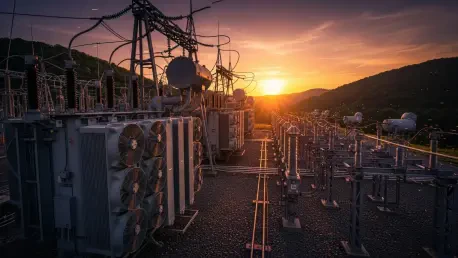

The rapid expansion of hyper-scale data centers across the rural corridors of the Mountain State has triggered a profound debate regarding the trade-offs between immediate economic investment and long-term environmental stewardship. For decades, the rugged terrain of West Virginia served as the backbone of the nation’s energy production through coal mining, but the current shift toward the digital economy presents a new kind of industrial footprint that is far more permanent and resource-intensive. State officials and private developers have fast-tracked several high-profile projects, yet a growing chorus of local advocates and regional planners is calling for a strategic pause to evaluate the true cost of these “digital leviatans.” The legislative environment has largely favored rapid growth, often bypassing the rigorous public discourse necessary to understand how thousands of acres of forest and farmland will be permanently transformed. Without a comprehensive framework for land-use planning, the state risks sacrificing its most unique ecological assets for a sector that provides limited long-term community benefits beyond the initial construction phase.
Socio-Economic Impacts and Job Realities
The Employment Myth: Automation and Labor
While political narratives often frame data centers as the next great frontier for job creation in the region, the reality of the 2026 labor market suggests a much more complicated scenario for the local workforce. Unlike the labor-intensive coal mines or manufacturing plants of the past, modern data facilities are increasingly governed by advanced artificial intelligence and remote management systems that require very few on-site personnel. Once the initial construction surge concludes, these massive structures often operate with a skeleton crew of specialized technicians, many of whom are recruited from out-of-state tech hubs rather than the local communities where the facilities are built. This trend toward total automation means that the promised economic revitalization may never materialize for the average resident, leaving towns with massive industrial shells that contribute little to the local tax base through payroll. The shift toward a digital-first economy necessitates a critical look at whether these projects truly solve the unemployment challenges facing the state or simply occupy space.
The discrepancy between the high-tech image of data centers and the actual number of permanent roles they provide is becoming a central point of contention for local economic boards. By late 2026, industry projections indicate that over seventy percent of routine maintenance and monitoring in these facilities will be handled by autonomous systems, further reducing the need for a human presence on the ground. This evolution turns the data center into a passive consumer of land and electricity rather than an active participant in the community’s social fabric. Furthermore, the specialized nature of the remaining positions often creates a mismatch with the existing skills of the local labor force, necessitating expensive retraining programs that the state may not be prepared to fund. Consequently, the reliance on these facilities as a primary economic driver could lead to a future where West Virginia serves as a mere host for digital infrastructure while the wealth generated by the data flows almost exclusively to out-of-state corporate headquarters and remote investors.
Resource Strain: Water and Energy Demands
The sheer volume of resources required to keep hyper-scale data centers operational is placing an unprecedented strain on the aging utility infrastructure that serves West Virginia’s most vulnerable populations. A single large-scale facility can consume upwards of five million gallons of water every day to manage the heat generated by thousands of servers, a figure that rivals the daily water needs of a medium-sized city. In areas where water security is already a concern due to historical industrial runoff and limited municipal funding, the introduction of a high-consumption neighbor can lead to lowered water tables and increased rates for residential customers. Public utility commissions are now facing the difficult task of balancing the demands of these tech giants with the fundamental rights of citizens to affordable and reliable water services. If the current trajectory of unregulated development continues, the environmental and financial burden of maintaining these resources will fall squarely on the shoulders of local taxpayers.
Beyond the immediate concerns of water usage, the energy requirements of these massive server farms are driving a localized surge in electricity demand that threatens to outpace the state’s transition to renewable energy. To meet the around-the-clock power needs of global tech firms, utilities are often forced to extend the life of older, less efficient power plants or invest in expensive new transmission lines that disrupt the landscape. This increased demand does not just affect the environment; it has a direct impact on the monthly utility bills of West Virginia families who may see their rates rise to subsidize the infrastructure upgrades required by industrial users. The lack of a mandatory requirement for data centers to provide their own dedicated renewable energy sources means that they are essentially competing with residents for a finite supply of power. This competition creates a socio-economic imbalance where the needs of global digital traffic are prioritized over the heating and cooling requirements of the people living in the shadow of these facilities.
Environmental Preservation and National Security
Ecological Integrity: Protecting the Highland Gems
The push to establish West Virginia as a primary hub for digital infrastructure has brought industrial development dangerously close to some of the most sensitive ecological regions in the Eastern United States. Locations near the Canaan Valley and the Monongahela National Forest are increasingly viewed as prime real estate for data centers due to their cooler climates and proximity to existing fiber-optic lines. However, the construction of these facilities involves massive land clearing and the leveling of ridges, which permanently alters the hydrology and biodiversity of the highlands. Unlike other forms of development, the footprint of a data center is remarkably rigid, leaving no room for multi-use land management or future reforestation. The lessons from Northern Virginia’s “Data Center Alley” serve as a stark warning, where once-pristine rural vistas have been replaced by a continuous wall of windowless gray boxes. Protecting the state’s natural beauty is not just an aesthetic concern but a fundamental economic one, as the burgeoning outdoor recreation industry relies on the preservation of these wild spaces.
Preserving the integrity of the Appalachian watershed is another critical factor that necessitates a slower, more deliberate approach to industrial zoning in the mountainous counties. The runoff from massive paved surfaces and the potential for chemical leaks from cooling systems pose a direct threat to the headwaters that supply millions of people downstream. Environmental scientists have noted that the unique karst topography of West Virginia makes the groundwater particularly susceptible to contamination from large-scale construction activities. Once the natural filtration systems of the forest floor are stripped away to make room for server racks, the risk of flash flooding and soil erosion increases significantly. This ecological degradation can have a cascading effect on local ecosystems, endangering rare species and diminishing the quality of life for residents who depend on the land for hunting, fishing, and tourism. The long-term value of a healthy ecosystem far outweighs the temporary influx of capital, yet the current legislative pace often ignores these permanent environmental costs in favor of short-term political gains.
Strategic Risks: Security and Legislative Deliberation
In the contemporary landscape of global conflict, large-scale data centers have become high-value targets for both physical and cyber-attacks, potentially bringing unexpected security risks to previously quiet rural communities. Concentrating a significant portion of the nation’s digital infrastructure in a single geographic area creates a strategic vulnerability that could be exploited in a modern warfare scenario. Residents in the proposed development zones have expressed concern that their homes could become unintended collateral damage in an era where infrastructure is the primary battlefield. This shift in the security profile of the state requires a comprehensive evaluation by national security experts and local law enforcement, yet these considerations are frequently missing from the initial planning stages. A moratorium would provide the necessary time to conduct a thorough risk assessment and ensure that the safety of West Virginia’s citizens is not compromised for the sake of becoming a global data thoroughfare.
The movement toward a legislative pause is gaining momentum as more states recognize the need to reclaim control over their geography from the unchecked expansion of the tech industry. By 2026, several neighboring jurisdictions began implementing stricter oversight measures to ensure that any new data center construction aligns with long-term sustainability goals and public sentiment. West Virginia currently has the advantage of observing these regional developments and can choose to leverage its position to demand better terms from developers. Instead of competing in a “race to the bottom” by offering the most deregulation, the state can establish itself as a leader in responsible development by prioritizing the needs of its communities. Implementing a temporary halt on new permits would allow for the creation of a sophisticated regulatory framework that mandates water recycling, energy independence, and significant community reinvestment. Taking the time to deliberate now will prevent the state from becoming a permanent serf to a digital economy that offers little in return for the destruction of its heritage and resources.
Strategic Realignment for Future Growth
The rapid expansion of the data center industry in West Virginia has historically outpaced the state’s regulatory ability to protect its residents and natural assets. Legislators previously moved with haste to attract tech investment, yet the realized benefits often failed to match the initial projections regarding job creation and economic stability. To rectify this imbalance, the state should transition toward a model of “Precision Zoning” that restricts hyper-scale facilities to previously industrialized brownfield sites rather than pristine mountain ridges. Moving forward, any new project approval must be contingent upon the developer providing a dedicated, self-contained water treatment facility and a localized microgrid powered by renewable sources. These requirements shifted the burden of infrastructure costs back onto the profitable corporations that benefit from the state’s geography. By adopting these targeted strategies, West Virginia ensured that its participation in the digital age did not come at the cost of its environmental integrity or the financial security of its citizens.