
The chasm between operational preparedness and vulnerability in the face of global disruption has never been starker, with research revealing that while 98% of organizations with mature AI feel equipped for the next crisis, a staggering 0% of those without AI plans feel the same. This dramatic disparity signals a fundamental inflection point for enterprise functions, particularly procurement, forcing a critical evaluation of technological adoption and strategic readiness in an increasingly volatile world. The question is no longer about if artificial intelligence will reshape procurement, but how teams must adapt to its integration to survive and thrive. Where does your team stand on this spectrum of resilience?
The Shift from Back Office to Strategic Cornerstone
Procurement’s evolution from a transactional, cost-focused department to a strategic driver of enterprise resilience is now fully realized. This transformation is fueled by the necessity to navigate complex supply chains, mitigate geopolitical risks, and respond to regulatory shifts with unprecedented agility. Instead of being relegated to processing purchase orders, procurement leaders are now central to C-suite conversations, providing critical insights that inform long-term business strategy and protect the organization from unforeseen shocks. This elevated role demands a new operating model, one that leverages technology to move beyond reactive problem-solving.
The mandate for procurement has expanded significantly, moving beyond simple transactional work to encompass a broader mission of driving enterprise-wide resilience. In this new paradigm, professionals are tasked with orchestrating complex supplier ecosystems, championing sustainability initiatives, and proactively identifying vulnerabilities before they escalate into full-blown crises. According to recent Ivalua research, 60% of procurement leaders recognize that AI is the key to this transformation, allowing them to offload repetitive tasks and dedicate their expertise to high-value activities like strategic supplier collaboration and innovative risk management. This shift empowers teams to become architects of a more robust and adaptable enterprise.
A New Class of Colleague What AI Agents Bring to the Table
A new category of digital workforce is entering the procurement landscape, and it is crucial to distinguish these autonomous agents from earlier forms of automation. Unlike chatbots or simple scripts that follow predefined rules or generate responses, AI agents are designed with the capacity to independently reason, plan, and execute complex, multi-step tasks across disparate systems. They function less like a tool and more like a colleague, capable of understanding context, making informed decisions, and interacting with enterprise software to complete entire workflows without constant human intervention.
These agents derive their power from core capabilities that mimic human cognitive processes. They can analyze a request, break it down into logical sub-tasks, develop a strategic plan, and then execute that plan by interfacing with various applications, from ERPs to supplier portals. This autonomy allows them to handle intricate processes that were previously the sole domain of human experts. For instance, an AI agent can manage the entire lifecycle of tail spend sourcing—from identifying a need and vetting suppliers to negotiating terms and finalizing a contract—all while ensuring strict adherence to internal compliance protocols. This frees up human talent to focus on more strategic negotiations and relationship management.
The Data-Driven Mandate for Success
The immense potential of AI agents can only be realized when they are built upon a solid and reliable data foundation. A unified, single source of truth is not merely a technical preference but an absolute prerequisite for success. Without clean, consolidated, and accessible data, AI agents cannot gain the comprehensive visibility needed to make intelligent decisions. A fragmented data environment, where information is scattered across siloed spreadsheets and legacy systems, effectively blinds both human teams and their AI counterparts, making it impossible to react swiftly to critical events like supplier disruptions or sudden regulatory changes.
Attempting to layer sophisticated AI onto a fractured data architecture is a recipe for failure, creating a scenario best described as “garbage in, gospel out.” In this situation, the AI agent, despite its advanced reasoning capabilities, will only amplify existing inaccuracies and inconsistencies, leading to flawed recommendations and costly operational errors. The integrity of the output is wholly dependent on the quality of the input. Therefore, organizations must prioritize the creation of a centralized data repository before deploying autonomous agents, ensuring the information they use to reason and act is accurate, timely, and complete.
Building the Human-Agent Partnership
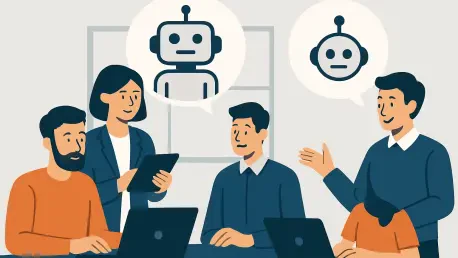
The integration of AI agents fundamentally redefines the structure of procurement workflows, necessitating a hybrid model where human expertise and machine efficiency operate in concert. In this collaborative framework, autonomous agents are assigned the high-volume, repetitive tasks that consume significant time but require minimal strategic input, such as processing invoices, conducting routine compliance checks, and managing standard approvals. This division of labor liberates procurement professionals to concentrate on areas where their skills are most valuable: managing complex negotiations, handling exceptions, and cultivating strategic supplier relationships that drive long-term value and innovation.
Architecting this future-state operating model expands the responsibilities of the Chief Information Officer beyond traditional technology management. The CIO is now tasked with designing the sophisticated data and integration frameworks that allow human-agent workflows to function seamlessly and securely. This includes establishing robust governance protocols for data privacy, ensuring ethical AI use, and building the technical bridges between different enterprise systems. The CIO’s role evolves into that of an enabler of intelligent operations, creating the technological backbone that supports this new, more agile procurement function.
A Strategic Alliance to Embed Intelligence
The successful embedding of AI into procurement hinges on an unshakeable partnership between the Chief Information Officer (CIO) and the Chief Procurement Officer (CPO). This strategic alliance is essential for aligning technological capabilities with business objectives, ensuring that AI solutions are not just implemented but are deeply integrated into core processes to drive measurable outcomes. The CPO brings the domain expertise and understanding of procurement’s strategic needs, while the CIO provides the technical vision and architectural oversight required to build a scalable and secure AI-powered ecosystem. Together, they can co-create a roadmap that transforms procurement from a cost center into a powerful engine of enterprise intelligence and resilience.
This collaboration moves the organization beyond pilots and proofs-of-concept toward a state of embedded intelligence, where AI-driven insights and autonomous execution become standard operating procedure. By working in lockstep, the CIO and CPO can champion the necessary cultural shifts, secure executive buy-in, and oversee the development of hybrid workflows that optimize both human and machine contributions. The result of this forged partnership was a procurement function that not only managed spend more effectively but also provided the entire organization with the strategic foresight needed to navigate an unpredictable global landscape with confidence.