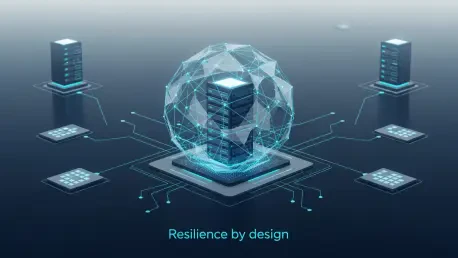

The rapid transition of generative artificial intelligence from a niche experimental tool into a foundational element of enterprise production has revealed significant vulnerabilities within traditional data protection frameworks. As organizations move beyond initial pilot programs and start embedding sophisticated models into their core operations, the volume and sensitivity of the data being processed have reached unprecedented levels. This surge necessitates a paradigm shift from reactive security measures to a proactive architecture where resilience is an inherent characteristic rather than an afterthought. The strategic alliance between Veeam Software and Hewlett Packard Enterprise serves as a critical response to this evolution, merging robust data management with high-performance infrastructure to create a secure environment for private cloud deployments. By prioritizing a “Data Resilience by Design” philosophy, these industry leaders are equipping businesses with the necessary tools to safeguard their most valuable digital assets against emerging cyber threats and operational failures.
Implementing Validated Designs: The Turnkey AI Factory
A cornerstone of this technological integration is the development of validated designs for HPE Private Cloud AI, a comprehensive turnkey solution often referred to as an “AI factory.” Created in close collaboration with NVIDIA, this infrastructure combines a unified data lakehouse and a secure software workbench with the advanced capabilities of the Veeam Data Platform and Veeam Kasten. These elements function in tandem to ensure that critical data remains accessible and protected throughout the entire development cycle, from initial training to inference. By supporting both traditional virtualized workloads and modern containerized applications, the architecture provides a versatile foundation that adapts as organizational needs scale. The focus here is on creating a predictable and reliable environment where engineers can deploy models without fearing data loss or unexpected downtime. This level of technical synergy reduces the friction typically found when bridging the gap between legacy storage systems and modern, GPU-intensive computing requirements.
Beyond basic hardware integration, the partnership emphasizes a secure data ingestion process that is vital for the integrity of artificial intelligence pipelines. As enterprises move toward sophisticated agentic AI systems that operate autonomously, the necessity for a verifiable and clean data source becomes paramount to prevent the propagation of errors or biased outcomes. The co-engineered solution provides stringent controls over how data is prepared, stored, and utilized, ensuring that companies can maintain high ethical standards and satisfy rigorous global data sovereignty mandates. By embedding protection directly into the storage and compute layers, organizations are able to mitigate the risks associated with unauthorized data manipulation or corruption. This approach allows for a more robust governance model that scales alongside the AI infrastructure, providing a sense of confidence that the underlying data remains untainted. Consequently, businesses can focus on innovation and performance without sacrificing the security or privacy of their sensitive intellectual property.
Accelerating Adoption: Standardized Migration and Operational Agility
To simplify the deployment of these sophisticated technologies, the alliance has introduced standardized, partner-ready packaging that includes comprehensive sizing tools and smart templates. These resources are specifically tailored for the HPE Private Cloud PC3000, which is seamlessly integrated with HPE Morpheus Software VM Essentials to provide a cohesive management experience. By offering a repeatable blueprint for infrastructure, Veeam and HPE have significantly reduced the administrative overhead and complexity typically associated with building custom private cloud footprints from the ground up. This standardized approach allows IT teams to move quickly from the planning phase to full operational status, ensuring that the infrastructure is ready to support intensive AI workloads in a fraction of the usual time. The use of pre-validated templates also minimizes the risk of configuration errors that could lead to security vulnerabilities or performance bottlenecks. As a result, enterprises can achieve a faster return on investment while maintaining a high level of technical consistency across their various distributed environments.
The collaboration also addresses the ongoing shift in the virtualization landscape by providing a clear and supported path for organizations seeking to modernize their legacy environments. Many businesses are currently transitioning virtual machines from traditional platforms like vSphere to the HPE Morpheus environment to gain better flexibility and cost-efficiency. To support this movement, Veeam has introduced practical migration guides and specialized tools that assist in moving business-critical data without the risk of loss or prolonged downtime during the transition process. This strategic focus ensures that as companies update their private cloud strategies, they do not lose the ability to recover data or maintain business continuity in the event of an outage. By simplifying the migration path, the partnership enables organizations to adopt more modern, AI-ready infrastructure without being tethered to outdated systems or restrictive licensing models. This operational agility is crucial for maintaining a competitive edge in a market where the ability to rapidly pivot and scale resources is a primary driver of success.
Evaluating Maturity: Intelligence Layers and Strategic Next Steps
Central to the technical synergy of this partnership is the Veeam DataAI Command Platform, which functions as a centralized intelligence layer for managing security, privacy, and compliance across the hybrid cloud. This platform enables organizations to oversee their entire data estate through a single interface, providing deep visibility into potential threats and ensuring that all regulatory requirements are being met consistently. To help enterprise leaders gauge their progress and identify areas for improvement, the partnership introduced a Data and AI Trust Maturity Model. This framework evaluates an organization’s infrastructure across four critical pillars: visibility, security, resilience, and the ability to leverage data for tangible business outcomes. By utilizing this model, IT departments can establish a clear roadmap for moving from basic data handling to an advanced state of intelligence where autonomous systems can operate on a foundation of absolute trust. This structured approach helps bridge the gap between technical execution and high-level strategic goals, ensuring that every investment in AI is backed by a resilient data foundation.
The strategic collaboration between HPE and Veeam successfully established a comprehensive framework for navigating the complexities of the modern artificial intelligence landscape. By integrating data resilience directly into the core of private cloud infrastructure, the alliance provided a clear path for organizations to transition from experimental models to secure production environments. Leaders who prioritized these integrated designs moved closer to achieving a fully autonomous and trustworthy data ecosystem. To maintain this momentum, it was essential for organizations to conduct thorough audits of their existing data protection strategies to ensure alignment with high-performance AI demands. It was also beneficial to adopt unified intelligence layers that centralized compliance and security monitoring across all distributed workloads. Furthermore, the integration of data protection early in the infrastructure design phase proved essential for maintaining long-term operational continuity. Those who succeeded utilized standardized templates to accelerate deployment while maintaining the strict governance necessary for modern regulatory landscapes.