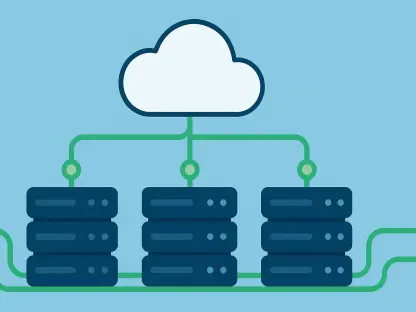

Success in the global race for artificial intelligence dominance is no longer determined by the complexity of a neural network’s architecture but by the integrity of the underlying data pipelines feeding it. While the initial wave of excitement surrounding generative AI focused on the creative capabilities of large language models, the conversation has shifted toward the grueling reality of data preparation. Organizations are discovering that even the most expensive AI subscriptions are essentially hollow without a robust, unified source of truth. This realization has catapulted the data lakehouse from a specialized technical architecture into the strategic center of the modern enterprise, providing the necessary plumbing to turn experimental chatbots into powerful business assets.
The emergence of the lakehouse represents a fundamental shift in how intelligence is manufactured within a corporate environment. In previous years, data was often scattered, making it nearly impossible for an AI agent to provide accurate answers about specific business operations. By unifying these disparate information streams, the lakehouse serves as the “brain” for the enterprise, offering a structured yet flexible environment where raw information becomes high-quality training material. This structural evolution is now the primary differentiator between companies that merely talk about AI and those that successfully deploy it to achieve measurable returns on investment.
The High Stakes of Data Quality in the Competitive AI Landscape
The current era of artificial intelligence is defined by a hard truth: a model is only as intelligent as the data it consumes. Enterprises that rushed to implement generative AI solutions without addressing their internal data chaos quickly found themselves facing “hallucinations” and irrelevant outputs. For a model to provide meaningful insights into supply chain efficiency or customer sentiment, it must have access to clean, high-fidelity data that reflects the specific nuances of the organization. The data lakehouse provides this reliability by enforcing strict quality standards and governance protocols, ensuring that the information used by AI systems is accurate, timely, and secure.
Moreover, the competitive pressure to innovate at high speeds has made data accessibility a top priority for executives across all sectors. Relying on outdated or fragmented data systems creates a significant lag, preventing organizations from responding to market shifts in real-time. By implementing a lakehouse architecture, companies can establish a central repository that serves both human analysts and automated AI agents simultaneously. This democratization of high-quality data ensures that every department, from marketing to product development, is working from the same foundation, effectively eliminating the confusion caused by conflicting reports and siloed information.
Breaking Down the Historical Divide Between Data Warehouses and Lakes
For decades, the technology industry was trapped in a binary choice between two fundamentally different ways of storing information. Data warehouses were the gold standard for structured data, offering high-performance queries for business intelligence but requiring rigid, pre-defined schemas that were expensive to maintain. On the other hand, data lakes offered a cheap way to dump massive amounts of raw, unstructured data, yet they often lacked the organization and speed required for production-level analysis. This separation forced businesses to move data constantly between the two systems, a process known as ETL (Extract, Transform, Load) that was prone to errors, delays, and excessive costs.
The lakehouse architecture successfully dismantles this traditional barrier by merging the best attributes of both worlds into a single platform. It utilizes the low-cost storage and versatility of a data lake while layering on the transaction support and schema enforcement of a data warehouse. This consolidation means that data scientists no longer have to wait for weeks for engineers to move information into a warehouse for analysis; the data is already there, ready to be queried. By removing these artificial bottlenecks, the lakehouse streamlines the path from raw information to actionable intelligence, providing a more agile environment that can support the rapid iteration cycles required for modern AI development.
Leveraging Open Standards to Prevent Vendor Lock-In and Streamline Access
A critical turning point in the evolution of data architecture is the widespread move toward open table standards, such as Apache Iceberg. Historically, many organizations found themselves locked into proprietary formats that made it difficult and expensive to switch vendors or use different tools for specific tasks. The industry is now seeing a significant pivot, as major players and cloud providers embrace these open standards to ensure that data remains portable. This shift places control back into the hands of the enterprise, allowing them to choose the best-of-breed tools for AI, analytics, and security without the fear of being trapped in a single ecosystem.
Furthermore, these open standards facilitate a level of interoperability that was previously impossible. When data is stored in a standardized, open format, multiple applications can access the same data files simultaneously without the need for duplication. This “zero-copy” approach is transformative for companies looking to integrate diverse AI services and third-party platforms. It allows a business to feed its data into an AI model from one provider while using a different analytics engine for reporting, all without moving a single byte of information. This efficiency is vital for maintaining a lean tech stack and ensuring that the enterprise can adapt as new AI technologies emerge.
Turning Raw Data into Actionable Context for Generative AI and RAG
Generative AI has acted as the ultimate catalyst for lakehouse adoption because large language models require deep, real-world context to be useful in a professional setting. To overcome the limitations of pre-trained models, organizations are increasingly using Retrieval-Augmented Generation (RAG). This technique allows an AI to look up specific, relevant documents or data points from an internal lakehouse before generating a response. By housing both raw text and the high-dimensional vector embeddings required for these searches, the lakehouse acts as a long-term memory for AI agents, grounding their responses in the specific reality of the business.
Beyond simple retrieval, the lakehouse enables a more intuitive way for employees to interact with corporate information. Instead of relying on specialized technical teams to write complex SQL queries, business users can now use natural language interfaces to ask questions of their data. This shift effectively turns the data lakehouse into a conversational partner. When a user asks a question about regional sales performance or inventory levels, the AI can traverse the lakehouse, synthesize the relevant data, and provide an answer in seconds. This democratization of insight accelerates decision-making and ensures that the power of data is accessible to every level of the organization.
Lessons from the Field: How Global Enterprises are Scaling Their Data Operations
Real-world applications of the lakehouse model demonstrate its profound impact on operational efficiency and innovation. In the gaming industry, Sega Europe transitioned to this architecture to handle the massive streams of telemetry data generated by millions of players. Traditional warehouses struggled with the sheer volume and the unstructured nature of social media feeds and player behavior logs. By adopting a lakehouse, the company gained the ability to process and analyze this data in real-time, allowing them to adjust game balance and improve player engagement with a precision that was previously unattainable.
In the high-stakes world of life sciences, organizations like IQVIA have utilized the lakehouse to manage complex clinical trial data under intense pressure. During the global pandemic, the need to ingest and analyze diverse data types—ranging from medical imaging to patient records—while maintaining strict regulatory compliance was paramount. The flexible nature of the lakehouse allowed for the rapid ingestion of these disparate formats, providing a secure and governed environment that ensured trial integrity. These examples highlight a broader trend: as the market for these platforms continues to grow, projected to reach over $27 billion by the end of the decade, the lakehouse is becoming the universal standard for data-intensive industries.
A Roadmap for Consolidating Fragmented Silos into a Future-Proof Architecture
Transitioning to a lakehouse architecture required a disciplined strategy for liberating data from legacy systems and the aftermath of corporate acquisitions. Successful organizations focused on centralizing their most valuable information assets into a single platform while maintaining rigorous security controls. This process involved not just a change in technology, but a shift in culture, as departments moved away from hoarding local spreadsheets toward a model of shared, governed data access. The resulting architecture was more than just a storage solution; it was a resilient foundation capable of supporting both current reporting needs and the future demands of autonomous AI agents.
Looking back, the adoption of the data lakehouse was a defining moment for enterprises seeking to thrive in a competitive landscape. While newer concepts like the “data fabric” emerged to offer decentralized connectivity, the lakehouse remained the preferred choice for those needing high-performance centralization. It provided the stability and speed necessary to fuel the next generation of business operations, ensuring that the vast amounts of raw data generated every day were converted into a tangible strategic advantage. By prioritizing this foundation, leaders ensured that their AI initiatives were built on solid ground, allowing their organizations to move beyond experimentation and into a new era of data-driven intelligence.