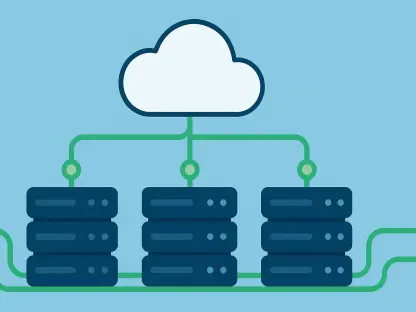

The persistent tension between the computational demands of generative AI and the stringent requirements of data privacy has reached a critical juncture in modern enterprise architecture. As organizations strive to deploy sophisticated models, they often face a binary choice: sacrifice the speed and cost-effectiveness of local execution or compromise security by offloading sensitive information to remote cloud providers. This dilemma is particularly acute for sectors operating in disconnected or highly regulated environments where data sovereignty is not just a preference but a legal mandate. The introduction of Actian VectorAI DB represents a fundamental shift in this landscape, providing a specialized vector database designed to reside exactly where the data is generated. By enabling production-grade intelligence at the edge, this solution ensures that critical insights are derived without moving a single byte of confidential information into an external ecosystem, effectively closing the security gaps that have hindered widespread AI adoption in decentralized systems.
Breaking the Dependency on Cloud Infrastructure
High-performance portability is the defining characteristic of this new architectural framework, allowing intensive query volumes to be managed locally on relatively modest hardware. Traditionally, the vector search operations required for retrieval-augmented generation were restricted to robust server farms, but the landscape is shifting toward smaller, more versatile devices. Now, hardware such as the Raspberry Pi and NVIDIA Jetson can support complex AI workloads with minimal latency, transforming how devices interact with their environment in real time. This local processing capability is essential for autonomous systems in manufacturing and remote monitoring where even a millisecond of network delay can result in operational failure. By optimizing the database engine for low-resource environments, the technology democratizes access to advanced AI, ensuring that intelligence is no longer gated by high-bandwidth internet connections or massive capital investments in centralized data centers.
Beyond hardware flexibility, the system introduces a unified “build once, deploy anywhere” methodology that simplifies the developer experience across diverse technical stacks. Through consistent APIs and a shared architecture, engineers can transition applications from a testing environment on a laptop to a sprawling edge network without the need for extensive code refactoring. This multimodal approach allows for the simultaneous processing of varied data formats, including text, high-resolution images, audio files, and complex documents, within a single, cohesive framework. Such versatility is vital for modern applications that require a holistic understanding of their surroundings, such as integrated security systems or automated medical diagnostic tools. By streamlining the integration of disparate data types into localized vector embeddings, the platform reduces the friction associated with scaling AI solutions, allowing teams to focus on refining their models rather than managing the complexities of underlying infrastructure.
Securing Sensitive Data in Regulated Environments
Data governance serves as the foundation for the strategic positioning of this database within industries where privacy is non-negotiable. In the healthcare sector, the ability to process patient records locally ensures that sensitive medical histories remain within the walls of the clinic while still benefiting from AI-driven diagnostic assistance. Similarly, financial institutions can leverage these tools for real-time fraud detection without transmitting transaction details across public networks, thereby maintaining the highest standards of client confidentiality. The inclusion of enterprise-grade security features, such as AES-256 encryption and customer-managed API keys, provides a multi-layered defense mechanism against unauthorized access. By adhering to global compliance standards like GDPR, HIPAA, and SOC 2 Type II, the technology offers a clear path for government agencies and defense contractors to implement AI within classified or air-gapped environments.
The transition toward localized AI infrastructure demonstrated that organizations could achieve high-performance results without sacrificing their commitment to data sovereignty. As developers explored the Community Edition and engaged with the initial trials, the focus moved toward practical implementation strategies that integrated vector search into existing legacy systems. Moving forward, stakeholders should prioritize a thorough audit of their current data residency requirements to identify high-risk areas where edge AI can provide the most immediate security benefits. Investing in hardware that supports specialized vector processing was a necessary step for those looking to protect their operations against evolving regulatory landscapes. The most successful implementations were those that treated data ownership as a competitive advantage, using the portable nature of the database to create resilient, private AI ecosystems. By adopting these decentralized tools, teams solidified their ability to innovate securely.