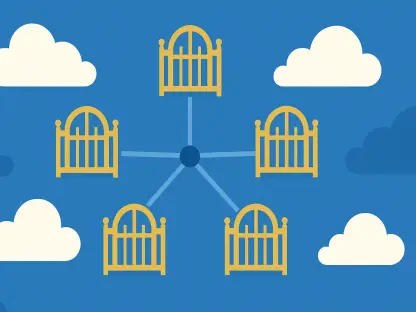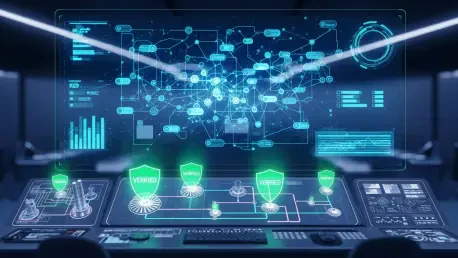

The historical reliance on physical isolation for industrial control systems has crumbled as digital connectivity permeates every layer of the nation’s critical infrastructure. Consequently, a coalition of major federal agencies, including the FBI and the Department of Energy, has introduced a strategic framework designed to move beyond traditional perimeter defenses. This transition toward a zero-trust model acknowledges that the old “air-gapped” strategy is no longer a viable shield against modern cyber threats.
The objective of this analysis is to explore how these agencies intend to harden the systems that manage power, water, and essential public services through continuous verification and data-centric security. Readers can expect to learn about the complexities of applying these principles to legacy environments and the necessity of unified organizational governance. The scope of the content covers technical controls, supply-chain management, and the cultural shifts required for successful implementation.
Key Questions: Modernizing Industrial Defenses
Why Is Zero Trust Specifically Challenging for Operational Technology Environments?
Industrial systems operate under constraints that are fundamentally different from typical corporate information technology networks, where a brief reboot or update might be a minor inconvenience. In an operational technology setting, systems must maintain absolute availability to ensure physical safety and service continuity. Applying zero-trust principles, such as strict identity verification and constant monitoring, requires a delicate balance to avoid disrupting critical physical processes like power generation or chemical refining.
Furthermore, many of these environments rely on equipment designed decades ago, long before modern security protocols existed. These legacy components often lack the processing power to support encrypted communications or contemporary authentication methods. As a result, implementing a zero-trust architecture involves more than just software updates; it requires a sophisticated understanding of how digital security measures interact with high-stakes physical machinery.
How Do the New Guidelines Address the Limitations of Legacy Industrial Hardware?
Recognizing that many utilities and manufacturers cannot simply replace millions of dollars in legacy equipment overnight, the federal guidance introduces the concept of compensating controls. These are overlapping security layers that provide protection when a primary security tool, such as endpoint detection and response, cannot be installed directly on a device. By surrounding vulnerable hardware with micro-segmentation and rigorous network monitoring, operators can still achieve a zero-trust posture without requiring an immediate hardware overhaul.
This approach emphasizes the use of Software Bills of Materials to track every component within the supply chain, allowing for better risk management of older assets. Instead of trusting a device because it sits inside a secure facility, every data flow is analyzed and authorized based on the current context. This shift ensures that even if an adversary gains access to a single legacy sensor, they are prevented from moving laterally through the rest of the network.
What Role Does Organizational Governance Play in Securing Critical Infrastructure?
Technical solutions are only one piece of the puzzle, as the agencies argue that a culture of shared accountability is essential for a successful security transformation. Historically, information technology and operational technology departments have functioned in separate silos with different priorities and languages. The new framework demands that these groups merge their expertise, fostering a unified strategy that addresses both digital threats and physical operational requirements.
Robust governance involves more than just setting policies; it requires a commitment to continuous asset discovery and active participation from leadership. By breaking down internal barriers, organizations can ensure that security is not viewed as an obstacle to production but as a fundamental component of reliability. This unified culture allows for faster incident response and a more resilient defense against the increasingly sophisticated tactics used by global threat actors targeting national infrastructure.
Summary or Recap
The guidance provided by federal authorities offers a comprehensive roadmap for securing the backbone of the nation’s economy. By moving toward a model of constant verification and granular control, critical infrastructure owners can significantly increase the cost and difficulty for attackers attempting to disrupt essential services. The focus on compensating controls and cross-departmental collaboration provides a realistic path forward for industries burdened by aging hardware but facing modern digital risks.
This evolution represents a shift toward a proactive defense that prioritizes resilience over simple perimeter protection. Stakeholders are encouraged to review the full technical specifications to identify the specific compensating controls that best fit their unique operational requirements. For deeper exploration, industry-specific supplements and risk assessment tools are available to help bridge the gap between abstract policy and practical implementation on the factory floor.
Conclusion or Final Thoughts
The shift toward zero trust provided a necessary foundation for the long-term survival of industrial networks in an increasingly hostile digital environment. Leaders who embraced these guidelines recognized that the era of implicit trust had ended, replaced by a rigorous commitment to transparency and defense-in-depth. This strategic pivot transformed how essential services were guarded, ensuring that security protocols evolved at the same pace as the threats they were designed to stop.
Looking ahead, organizations should consider how these principles can be integrated into future procurement cycles and workforce development programs. The focus eventually moved toward maintaining this posture through automated verification and a relentless dedication to visibility across all operational layers. By treating security as a continuous process rather than a one-time project, the community built a more robust and reliable infrastructure for the benefit of the entire public.