
The realization that a modern military can be defeated not by superior firepower but by a simple lack of fuel or ammunition has forced a radical reimagining of how the United States Army sustains its forces in the field. As of 2026, the era of operating from secure, stationary logistics hubs has effectively ended, replaced by a reality where every supply line is a potential target and every movement is tracked by persistent enemy surveillance. In high-stakes regions such as the Indo-Pacific, the “tyranny of distance” is no longer the only obstacle; the emergence of sophisticated anti-access/area-denial (A2/AD) capabilities means that traditional resupply methods are now dangerously vulnerable. To address these challenges, military planners have turned to a combination of autonomous systems, advanced robotics, and AI-powered predictive analytics, collectively known as the “Technology Trifecta.” This integrated approach aims to transform logistics from a heavy, slow-moving vulnerability into a sleek, proactive strategic advantage that ensures combat units remain lethal even when isolated in the most contested environments on the planet.
The urgency of this transition is underscored by the tactical nightmare of units becoming cut off by a “hornet’s nest” of enemy drones and long-range sensors. In such scenarios, a standard airdrop or a conventional landing craft would be intercepted and destroyed before reaching its destination, leaving frontline troops without the resources needed to hold their ground. However, by employing a coordinated “symphony” of unmanned systems, the Army can bridge these gaps without risking human lives. This evolution represents a fundamental shift in doctrine, where sustainment is no longer a secondary, background task but a frontline necessity that must be as agile and resilient as the maneuver forces it supports. The integration of these three pillars allows for a distributed and survivable network that can thread through enemy defenses, delivering critical medical kits, ammunition, or water to dispersed teams. By embracing this machine-based model, the military can maintain operational tempo in the face of unprecedented transparency and lethality, ensuring that the “sinews of supply” are never severed.
The Strategic Shift: Transitioning to Contested Logistics Environments
For the past two decades, the United States military operated with the luxury of near-total domain superiority, allowing logistics units to establish massive, centralized supply nodes that were largely unthreatened by insurgent forces. However, the current landscape of Large-Scale Combat Operations (LSCO) has shattered that paradigm, revealing that even the most powerful military force can reach a point of culmination if its supply lines are targeted by a peer adversary. Recent global conflicts have provided a stark and brutal reminder of this reality, where long columns of armored vehicles were stalled and destroyed due to mechanical failures and fuel shortages. The lesson is clear: the “safe rear area” is a relic of the past, and in a conflict against a technologically advanced opponent, every link in the supply chain—from domestic production facilities to the forward line of troops—is a lucrative target for long-range precision strikes and cyber interference.
This newfound transparency of the battlefield, enabled by an endless stream of satellite imagery and high-altitude drones, means that any large-footprint logistics hub is essentially a beacon for enemy fire. Consequently, the Army’s Multidomain Operations (MDO) doctrine now hinges on the ability of the sustainment enterprise to operate under constant threat while remaining mobile and dispersed. If the logistics network fails to adapt, maneuver forces will inevitably run out of the food, fuel, and munitions required to achieve their objectives, leading to operational paralysis. The challenge lies in creating a system that is robust enough to survive initial strikes and flexible enough to reform and continue deliveries in real-time. This necessitates a move away from static, “just-in-case” stockpiling toward a more dynamic, “just-in-time” model that utilizes advanced technology to hide, protect, and efficiently distribute the resources necessary for modern warfare.
Pillar I: Autonomous Systems for High-Risk Resupply Operations
The deployment of autonomous systems across land, sea, and air represents the first critical pillar of the Technology Trifecta, specifically designed to remove human soldiers from the most hazardous and repetitive logistics missions. By utilizing unmanned platforms, commanders can fundamentally change their risk calculus, authorizing high-stakes resupply runs into contested zones that would be deemed too suicidal for crewed vehicles. On the ground, the Autonomous Transport Vehicle System (ATV-S) is a primary example of this shift, as it retrofits standard logistics trucks with autonomy suites that allow for driverless convoys. This capability not only protects personnel from ambushes and improvised explosive devices but also increases the potential throughput of divisional truck companies by 50 percent. These autonomous convoys can navigate complex, unpredictable routes while maintaining a continuous flow of supplies to dispersed units, ensuring that the maneuver force never loses its momentum.
In the maritime and aerial domains, autonomy provides the stealth and persistence required to bypass enemy radar and coastal defenses in regions like the Indo-Pacific. The Army is currently investing in retrofitting legacy airframes, such as the UH-60L Black Hawk, with autonomy kits that enable 24/7 flight operations even in environments where communications or GPS signals are actively denied. Additionally, low-profile, semi-submersible autonomous vessels are being developed to transport heavy munitions, such as Patriot missile canisters, across vast stretches of water without alerting enemy coastal sensors. These “shadows on the waves” offer a discreet means of replenishment that is virtually impossible for an adversary to detect and intercept effectively. By creating a distributed network of smaller, uncrewed platforms, the military can swarm the battlefield with supplies, making it statistically unlikely that an enemy can disrupt the entire chain of sustainment with localized strikes.
Pillar II: Advanced Robotics and Point-of-Need Manufacturing Solutions
While autonomous systems focus on the movement of goods, advanced robotics are being integrated to handle the physical labor and management of supplies at the tactical edge. One of the most significant challenges for modern infantry is the immense physical burden of carrying gear that often exceeds sixty pounds, leading to rapid physical exhaustion and reduced combat effectiveness. To alleviate this, the military is increasingly utilizing robotic quadrupeds, such as the Ghost Robotics Vision 60, which serve as “automated pack mules” capable of traversing rugged and uneven terrain that traditional wheeled vehicles cannot manage. These robots carry essential rations, water, and extra ammunition directly to the individual soldier in the field, allowing the human force to focus on the mission rather than the weight on their backs. This integration of robotics into small-unit tactics ensures that the infantry remains agile and responsive during prolonged engagements.
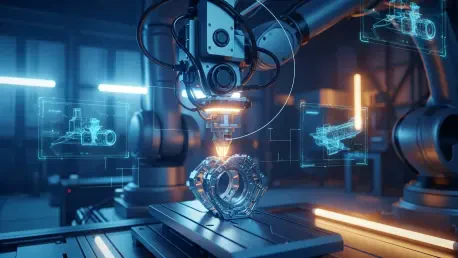
Beyond the front lines, robotics and intelligent automation are revolutionizing sustainment nodes through warehouse automation and the expansion of additive manufacturing. Borrowing heavily from the commercial sector, the Army is adapting sophisticated robots for the sorting, packing, and dispatching of materials, which significantly accelerates the speed of operations and reduces the potential for human error. Perhaps even more transformative is the implementation of 3D-printing technologies at the point of need, which allows units to produce critical repair parts on-demand in the middle of a conflict zone. This “just-in-time” production capability drastically reduces the Army’s reliance on long and vulnerable supply lines, as a broken part can be replaced in hours rather than waiting weeks for a delivery from a distant depot. By shifting the focus from transporting physical objects to transmitting digital blueprints, the military can maintain a much higher level of equipment readiness while keeping its logistics footprint small and mobile.
Pillar III: Predictive Analytics as the Intellectual Backbone of Logistics
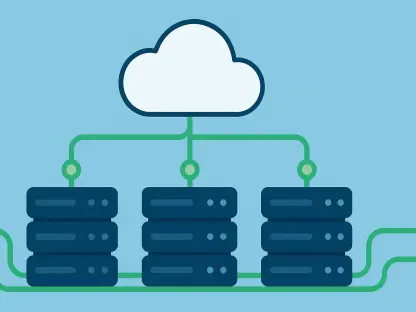
The third and perhaps most vital pillar of the Technology Trifecta is AI-powered predictive analytics, which serves as the “brain” of the entire sustainment enterprise. In an era where every sensor and drone generates massive amounts of data, the ability to translate that information into actionable intelligence is what will ultimately distinguish victory from defeat. Predictive analytics allow the military to move away from the legacy “just-in-case” model, which relied on massive and vulnerable stockpiles of equipment, and move toward a “just-in-time and just-enough” approach. By utilizing AI algorithms to analyze historical consumption patterns, current fuel levels, and real-time mission parameters, the Army can accurately forecast what a unit will need before the soldiers even realize they are running low. This foresight allows for the proactive dispatch of supplies, ensuring that the right resources arrive exactly when and where they are needed most.
Furthermore, predictive analytics enable the creation of a “self-healing” supply network that can adapt to emerging threats on the fly without requiring constant human intervention. AI can manage entire fleets of autonomous vehicles, automatically rerouting them if a specific path is compromised by enemy activity or environmental hazards. It also plays a crucial role in equipment maintenance by monitoring the “health” of vehicles and weapon systems through integrated sensors. By identifying potential mechanical failures before they occur, predictive analytics allow for proactive maintenance, maximizing the operational availability of critical assets and minimizing downtime during intense phases of combat. This level of data orchestration ensures that the vast array of autonomous and robotic systems work in perfect concert, creating a seamless and resilient web of support that can survive the chaos and unpredictability of the modern contested battlefield.
Synthesizing the TrifectEnsuring Future Victory through Innovation
The integration of the Technology Trifecta has successfully created a machine-based logistics model that is as dynamic and lethal as the forces it sustains. This synergy ensures that military operations remain grounded in human intent while benefiting from the speed, precision, and endurance of automated systems. In this new framework, the human logistician acts as a strategic overseer, authorizing high-level missions and monitoring overall progress while AI and autonomous platforms handle the intricate details of navigation, threat avoidance, and resource distribution. This approach has transformed the challenge of distance and enemy surveillance into a survivability advantage, allowing the Army to project power more effectively than ever before. The transition has proven that the old, static methods of supply are obsolete, and the future of military success depends on a dispersed, mobile, and low-signature footprint that can disappear and reappear as needed.
By the end of the initial implementation phase, the military successfully demonstrated that a failure to modernize sustainment was, in effect, a failure to modernize the ability to fight. The U.S. Army aggressively integrated these technologies to ensure that its logistics remained a source of strength rather than a crippling vulnerability. The move toward autonomous resupply, robotic labor, and predictive forecasting has allowed the force to preserve human life and maintain combat power even in the most hostile and contested zones. The lessons learned during this period of rapid innovation showed that while strategy may be the art of the possible, the boundaries of what is possible are strictly defined by the efficiency of the supply chain. Ultimately, the Technology Trifecta provided a clear and actionable path forward, ensuring that American forces were equipped with the supplies and the resilience necessary to survive, prevail, and win the conflicts of the modern era.