
The laboratory environment has undergone a radical transformation where the sheer volume of data generated during a single bioreactor run can overwhelm traditional manual logging systems. Distek, Inc. has responded to this mounting pressure by celebrating its half-century of operations with a definitive pivot from being a traditional hardware manufacturer to becoming a comprehensive digital solutions provider. By launching the BIOne Core Software, the company has introduced a cloud-hosted platform that serves as the central nervous system for its bioprocess controller ecosystem. This Software-as-a-Service model allows researchers to manage their experimental data through a live dashboard that provides immediate visibility into critical process parameters. This transition represents more than just a new product line; it is a fundamental change in how the industry approaches bioprocessing workflows. Laboratories can now move away from siloed data storage and embrace a more integrated, fluid approach to biopharmaceutical research that emphasizes speed and clarity.
Scaling Capabilities: The Evolution of the BIOne Portfolio
The evolution of the BIOne portfolio demonstrates a clear strategy to address diverse laboratory needs by offering scalable hardware that integrates seamlessly with digital oversight. Initially centered around the 1250 Bioprocess Control Station, the product line has expanded to include the BIOne 250, a more cost-effective solution specifically optimized for microbial applications and smaller-scale experiments. This diversification ensures that even facilities with tighter budgets can access high-quality automation without sacrificing performance or data accuracy. By providing a spectrum of hardware options, Distek caters to the varying requirements of academic startups and established industrial research hubs alike. The synergy between these physical units and the new cloud infrastructure creates a unified ecosystem where hardware serves as the reliable foundation for digital exploration. This approach allows users to pick the right tool for their specific microbial or mammalian cell culture work while maintaining a consistent digital experience.
To further bolster its market presence and support this technological expansion, Distek has established strategic partnerships designed to increase its footprint within major biopharmaceutical research hubs, particularly across the West Coast. These collaborations are essential for providing the localized support and expertise required to implement sophisticated digital tools in high-stakes environments. By aligning with regional leaders and research institutions, the company ensures that its innovations are not just available but are actively integrated into the workflows of top-tier scientists. This geographical and strategic expansion complements the technical advancements of the BIOne ecosystem, creating a robust network of users who benefit from shared insights and localized technical assistance. The growth of this ecosystem reflects a broader industry movement toward more collaborative and digitally connected research environments. As laboratories continue to seek ways to increase throughput and reduce time-to-market, these integrated solutions become indispensable assets.
Technical Integration: Connecting Hardware to the Cloud
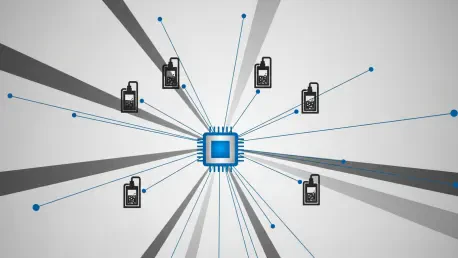
A critical component of this digital shift is the mechanism by which physical laboratory equipment communicates with remote data centers without compromising security or operational stability. Distek utilizes a lightweight application known as BIOne Connect to serve as the vital gateway between local hardware and the secure cloud environment. This local interface is designed to ensure that data transmission is both encrypted and continuous, providing a bridge that does not require the extensive IT configurations typically associated with industrial internet-of-things deployments. By simplifying the connection process, the company removes one of the most significant barriers to entry for smaller laboratories that lack dedicated IT departments. This hybrid architecture allows for remote data access and secure off-site storage while keeping the actual control logic of the bioreactors local and resilient to internet outages. This balance ensures that the primary mission of the lab remains uninterrupted while the benefits of cloud-based data management are fully realized.
The reduction of on-premise IT overhead is a primary driver for labs choosing cloud-managed systems over traditional server-based architectures. In the current landscape from 2026 to 2028, the ability to outsource software maintenance and security updates to the vendor allows scientific teams to focus exclusively on their core research objectives. Managing local servers involves significant risks, including hardware failure, data loss, and the constant need for cybersecurity patches, all of which can be mitigated through a centralized SaaS platform. Distek’s move to handle these complexities on behalf of the user ensures that the latest features and security protocols are always in place without manual intervention from the laboratory staff. This shift toward a managed service model reflects a maturing industry that values operational efficiency and data accessibility. By offloading the technical burden of database management, scientists are empowered to analyze their results more deeply, leading to faster iterations and more reliable outcomes in their bioprocessing experiments.
Maximizing Utility: Visual Tools and Automated Capture
Modern bioprocessing requires the ability to compare multiple variables in real-time to identify the subtle trends that define a successful culture run. The BIOne Core Software addresses this need by offering a visualization interface that can display up to eight different parameters across various runs simultaneously. This capability allows researchers to overlay historical data with current live feeds, facilitating immediate comparisons and rapid troubleshooting of process deviations. Such high-level visibility is crucial for maintaining the precise conditions required for sensitive biopharmaceutical production. Furthermore, the software includes customizable templates that significantly reduce the time required to set up new experiments by standardizing the parameters for recurring protocols. This standardization not only saves time but also ensures that every experiment is conducted under the same rigorous conditions, which is vital for reproducibility. By providing these advanced visual tools, the platform transforms raw data into actionable insights.
Another significant advancement provided by this digital platform is the automation of data capture, which effectively eliminates the risks associated with manual entry and human error. In a traditional setting, scientists often rely on handwritten logs or manual transfers to spreadsheets, both of which are prone to inaccuracies that can jeopardize an entire study. The BIOne Core Software automatically logs every data point from the controllers, ensuring a complete and accurate record of the bioprocess from start to finish. This automated approach is complemented by a user interface that mirrors the physical controllers, making the transition to digital workflows intuitive for existing staff. Because the software looks and feels like the hardware they already use, the learning curve is minimal, allowing labs to adopt the technology with almost no interruption to their ongoing projects. This focus on user experience and data integrity highlights the practical benefits of digital bioprocessing, where technology serves as a reliable partner in the pursuit of scientific excellence.
Market Alignment: Data Standards and Integrity
The shift toward cloud-based bioprocessing is occurring within a global market context that is projected to experience substantial growth as automation becomes the industry standard. Experts anticipate the bioprocess automation sector will reach a valuation of over $13 billion by 2032, driven by the increasing complexity of biologic drugs and the need for greater manufacturing efficiency. Distek has positioned its digital offerings to align with these broader trends by focusing on the breakdown of data silos that have historically hampered collaboration and innovation. By centralizing data in the cloud, laboratories can move away from isolated files stored on individual computers and instead contribute to a shared knowledge base that is accessible across an entire organization. This connectivity is essential for the rapid development cycles required in the biopharmaceutical industry today. As the market continues to expand from 2026 into the next decade, the ability to integrate diverse data streams will be a defining characteristic of successful facilities.
Beyond market growth, the adoption of digital tools ensures that laboratories adhere to internationally recognized data principles, specifically the FAIR standards. These standards dictate that scientific data must be Findable, Accessible, Interoperable, and Reusable to maximize its value to the scientific community and regulatory bodies. By moving data from local, proprietary formats to a centralized cloud environment, Distek helps its users maintain high levels of data integrity and long-term governance. This is particularly important for meeting the rigorous documentation requirements of regulatory agencies, where a clear audit trail is mandatory for every step of the production process. The platform provides the necessary security features to protect intellectual property while ensuring that the data remains available for future analysis and validation. In an era where data is as valuable as the physical product itself, maintaining a robust digital record is a strategic necessity that supports both scientific discovery and the regulatory compliance required for market approval.
Strategic Implementation: Practical Steps and Future Outlook
The integration of the BIOne Core Software into existing laboratory frameworks provided a direct path for facilities to enhance their operational capabilities without the need for custom coding or complex data mapping. This plug-and-play functionality allowed teams to connect their Distek hardware to the cloud-hosted platform with minimal downtime, ensuring that ongoing research was not delayed. While the software offered robust audit trails and advanced security features, organizations in highly regulated sectors still took the necessary steps to verify how the digital tool fit within their specific quality management systems. This validation process was essential for ensuring that the automated data capture met all internal compliance standards before being used for critical decision-making. By prioritizing a user-friendly interface that mirrored existing physical controls, Distek facilitated a smoother transition for staff members who were accustomed to manual processes. This strategic approach to implementation reduced the friction often associated with digital transformation.
Ultimately, the adoption of this cloud-based ecosystem represented a significant milestone in the journey toward more efficient and integrated bioprocessing. Stakeholders who embraced these digital tools found themselves better equipped to handle the increasing complexity of modern biological research and the demands of data integrity. The move toward a more connected laboratory environment provided researchers with the real-time insights needed to optimize their processes and accelerate the development of life-saving therapies. Looking ahead, the focus shifted toward expanding these digital capabilities to include even more advanced analytics and machine learning integration to further predict process outcomes. Laboratories that invested in this digital shift early gained a competitive advantage by creating a foundation of accessible and high-quality data. This evolution proved that the combination of reliable hardware and sophisticated software was the key to unlocking the full potential of bioprocess automation and achieving long-term success.