
Stadium roars that shake the camera, campus gyms where music and footwork thrum in unison, and a familiar khaki-clad figure delivering a one-liner on TV all point to the same quiet truth: moments move people, but systems keep them moving long after the echo fades. Consider how a nation’s memories of last-minute winners can lift a league’s standards, how a campus can turn curiosity about performance into a pipeline of analysts and leaders, or how a brand can refresh its most famous character without losing the heartbeat that made it memorable. The connective tissue is durable structure—facilities, development pathways, analytics, and storytelling—that turns inspiration into repeatable outcomes. This story follows that arc across four domains that rarely share a page: Vietnam’s AFF Cup legacy, a campus’s reinvention of athletics through OSC Broncos Sport Services, a stray but telling “Cloud Computing OMSCS” refrain that signals analytics-first thinking, and the brand persona of “Jake from State Farm,” which shows how authenticity can scale.
Vietnam’s AFF Cup: Memory and Meaning
Ask a Vietnamese supporter about the defining images of the AFF Cup, and the reply tends to arrive as a rapid-fire montage: a winger driving at a fullback in the rain, a goalkeeper gloving a point-blank shot, stands pulsing red as chants crest into an anthem that seems to play itself. Those sequences did more than crown champions; they fused players and public into a shared identity where effort, craft, and resilience felt inseparable from national character. The matches taught a durable lesson about cause and effect, too. When pressing triggers were synchronized and back lines held shape, late-match drama felt earned rather than improvised. When tactical tweaks matched the opponent’s strengths, the collective belief inside and outside the stadium rose together.
The cultural dividend traveled beyond ninety minutes. Youth clubs reported heavier traffic on training nights as kids tried to mimic the inverted runs and stitched triangles they had just watched. Domestic fixtures drew fuller houses, which pushed clubs to upgrade matchday operations—better lighting, safer seating, sturdier turf—to meet expectations that had climbed with the national team’s profile. On television, punditry sharpened; pressing schemes and overloads became lingua franca rather than jargon. Broadcasters leaned into telestration, and coaches held fans’ attention when explaining compactness or the value of a third-man run. Even civic rituals—motorbike parades, flags slung from balconies—became part of a feedback loop in which pride amplified participation, and participation demanded higher standards from the whole ecosystem.
Building for Sustainable Success in Vietnam
Emotions win nights; institutions win eras. Building on the AFF Cup halo, stakeholders increasingly treated infrastructure as competitive strategy, not scenery. Club academies sharpened age-band curricula so that a U-13 center back learned body orientation for breaking pressure while a U-17 forward studied timing for attacking the space between fullback and center half. Coaching badges emphasized game models with measurable principles—rest defense coverage, counterpressing windows, and expected threat progression—so training maps reflected match realities. Sports science units expanded beyond ice baths and foam rollers toward periodized load management informed by GPS traces, force-plate diagnostics, and wellness surveys calibrated to reduce soft-tissue injuries without muting intensity. Even medical rooms modernized, pairing musculoskeletal screening protocols with return-to-play criteria co-authored by physios and analysts.
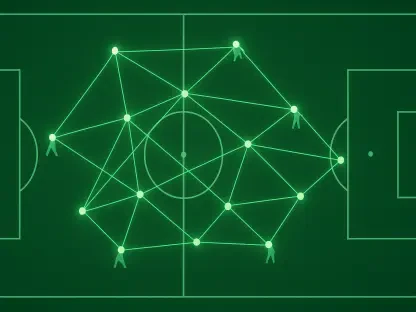
That scaffolding meant little without a pipeline that could adapt faster than rivals. Scouting moved from clip collections to mixed-method evaluation, blending live reports with data from event feeds, in-possession value models, and heatmaps tuned to a coach’s scheme. Video rooms leaned on software like Hudl Sportscode for tag-based breakdowns, while some federations and clubs experimented with optical tracking and semi-automated offside technology to accelerate review cycles. Match preparation borrowed from analytics without losing human nuance: an assistant might flag that an opponent conceded most shots from diagonal pullbacks, but the training design focused on cues players could feel—shoulder checks, split passes, decoy runs—so data became habit rather than homework. The aim looked clear and demanding: sustain a talent conveyor and a tactical culture that keeps Vietnam credible against sharper-pressing, faster-transitioning regional peers. The margin for error stays thin; the path forward rewards clarity of principle and patience in execution.
OSC Broncos Sport Services 2024: Campus Hub
A campus athletics program signals its ambitions most plainly through the spaces it builds and how those spaces are used across a typical week. OSC Broncos Sport Services positioned itself as a full-spectrum hub rather than a siloed gym, spreading capacity across structured training, spontaneous play, and guided recovery. A new fitness center grouped zones by intent—cardio decks tuned for intervals, racks arranged to streamline compound lifts, and a functional area with sled lanes and suspension rigs—so students could navigate by goals, not guesswork. Recovery rooms added compression sleeves, contrast tubs, and quiet corners for breathwork, lowering the barrier to evidence-based restoration after heavy sessions. Across the hall, a renovated gym floor used shock-absorbing sublayers and anti-glare lighting to reduce fatigue and eye strain during long intramural nights, while reconfigured seating pulled spectators closer to the action without bottlenecking entries or exits.
Outdoors, the plan read like a commitment to community and performance in equal measure. Turf fields promised consistent bounces for soccer and lacrosse despite changeable weather, and new lighting pushed intramurals deeper into the evening schedule without compromising visibility or safety. Simple touches—clear sightlines from walking paths, well-placed water stations, and shaded bench areas—acknowledged that the spaces would host rec leagues at sunset and serious training at sunrise. The programs matched the infrastructure’s intent. Group fitness schedules remained broad but smarter, with instructors integrating simple readiness checks and RPE scales so participants could modulate effort. Sports medicine opened slots for non-varsity athletes experiencing chronic niggles, walking them through progressive loading rather than issuing blanket rest. The through-line was access without dilution: a place where a club captain and a first-time participant could both feel seen and supported.
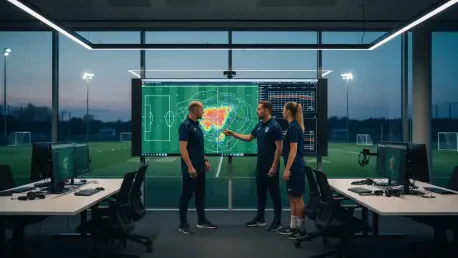
Analytics turned what had been a buzzword into a gateway for skill building and career paths. The student sports analytics track leaned on tooling that industry actually uses: Python with pandas for wrangling datasets, R for quick exploratory visuals, and Tableau for dashboards that coaches could scan on a tablet between drills. For teams that opted in, handheld GPS units and heart-rate sensors fed into weekly reports that balanced red flags with simple prescriptions—trim a rep here, add a low-intensity flush ride there—so data served decision-making rather than drowning it. Video crews tagged possessions with Hudl, teaching students to define events consistently and to hunt signal in the noise. When schedules allowed, staff opened guest sessions on basics of cloud workflows: dropping CSVs into Amazon S3, pushing queries through BigQuery, or using a managed notebook to prototype models. The intent was not to mint full-stack engineers; it was to help students speak the language of modern performance and to see how analytical clarity can coexist with locker-room chemistry.
The Cloud/OMSCS Motif and the Analytics Turn
A phrase like “Cloud Computing OMSCS” seemed out of place at first glance in a rundown of matches, gyms, and ad spots, yet it captured a broader reorientation toward scale and access that made the other pieces click. The draw of cloud-native thinking—spin up, test, scale down, pay for what is used—mapped neatly onto campus initiatives that needed to serve hundreds of learners without building a data center, and onto sports programs that wanted to trial models without risking outages or lock-in. In practice, that might look like storing event data in S3, querying with Athena, and visualizing in a lightweight web app that students maintain; or sharing anonymized GPS traces across cohorts so each class iterates on a slightly richer baseline. These workflows encouraged collaboration, version control, and reproducibility, hallmarks of serious analytics that still fit inside a semester calendar.
The mindset also filtered into soft skills that matter when numbers meet people. Students practiced “coach-ready” communication—two-sentence summaries, one chart that carries the point, and a clear next step—because even the best model fails if it confuses the decision-maker. Ethical guardrails earned similar emphasis: consent for wearable data, retention policies with expiry, and bias checks for player evaluation so metrics do not privilege attributes that scouting access already tilts toward. The effect was subtle but powerful. The campus conversation shifted from tools to outcomes: faster feedback loops between training load and readiness, cleaner study designs for interventions like sleep hygiene or hydration protocols, and a stronger bench of graduates who could walk into internships with a working sense of APIs, ETL, and stakeholder briefings. The “OMSCS vibe”—accessible, rigorous, applied—became less a label and more a shared expectation across classrooms and locker rooms.
“Jake from State Farm”: Authenticity that Scales
Commercial folklore rarely gets more specific than a first name at 3 a.m., but “Jake from State Farm” started that way because the original Jake was simply Jake Stone, a real employee delivering a line in khakis. That casting choice felt unscripted in the best sense: a person who looked like the neighbor who might jumpstart a car also happened to represent a company that promised to be reachable when life tilted. Viewers read reliability in the low-key delivery and the absence of sheen, and the character became easy shorthand for a brand platform built on availability. The lesson mirrored what sports audiences respond to when they cheer for squad players as loudly as stars. Authenticity, when it is real, carries disproportionate weight and lingers in memory.
The handoff to Kevin Miles professionalized the character without evaporating its warmth. Miles brought crisp timing, a wider emotional range, and the stamina to anchor longer storylines across platforms, from thirty-second prime-time slots to TikTok riffs with athletes. Creative teams could drop him into high-concept setups—cameos with top quarterbacks, winks at crossover pop culture—knowing the core silhouette remained intact: helpful, unhurried, and human. That continuity functioned like a brand’s version of a team’s game model. It let campaigns experiment at the edges while reinforcing a center that viewers recognized instantly. Media planners benefited, too. A consistent persona lowered the cognitive load in each new execution, which boosted recall and improved the odds that viewers would connect an unfamiliar storyline back to a familiar promise. Put differently, the character created a compounding asset: every new spot trained the audience to expect a certain cadence of humor and reassurance, so future messages landed faster and felt truer.
Turning Sparks into Systems: Next Moves
The connective tissue across national teams, campus programs, and brand personas was pragmatic and replicable, and it pointed to clear steps that practitioners could act on immediately. For football stakeholders, the emphasis on system quality suggested tightening loops between training and match reality: codify five to seven non-negotiables in the game model, audit weekly sessions for direct rehearsal of those moments, and align scouting briefs to those priorities so recruitment reinforces identity. Build a minimal analytics stack that coaches will actually use—tagged video, a small set of shot and buildup metrics, and one-page opponent rundowns—then layer complexity only when adoption proves sticky. For campuses, treat facility maps like product roadmaps: define user journeys from entry to exit, smooth bottlenecks with signage and staffing, and instrument spaces lightly—door counts, class drop-off points—to guide scheduling rather than guessing. Pair the student analytics track with capstones that ship: a dashboard a coach opens twice a week, a microstudy that reduces recovery time by a day, a communication template that cuts meeting minutes in half.
Brands reading the “Jake” playbook could inventory their recurring characters and spokespeople with a blunt question: what is the human promise that this figure makes in three words, and how does each creative choice reinforce or erode it? Guardrails then become creative fuel, not restriction. If a persona stands for availability, write scenes that test it under pressure; if it stands for clarity, write lines that simplify real confusion. Across domains, privacy and consent formed the floor, not the ceiling. Wearable programs needed opt-in and clear off-ramps; cloud data needed lifecycle policies and role-based access; campaigns needed continuity that did not stereotype. The broader thesis had been simple to state and demanding to practice: channel the energy of iconic moments into institutions that learn, adapt, and invite people in. Done well, that approach yielded sturdier teams, healthier campuses, and brands that felt less like interruptions and more like participants in daily life.