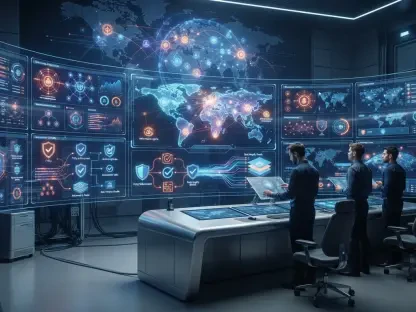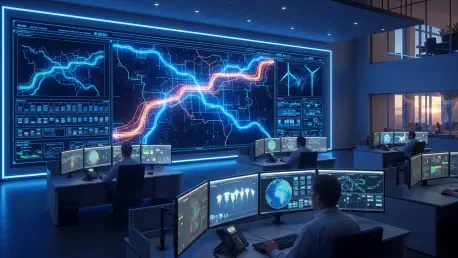

Australia’s transition toward a modernized electrical system has reached a critical tipping point as the nation grapples with the inherent instability of a decentralized power generation model. The legacy grid, originally designed for one-way flows from massive coal-fired power stations to urban centers, is being fundamentally reimagined through the integration of sophisticated cloud-based architectures. As rooftop solar penetration reaches record highs in states like South Australia and Queensland, the Australian Energy Market Operator has increasingly turned to artificial intelligence to manage the resulting surge in bidirectional electricity traffic. This shift is not merely about replacing coal with sunlight; it is about creating a hyper-connected nervous system that can sense and respond to micro-fluctuations in voltage and frequency within milliseconds. Without these advanced computational tools, the risk of localized outages or broader system instability would become untenable as variable renewable energy continues to rise across the continent during this decade.
Orchestrating Distributed Energy Resources
Real-Time Balancing: Navigating Peak Demand
Managing the complexities of the modern energy market requires a level of precision that traditional human-operated dispatch centers simply cannot maintain in the face of rapid weather changes. Artificial intelligence algorithms now serve as the primary conductors for Virtual Power Plants (VPPs), which aggregate thousands of household batteries into a single resource that can inject power back into the grid during periods of extreme demand.
These AI systems analyze historical consumption patterns, real-time weather data, and spot market pricing to determine exactly when to discharge stored energy for maximum efficiency. By leveraging these predictive models, utilities have successfully reduced the need for expensive and carbon-intensive “peaker” plants that traditionally sat idle for most of the year. This ensures the lights stay on even when wind or cloud cover reduces solar output across major regions.
Cloud Scalability: Handling Massive Data Influx
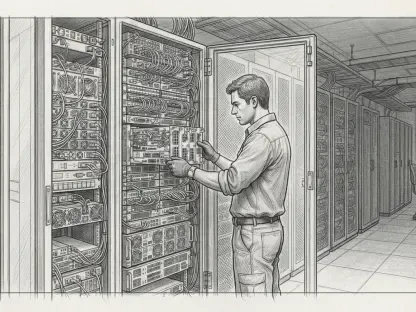
The sheer volume of telemetry generated by millions of smart meters and IoT-enabled appliances across the Australian landscape would overwhelm conventional on-premises data centers. Leading energy retailers have consequently migrated their operations to hyperscale cloud environments, such as Amazon Web Services or Microsoft Azure, to provide the elastic computing power necessary for large-scale grid analysis and real-time processing.
Beyond just storage, the cloud provides a collaborative environment where grid operators and private energy companies can share anonymized data to optimize electricity distribution. This shift toward cloud-native solutions has fostered an ecosystem where developers can quickly deploy and scale new applications designed to improve energy efficiency for all users. As a result, the time to identify and isolate faults has been slashed, improving reliability.
Predictive Maintenance and Grid Resilience
Machine Learning: Anticipating Network Failure
Maintenance strategies for Australia’s vast electrical infrastructure have evolved from reactive repairs to proactive interventions driven by deep learning and digital twin technology. By creating virtual replicas of physical assets like high-voltage transformers and transmission lines, engineers can simulate various stress scenarios, including extreme heatwaves. Sensors embedded throughout the physical network feed real-time data into these digital twins to detect subtle anomalies.
This predictive capability has proven essential for preventing bushfires caused by failing power lines, a major concern for rural communities and insurance providers. Instead of following a rigid, calendar-based maintenance schedule, utility providers now deploy technicians based on risk-scoring algorithms that prioritize the most vulnerable components of the grid. This data-centric approach extends the operational lifespan of hardware while ensuring limited capital resources are allocated efficiently.
Strategic Planning: Future-Proofing the Infrastructure
The successful integration of these advanced technologies provided a clear roadmap for the continued evolution of the national energy landscape through 2028 and beyond. By establishing a robust digital foundation, stakeholders demonstrated that decentralized energy resources could be managed as effectively as centralized assets while significantly lowering the overall cost of generation. Strategic investments in sovereign cloud capabilities and AI ethics frameworks ensured that the grid remained resilient.
These initiatives emphasized the importance of cross-sector collaboration between technology firms and traditional energy providers to achieve long-term sustainability goals. The data gathered during these early implementation phases helped policymakers refine regulations that encouraged further private investment in smart grid technologies. Ultimately, the transition to an intelligent grid proved that technical innovation was the most vital tool for balancing environmental objectives with reliability.