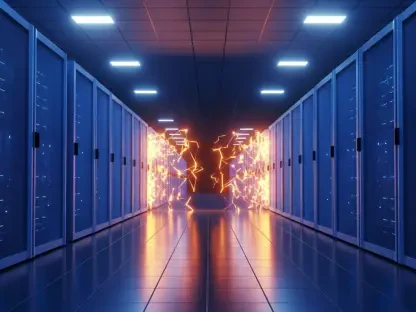

The digital frontlines of modern warfare have shifted from simple data theft to a complex theater of psychological intimidation and high-stakes corporate espionage. Recently, the security community has been rattled by claims from aggressive threat actors like “APT Iran” and the group known as “Handala,” who assert they have penetrated the inner sanctums of the U.S. defense industrial base. These entities are not just looking for passwords; they are weaponizing the very idea of a breach to sow discord among government officials and private contractors.
Examining the Validity and Impact of Iranian Cyber Operations
Recent reports highlight a staggering claim regarding a $598 million data cache allegedly exfiltrated from major defense firms. This purported haul includes highly sensitive Pentagon contracts and detailed blueprints for the F-35 fighter jet, one of the most advanced pieces of military hardware in existence. If true, such a leak would represent a generational setback for American air superiority and a massive intelligence coup for Tehran.
Beyond the theft of technical data, these groups have pioneered a more personal form of digital aggression. Handala has reportedly engaged in direct psychological operations, using SMS messages to doxx defense engineers and harass government personnel. By issuing ultimatums and leaking personal details, these actors aim to create a climate of fear that extends beyond the server room and into the personal lives of those tasked with national security.
Contextualizing Digital Escalation in Modern Geopolitics
Iranian cyber strategy frequently serves as an asymmetric counterweight to U.S. and Israeli kinetic military actions. When traditional military responses are too costly or risky, the digital realm provides a low-cost avenue for retaliation. This trend has become increasingly apparent as high-profile organizations like Lockheed Martin, Stryker, and even the FBI find themselves in the crosshairs of state-aligned hacking groups.
Understanding this nexus is vital for national security, as the targeting of the defense industrial base is rarely about financial gain alone. Instead, these operations are designed to erode public trust in the government’s ability to protect its most classified secrets. The focus on high-visibility targets ensures that every claim, whether fully verified or not, receives significant media attention and complicates diplomatic relations.
Research Methodology, Findings, and Implications
Methodology
The investigation into these threats involved a comprehensive review of digital forensics and threat intelligence reports from specialized firms like Halcyon and the Foundation for Defense of Democracies. Researchers cross-referenced public claims made on underground forums with verified historical breaches to identify patterns of data recycling. Furthermore, the analysis incorporated updates on domain disruption efforts led by the Department of Justice and the State Department’s “Rewards for Justice” initiatives.
Findings
The data suggests a consistent strategy of using disinformation and diversionary tactics to inflate the perceived capabilities of Iranian actors. While sensitive information was indeed stolen, much of it appears to be historical rather than current intelligence. For instance, data involving high-ranking officials was found to be outdated, suggesting that hackers often repackage old leaks to maintain a sense of ongoing crisis. There is also a notable shift toward multi-vector campaigns that blend traditional technical exploits with persistent social engineering and SMS-based harassment.
Implications
For defense contractors, the primary challenge lies in distinguishing between theatrical posturing and a legitimate system compromise that requires immediate remediation. The perception of a successful breach can often be as damaging to a company’s reputation and stock value as the actual theft of intellectual property. Moreover, the vulnerability of critical infrastructure, such as municipal water systems, indicates that these actors are willing to target civilian assets to achieve political leverage.
Reflection and Future Directions
Reflection
Verifying claims in underground markets remains a significant hurdle, as data is frequently misrepresented for financial gain or political influence. A purely defensive posture is often insufficient when facing state-aligned actors who leverage public anxiety to magnify their impact. However, the collaborative efforts between federal agencies and private security researchers have proven effective in disrupting the infrastructure used to launch these psychological campaigns.
Future Directions
The path forward requires more robust attribution frameworks to counter state-sponsored disinformation before it gains traction in the public sphere. There is a pressing need to evaluate the long-term effectiveness of financial rewards in deterring decentralized groups that operate with state protection. Additionally, security experts must remain vigilant regarding the potential for these actors to pivot from psychological games to destructive attacks that could physically disable critical defense infrastructure.
Assessing the Balance Between Theatricality and Tangible Risk
The Iranian cyber threat was a sophisticated blend of financial opportunism and calculated political intimidation. While specific high-end claims regarding blueprints were likely exaggerated for dramatic effect, the persistent nature of these intrusions created a genuine and evolving risk to the U.S. defense industrial base. Moving forward, the integration of advanced counter-intelligence with traditional cybersecurity measures became the primary strategy for safeguarding national sovereignty in an increasingly volatile digital landscape. This approach necessitated a shift toward proactive hunting of threats rather than simple perimeter defense.