
The powerful fusion of Artificial Intelligence and the Internet of Things is fundamentally reshaping our world, creating a new technological paradigm where interconnected devices are no longer passive data collectors but active participants that can learn, reason, and act with autonomy. This synergistic relationship, often referred to as the Artificial Intelligence of Things (AIoT), represents a monumental leap beyond simple connectivity, forging a deeply integrated and responsive intelligent ecosystem. Within this dynamic partnership, the Internet of Things acts as a vast digital nervous system, extending our senses into the physical world through a web of countless sensors and devices. Simultaneously, Artificial Intelligence functions as the sophisticated brain, processing the constant stream of information to uncover profound insights, drive automated actions, and unlock efficiencies that are actively transforming industries, revolutionizing daily life, and paving the way for a more predictive and automated future.
The Foundation of AIoT From Connection to Intelligence
The Evolution of IoT
The Internet of Things has undergone a remarkable transformation, evolving from a collection of niche applications primarily used for basic asset tracking and remote monitoring into a foundational infrastructure that underpins the operations of modern society. This expansion has been driven by the confluence of several key technological advancements. The dramatic reduction in the cost of sensors, coupled with their increasing sophistication and miniaturization, has made it economically viable to embed intelligence into nearly any physical object. Concurrently, the proliferation of robust and diverse network connectivity options, ranging from high-bandwidth 5G for real-time applications to Low-Power Wide-Area Networks (LPWAN) for long-range, low-data-rate devices, has created the backbone necessary for these countless devices to communicate seamlessly. This ever-present connectivity, supported by scalable cloud computing platforms, ensures that data can be collected, transmitted, and stored efficiently, forming a continuous stream of information from the physical world. This evolution has shifted IoT from a futuristic concept to an indispensable tool for critical sectors such as healthcare, manufacturing, transportation, and the development of intelligent urban environments, laying the groundwork for the next wave of digital transformation.
At the heart of the IoT ecosystem is the immense volume of data these interconnected devices generate, a resource that has become the lifeblood of modern innovation and operational excellence. Every sensor, from a simple temperature gauge in a shipping container to a complex LiDAR scanner on an autonomous vehicle, contributes to a massive and diverse dataset that captures a high-fidelity digital representation of the physical world. This raw data, however, is only the starting point. Its true value is unlocked through sophisticated data management and processing, which transforms unstructured information into actionable intelligence. This process involves not only collecting and storing data but also cleaning, aggregating, and preparing it for analysis. As organizations have recognized the strategic importance of this data, they have invested heavily in platforms and architectures capable of handling this influx. This focus on data has established IoT as the primary mechanism for bridging the gap between the physical and digital realms, providing the essential raw material required to train advanced AI models and enable smarter, data-driven decision-making across every facet of industry and commerce.
The Definitive Partnership
The relationship between Artificial Intelligence and the Internet of Things is best understood as a definitive and symbiotic partnership, where each technology amplifies the capabilities of the other, rather than a scenario of competition. In this collaboration, IoT serves as the extensive sensory system, a sprawling network of devices that act as the eyes, ears, and nerve endings of the digital world, constantly collecting real-time data from the physical environment. These devices capture everything from temperature and pressure in an industrial setting to biometric readings from a wearable health monitor. However, this raw data, in its unprocessed state, has limited utility. This is where AI provides the indispensable cognitive function. AI algorithms, particularly those based on machine learning and deep learning, act as the central brain, ingesting the torrent of data from IoT devices and applying sophisticated analytical techniques to interpret it. By identifying subtle patterns, detecting anomalies, and correlating disparate data points, AI transforms this stream of information into meaningful insights, predictions, and ultimately, automated actions, making sense of a world that is too complex and fast-moving for human analysis alone.
This synergistic interplay creates a powerful feedback loop that drives continuous improvement and enables systems to evolve from being merely reactive to becoming predictive and even prescriptive. Initially, IoT data is used to train AI models, teaching them to recognize specific conditions or predict future outcomes based on historical patterns. For example, an AI model can learn to predict machinery failure by analyzing vibration and temperature data from IoT sensors. Once deployed, the AI can monitor live data streams and trigger alerts or automated maintenance protocols before a breakdown occurs. This process doesn’t stop there. As the system operates, it continues to gather new data, which is then used to further refine and retrain the AI models, making them more accurate and effective over time. This continuous cycle of data collection, analysis, action, and learning transforms the IoT network from a passive data-gathering apparatus into a dynamic, intelligent, and self-optimizing ecosystem. This capability allows AIoT systems to adapt to changing conditions in real time, automate complex decision-making processes, and operate with a level of autonomy that was previously unattainable, pushing the boundaries of what is possible in automation and control.
Revolutionizing Industries with Intelligent Automation
Transforming Public and Environmental Systems
The integration of AI and IoT is at the vanguard of a revolution in urban management and environmental stewardship, creating systems that are more responsive, efficient, and sustainable. In the context of smart cities, this partnership is fundamentally altering how municipal services are delivered and how public infrastructure is managed. A dense network of IoT sensors embedded within roads, buildings, and public utilities continuously collects real-time data on everything from traffic flow and parking availability to energy consumption and air quality. This data is then fed into centralized AI platforms that analyze it to orchestrate city operations dynamically. For instance, AI algorithms can adjust traffic light timings in real time to alleviate congestion, guide drivers to open parking spaces, and optimize public transit routes based on commuter demand. Similarly, intelligent street lighting systems use sensor data to adjust brightness based on pedestrian and vehicle presence, drastically reducing energy consumption without compromising public safety. These intelligent systems enhance the quality of urban life, improve public safety, and enable city planners to make more informed decisions for future development.
Beyond the urban landscape, AIoT provides critical tools for addressing some of the world’s most pressing environmental challenges, enabling proactive monitoring and rapid response. In regions prone to natural disasters, extensive networks of IoT sensors can be deployed to monitor environmental conditions with unprecedented granularity. For example, sensors in forests can detect subtle changes in temperature, humidity, and atmospheric gases that are early indicators of wildfires, allowing AI-powered early warning systems to alert authorities before a fire grows out of control. In agriculture, this technology supports water conservation by using soil moisture sensors to trigger automated, precise irrigation, ensuring that water is used only when and where it is needed. For broader environmental protection, AIoT systems can continuously monitor air and water quality in rivers and industrial zones, automatically identifying pollution sources and tracking their impact over time. By analyzing this vast dataset, AI can identify long-term trends, predict the impact of climate change, and provide policymakers with the data-driven insights needed to create more effective conservation strategies and protect vulnerable ecosystems.
Driving Efficiency in Core Economic Sectors
Within the industrial landscape, the fusion of AI and IoT is the primary driver of the Fourth Industrial Revolution, or Industry 4.0, which is redefining manufacturing processes to achieve unprecedented levels of efficiency and productivity. Factories are being transformed into highly automated, interconnected environments where sensors are embedded in virtually every piece of machinery and equipment. These sensors constantly monitor a wide range of operational parameters, such as vibration, temperature, and energy consumption, streaming this data for real-time analysis. AI-powered predictive maintenance platforms analyze these data streams to identify subtle patterns that precede equipment failure, enabling maintenance teams to intervene proactively and prevent costly, unplanned downtime. Furthermore, the concept of the “digital twin”—a virtual replica of a physical asset or process—relies heavily on AIoT. By continuously feeding real-time sensor data into a digital twin, operators can simulate different operational scenarios, optimize performance, and test changes without impacting the physical production line. This synergy also enhances quality control, with AI-powered vision systems automatically inspecting products for defects, ensuring higher standards and reducing waste.
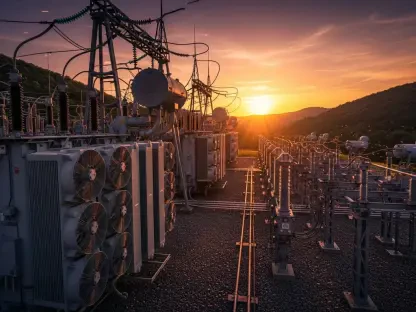
The transformative impact of AIoT extends far beyond manufacturing into other core economic sectors, such as energy and agriculture, where it is driving sustainability and optimizing resource management. In the energy sector, this technology is essential for the creation of modern smart grids. IoT sensors deployed across the electrical network monitor power flow, detect faults, and balance loads in real time, which is crucial for integrating intermittent renewable energy sources like wind and solar power. AI algorithms analyze this data to predict energy demand, optimize distribution, and perform predictive maintenance on critical infrastructure like transformers and turbines, ultimately enhancing grid reliability and efficiency. In agriculture, AIoT is fostering a new era of precision farming. A network of sensors in the soil monitors moisture levels, nutrient content, and pH balance, allowing for the automated and highly targeted application of water and fertilizer. This not only increases crop yields and improves food quality but also significantly conserves vital resources and reduces the environmental impact of farming practices by minimizing chemical runoff.
Enhancing Commerce and Logistics
In the highly competitive retail and logistics sectors, AIoT is emerging as a critical enabler of smarter, more responsive, and customer-centric operations. For retailers, this technology offers a powerful solution for optimizing one of their biggest challenges: inventory management. Smart shelves equipped with weight sensors and RFID readers can track product stock levels in real time, automatically triggering reorder alerts when items are running low to prevent costly stockouts and lost sales. This seamless inventory tracking extends throughout the supply chain, from the warehouse to the storefront, providing a comprehensive view of product flow. Beyond backend operations, AIoT is also reshaping the in-store customer experience. By analyzing data from in-store sensors and cameras, AI algorithms can understand customer traffic patterns, identify popular product areas, and enable personalized promotions delivered directly to a shopper’s smartphone. This technology is also the foundation for frictionless shopping experiences, such as automated checkout systems that allow customers to simply walk out with their items, creating a more convenient and efficient retail environment.
The logistics and transportation industry, which forms the backbone of global commerce, is being fundamentally transformed by the efficiency and safety improvements delivered by AIoT. Fleet management has been revolutionized through the use of GPS and other IoT sensors embedded in vehicles, which provide a constant stream of real-time data on location, speed, fuel consumption, and engine diagnostics. AI algorithms process this information, along with external data on traffic conditions, weather, and delivery schedules, to perform dynamic route optimization. This capability allows dispatchers to adjust routes on the fly to avoid delays, significantly reducing delivery times and fuel costs. Furthermore, for the transportation of sensitive goods, such as pharmaceuticals or perishable foods, condition monitoring sensors are indispensable. These sensors track parameters like temperature and humidity inside shipping containers, ensuring that goods remain within optimal conditions throughout their journey. If a deviation is detected, an alert is automatically sent, allowing for immediate corrective action, which enhances product quality, reduces waste, and ultimately improves customer satisfaction.
Personalizing Health and Home Experiences
The convergence of AI and IoT is making a profound impact on personal well-being, driving a shift in healthcare from a reactive to a proactive and highly personalized model of care. The proliferation of wearable IoT devices, such as smartwatches and fitness trackers, along with more specialized medical sensors, allows for the continuous and non-invasive monitoring of a wide range of vital signs, including heart rate, blood oxygen levels, and glucose levels. This steady stream of real-time health data is transmitted to cloud-based AI platforms that can analyze it to detect subtle changes or anomalies that may indicate the early onset of a health issue. This enables early diagnosis and intervention, which can significantly improve patient outcomes. For individuals with chronic conditions, this technology supports remote patient monitoring, allowing healthcare providers to track their patients’ health from a distance, reduce the need for hospital visits, and provide timely support. In critical care settings, AI algorithms can analyze data from bedside monitors to predict patient deterioration, giving clinical staff a crucial window of opportunity to intervene and prevent adverse events.
In the consumer space, AIoT is enhancing daily life by creating smart home environments that offer greater convenience, safety, and energy efficiency. The smart home ecosystem is built around a network of interconnected devices, such as smart thermostats, connected lighting, smart locks, and intelligent appliances, all communicating with each other and a central hub. AI-powered voice assistants have become the intuitive interface for controlling these devices, allowing users to manage their homes with simple voice commands. More importantly, these systems are designed to learn and adapt to the user’s habits and preferences over time. For example, a smart thermostat can learn a household’s daily routine and automatically adjust the temperature to optimize comfort while minimizing energy consumption. Smart security systems leverage AI to analyze video feeds from cameras, distinguishing between routine events, like a package delivery, and genuine threats, like an intruder, thereby reducing false alarms and enhancing home safety. These intelligent, adaptive systems work in concert to automate household tasks, conserve resources, and create a living environment that is more responsive to the needs of its inhabitants.
Charting the Future Opportunities and Obstacles
The New Professional Landscape
The accelerated adoption of AIoT across nearly every industry is creating a profound shift in the professional landscape, generating a wave of new career opportunities and placing a premium on professionals who possess a unique blend of hybrid skill sets. The demand is no longer for specialists in either IoT hardware or AI software alone, but for individuals who can bridge the gap between these two domains. As organizations increasingly seek to build, deploy, and manage these complex, intelligent systems, there is a high demand for roles such as AIoT solutions architects, who design end-to-end intelligent systems; cloud engineers with expertise in IoT platforms; and data analysts who can derive meaningful insights from the massive datasets generated by connected devices. The foundational skills required for these roles include a deep understanding of data analytics and machine learning, proficiency in cloud and edge computing architectures, and advanced knowledge of network management, including emerging connectivity standards. This convergence necessitates a new generation of tech professionals who are versatile and can work across the entire technology stack, from the physical sensor to the analytical model in the cloud.
This technological evolution is not only creating new job titles but is also fundamentally reshaping existing roles, compelling professionals across various sectors to adapt and acquire new competencies. For instance, traditional operations managers in manufacturing now need to understand data analytics to interpret insights from predictive maintenance systems, while urban planners must become proficient in using smart city data to inform their decisions. This environment places a strong emphasis on continuous learning and upskilling. Professionals who invest in developing expertise in areas such as IoT device management, secure system design, and the implementation of AI models at the edge will be exceptionally well-positioned for career advancement. The rapid pace of innovation means that staying current with the latest technological developments is no longer optional but a requirement for remaining relevant. Consequently, educational institutions and corporate training programs are evolving to offer more integrated curricula that combine elements of hardware engineering, software development, data science, and cybersecurity to prepare the workforce for the demands of this new, interconnected era.
Specialized Fields and Entrepreneurial Ventures
As the AIoT ecosystem matures, it is fostering the growth of highly specialized professional fields designed to address the unique challenges and opportunities that arise from a hyper-connected world. One of the most critical and rapidly expanding of these specializations is IoT cybersecurity. With billions of devices connected to the internet, the potential attack surface for malicious actors has expanded exponentially. Each connected sensor, camera, or industrial controller represents a potential vulnerability that could be exploited to launch large-scale DDoS attacks, compromise sensitive data, or disrupt critical infrastructure. This has created a surge in demand for cybersecurity experts who specialize in securing IoT ecosystems. These professionals are tasked with everything from penetration testing and vulnerability assessment of connected devices to designing secure network architectures and implementing end-to-end encryption. Their expertise is crucial for building trust in these systems and ensuring that the benefits of connectivity are not outweighed by the risks.
In parallel with the growth of specialized corporate roles, the convergence of AI and IoT is unlocking a fertile ground for innovation and entrepreneurial ventures. The relatively low cost of hardware and the accessibility of powerful cloud-based AI platforms have lowered the barrier to entry for innovators to develop and launch novel AIoT solutions tailored to specific niche markets. This has sparked a wave of startups creating everything from advanced sensors for precision agriculture to intelligent platforms for remote healthcare monitoring and specialized asset-tracking solutions for complex supply chains. Furthermore, a growing global focus on sustainability is fueling the rise of “Green IoT,” a field dedicated to leveraging this technology for environmental benefits. Entrepreneurs in this space are developing solutions to optimize energy consumption in buildings, monitor and reduce industrial emissions, and create more efficient water management systems. This dynamic environment not only drives technological advancement but also creates economic opportunities for those who can identify unmet needs and build creative, scalable solutions that harness the power of intelligent, connected devices.
Navigating the Enduring Challenges
Despite its immense potential and rapid adoption, the path to a fully realized AIoT-powered world was paved with significant and persistent hurdles that demanded careful navigation. Security consistently stood as the foremost concern, as the very connectivity that empowered these systems also exposed them to a vast and complex array of threats. Every smart device, from a consumer-grade camera to a critical industrial sensor, represented a potential entry point for malicious actors. The industry grappled with the challenge of securing these devices throughout their lifecycle, from implementing secure boot processes during manufacturing to ensuring that devices could be patched and updated remotely to protect against newly discovered vulnerabilities. The risk of large-scale botnets, composed of thousands of compromised IoT devices, being used to launch debilitating Distributed Denial-of-Service (DDoS) attacks remained a constant threat that required sophisticated network monitoring and defense mechanisms. Building robust, end-to-end security frameworks that protected the device, the network, and the data became a non-negotiable prerequisite for widespread trust and adoption.
Beyond the critical issue of security, organizations faced substantial technical and logistical challenges in implementing and scaling their AIoT initiatives. The sheer volume, velocity, and variety of data generated by IoT networks presented a formidable data management problem. Effectively collecting, storing, processing, and analyzing these massive datasets required sophisticated data architectures and significant computational resources. Another major obstacle was the lack of interoperability between devices and platforms from different manufacturers. This often resulted in siloed systems and vendor lock-in, hindering the creation of truly integrated and seamless ecosystems. To overcome this, the industry worked towards establishing common communication protocols and data standards. Finally, navigating the complex and ever-evolving landscape of regulatory compliance posed a significant challenge. Adhering to standards such as the General Data Protection Regulation (GDPR) for data privacy and the Health Insurance Portability and Accountability Act (HIPAA) for sensitive health information required careful system design and rigorous data governance policies, adding another layer of complexity to the development and deployment of AIoT solutions.