
The rapid evolution of corporate decision-making demands that artificial intelligence systems operate on information that is refreshed every second rather than every several days. On March 23, 2026, IBM finalized its acquisition of Confluent, Inc., a premier data streaming platform, in a monumental

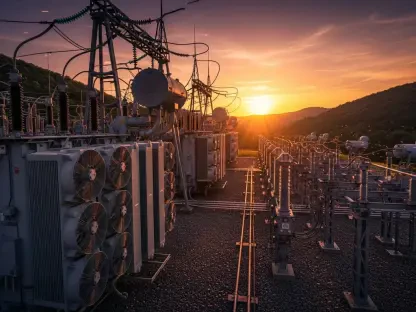
The rapid expansion of generative artificial intelligence has moved beyond the digital realm, manifesting as a massive physical infrastructure that consumes vast amounts of electricity and natural resources. This transition from theoretical software to heavy industrial reality was recently

The modern enterprise landscape is currently navigating a pivotal shift where the sheer volume of information no longer guarantees a competitive advantage unless that information is meticulously governed and contextualized for autonomous systems. As organizations transition from basic automation to

Chloe Maraina is a seasoned software engineer who has spent her career at the intersection of Big Data and high-stakes infrastructure. Having worked on the recommendation engines powering Instagram Reels at Meta and now contributing her expertise to Google, she specializes in making massive AI

The boundary between human intent and software execution has historically been defined by the friction of manual input, yet OpenAI’s latest pivot aims to dissolve this barrier entirely through a unified desktop environment. By transitioning from a simple browser-based chatbot to a comprehensive

The relentless demand for computational power in the generative artificial intelligence sector has reached a critical juncture where simply throwing more hardware at the problem no longer yields the desired economic or environmental returns. While the public narrative remains fixated on the