

The digital architecture that once served as the silent backbone of the corporate world is undergoing a violent restructuring as the sheer velocity of artificial intelligence outpaces the physical limits of traditional data storage. For years, the enterprise landscape operated under a clear

The traditional view of the cloud as a static repository for data and a host for isolated software applications has been fundamentally dismantled by the rapid integration of autonomous intelligence into enterprise ecosystems. This evolution marks a departure from the era of simple infrastructure

The modern developer's workflow has become so deeply intertwined with automated dependency management that the silent injection of a single malicious package can now compromise an entire global enterprise within minutes. This shift marks the end of the era of static, one-off exploits, replaced by

The rapid transformation of enterprise technology has shifted from passive algorithms awaiting human input to autonomous systems capable of executing high-level business decisions without any manual oversight. While the tech world has spent years mastering passive AI models that wait for human
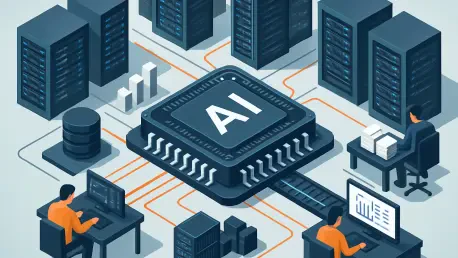
The accelerated convergence of high-performance silicon and enterprise-grade open-source orchestration is no longer a technical luxury but a fundamental requirement for businesses attempting to transition from experimental algorithms to industrial-scale automation. As the global artificial

The rapid departure from rigid, hardware-centric telecommunications models toward fluid, software-driven environments marks the most significant architectural evolution since the inception of mobile connectivity. Across Southeast Asia, this shift is currently being defined by the rise of