
The personal computer, long a symbol of individual empowerment and digital autonomy, is undergoing a profound and deliberate transformation that redefines the very concept of ownership. A strategic shift, orchestrated by major technology vendors, is systematically moving users away from a model of purchasing and controlling their own hardware and software toward a future where computing is a metered utility, rented on a monthly basis. This evolution, propelled by the twin engines of cloud computing and artificial intelligence, is not merely a change in business models; it represents a fundamental restructuring of the relationship between users and their technology. The traditional PC experience, characterized by local management and user control, is being dismantled in favor of a centralized, subscription-based service. In this new paradigm, convenience, scalability, and enhanced security are offered in exchange for what was once the core promise of personal computing: control over one’s own digital domain. This transition poses critical questions about cost, privacy, and the future of digital independence.
From Product Purchase to Service Subscription
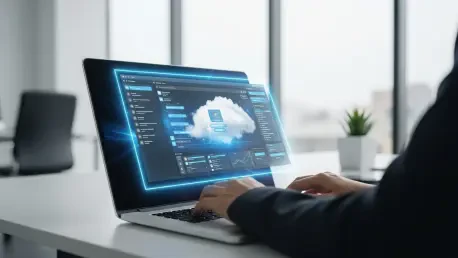
The central pillar of this new strategy involves aggressively steering customers away from perpetual software licenses and into recurring subscription models. A clear example of this is the guidance provided to organizations grappling with the impending end-of-support for their vast fleets of Windows 10 devices. Rather than presenting a simple hardware and software refresh as the primary solution, the recommended path is increasingly a migration to Windows 365 Cloud PCs. This service perfectly encapsulates the rental paradigm: for a predictable monthly fee, users receive a secure, scalable, and AI-enhanced Windows experience streamed directly from the cloud to virtually any device. This approach strategically reframes traditional, locally installed versions of Windows as little more than a preliminary step—an on-ramp designed to acclimate users to an ecosystem where the ultimate destination is a full-fledged subscription service. The perpetual license is becoming a legacy concept, replaced by perpetual access fees.
This strategic pivot is facilitated by a suite of technologies designed to blur the lines between local and remote computing, making the transition to a cloud-based desktop feel seamless and inevitable. Innovations like Windows 365 Boot allow a physical machine to bypass its local operating system entirely, starting up directly into a user’s provisioned Cloud PC. This effectively reduces the hardware to a thin client or a simple access portal. Complementing this is Windows 365 Switch, a feature that enables users to toggle between their local and cloud environments with the same ease as switching between applications. The cumulative effect of these tools is the systematic demotion of the physical PC. Once the anchor of a user’s digital life, the device is now being redefined as an interchangeable terminal for a centralized, vendor-managed utility. In this dynamic, the user cedes significant agency over their computing environment in return for the promised simplicity and flexibility of a managed service.
The AI Revolution as a Catalyst for Change
The ongoing artificial intelligence boom is being masterfully leveraged to accelerate this shift toward a rental model and solidify vendor lock-in. While Microsoft and its partners heavily market “AI PCs” equipped with specialized hardware like neural processing units (NPUs), there is a growing consensus that the tangible, day-to-day benefits of on-device AI remain unclear to the average customer. The most significant and impactful AI advancements are not happening locally but in the cloud. As prominent tech leaders have articulated, the true power of AI will be delivered as a cloud-hosted utility, not as a standalone application running on an individual’s machine. Capitalizing on this trend, Microsoft is deeply integrating its primary AI tools, such as Copilot, into its cloud-based subscription services, making them an essential part of the Office 365 and Windows 365 ecosystem. This makes local AI management impractical and inefficient, effectively transforming AI into another metered service that must be rented, thereby deepening user dependence.
This new model carries profound consequences, both financially and philosophically, for businesses and individuals alike. From an economic standpoint, the predictable, one-time capital investment in hardware and software is being systematically replaced by a perpetual operational expense. This creates what can be described as an “ever-escalating treadmill” of subscription fees. A basic Windows 365 Cloud PC subscription is merely the starting point; costs quickly inflate as essential add-ons for productivity suites, advanced security features, and AI services are layered on top. While vendors frame this as a cost-effective trade-off against the complexities of internal IT management, it translates into a ballooning, unending expense. More profound, however, is the erosion of control and autonomy. The traditional PC empowered users with the “keys” to their digital spaces, allowing them to install any software, manage their own data, and make their own security and privacy decisions. In the cloud-and-AI model, the vendor sits at the center, controlling software deployment, identity management, and critical privacy settings, making the personal computer no longer truly personal.
A Fundamental Choice Redefined
This industry-wide pivot ultimately presented users and organizations with a stark choice that would define the future of their relationship with technology. One path, meticulously paved by Microsoft, offered the undeniable allure of convenience, centralized security management, and seamless AI integration. However, it was a path defined by continuous operational costs and the significant surrender of digital control. The alternative path required a conscious decision to seek out solutions that prioritized ownership, autonomy, and privacy. For those who wished to retain genuine command over their digital environment, security posture, and data, mature open-source operating systems like Linux emerged as the most viable and powerful option. This inflection point highlighted a sobering irony: a technological revolution once built on the promise of personal empowerment and independence had trended toward a reversal of those foundational gains, forcing a generation to reconsider what it truly meant to own a personal computer.