
The contemporary health and wellness landscape is characterized by an overwhelming abundance of specialized biometric sensors and applications, each capturing a distinct slice of a user’s physiological profile. A dedicated athlete might track running cadence on a Garmin watch, monitor daily activity levels with an Apple Watch, and assess overnight recovery using a specialized Whoop strap, yet these individual data streams rarely communicate with one another. This persistent lack of interoperability creates a “silo effect” where high-quality health information remains trapped within proprietary ecosystems, making it nearly impossible for the average individual to synthesize a complete picture of their physical well-being. Consequently, the vital correlations between a poor night’s sleep, elevated daily stress, and a subsequent drop in athletic performance often go unnoticed, leaving users with a collection of disjointed statistics rather than a coherent health narrative.
The emergence of MyFitnessCoach as a centralized intelligence hub in early 2026 marks a decisive shift in how the industry handles this systemic fragmentation. By implementing a unified synchronization dashboard, the platform effectively bridges the gap between major industry leaders including Fitbit, Google Fit, Apple Health, Polar, and Garmin. This integration allows the system to aggregate raw data from disparate sources into a single, intuitive interface where artificial intelligence can identify hidden patterns that were previously obscured by the boundaries of individual apps. For instance, the platform can now automatically correlate a decrease in sleep quality recorded by one device with a specific drop in Heart Rate Variability measured by another, providing users with the contextual insights necessary to make informed decisions about their daily training and recovery needs.
Technical Foundations: Seamless Integration and User Privacy
The fundamental architecture of this data unification strategy relies on highly secure Application Programming Interface (API) connections that facilitate a fluid exchange of information. These technical links allow for an automated, real-time flow of physiological data from third-party hardware directly into the MyFitnessCoach ecosystem without requiring any manual intervention from the user. Once the initial handshake between the device and the platform is established, all subsequent synchronization occurs in the background, ensuring that the user’s comprehensive health profile remains up to date. This automation is critical because it removes the friction of manual data entry, which has historically been a significant barrier to long-term health tracking and user engagement. By streamlining the collection process, the platform ensures that the data remains accurate, timely, and reflective of the user’s actual physical state.
In tandem with this seamless connectivity, the platform places an unprecedented emphasis on data sovereignty and granular privacy controls to protect sensitive biometric information. Users are granted the authority to dictate exactly which data streams are shared with the central hub, allowing them to authorize heart rate monitoring while restricting access to GPS coordinates or other location-based services. This modular approach to permissions ensures that individuals maintain complete ownership over their digital footprint even as they benefit from the insights of a unified dashboard. To further bolster security, the platform utilizes advanced encryption protocols for both data in transit and information stored in the cloud. This ensures that the unified health narrative is not only consistent across smartphones, tablets, and web browsers but also remains shielded from unauthorized access, fostering a sense of trust that is essential for any modern health technology.
Advanced Metrics: The Science of Heart Rate Variability
Central to the platform’s analytical capabilities is its sophisticated interpretation of Heart Rate Variability (HRV), a metric that has become the gold standard for assessing the status of the autonomic nervous system. HRV does not simply measure how fast the heart beats but instead focuses on the specific time intervals between consecutive heartbeats, which fluctuate based on the body’s internal state. By analyzing these minute variations, the AI can determine how effectively an individual is balancing the “fight-or-flight” response of the sympathetic system with the “rest-and-digest” functions of the parasympathetic system. This deep physiological insight provides a much more accurate representation of internal resilience and recovery than traditional heart rate monitoring, offering a window into how the body is truly coping with the cumulative demands of exercise, work, and lifestyle stressors.
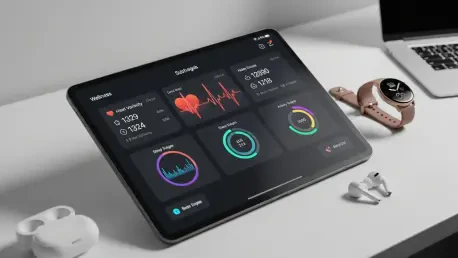
The AI-driven engine processes these complex intervals into specialized metrics like RMSSD (Root Mean Square of Successive Differences) and SDNN to provide a nuanced view of both short-term adaptability and long-term cardiovascular health. For example, a consistently high RMSSD reading is interpreted by the system as a sign of robust physiological flexibility and a healthy parasympathetic response. Rather than forcing users to decipher these technical values on their own, the platform translates this scientific data into a visually accessible “Wellness Dashboard” that categorizes recovery status into intuitive levels. This democratization of sports science allows users to understand whether their body is primed for a high-intensity workout or if it requires a day of active rest, effectively bridging the gap between raw biometric data and practical, everyday application for both amateur enthusiasts and professional athletes.
Stress Management: Quantifying the Impact of Daily Life
Recognizing that physical performance is inextricably linked to mental and environmental stressors, the platform has introduced a comprehensive “Stress Score” designed to provide a tangible measurement of internal tension. This metric, which operates on a scale from 0 to 100, is calculated by synthesizing HRV patterns, resting heart rate fluctuations, and activity levels throughout the day. By establishing a personalized “normal” baseline for each user—typically ranging between 35 and 65—the AI can pinpoint exactly when an individual’s system is becoming overtaxed. This quantification transforms the abstract feeling of “being stressed” into a data-driven insight, allowing users to see the physiological footprint of a demanding workday or a lack of recovery, which is vital for preventing long-term burnout and chronic fatigue.
This systematic monitoring serves as an early warning system that is particularly effective in the prevention of overtraining injuries. When the AI detects a persistent upward trend in the stress score combined with a downward trajectory in HRV, it flags the situation as a concerning deviation from the user’s healthy state. In these instances, the platform might suggest a reduction in physical intensity or the implementation of specific recovery protocols to mitigate the risk of exhaustion. Conversely, when the data indicates a low stress score and high recovery markers, it provides a “green light” for the user to pursue more ambitious physical or mental challenges. This dynamic feedback loop ensures that training loads are always aligned with the body’s actual capacity, promoting a more sustainable and intelligent approach to long-term fitness.
Recovery Optimization: Analyzing Sleep Architecture and Quality
The platform treats sleep as the non-negotiable foundation of all physical and cognitive recovery, offering a deep-dive analysis of sleep architecture that far exceeds simple duration tracking. By integrating with high-fidelity wearable sensors, the system can distinguish between four distinct stages of rest: Awake, Light, REM (Rapid Eye Movement), and Deep sleep. These transitions are presented through detailed, color-coded visualizations that map out the user’s journey through various sleep cycles over the course of the night. This level of granularity is essential because it reveals the quality of the rest; for instance, a user might spend eight hours in bed but only achieve a fraction of the deep sleep necessary for muscle repair and hormonal regulation, a discrepancy that traditional trackers often miss.
By evaluating the specific percentages of each sleep stage—such as identifying a lack of REM sleep or an excess of “Awake” periods—the platform empowers individuals to make targeted lifestyle adjustments based on objective evidence. If the AI identifies a pattern of fragmented sleep, it may suggest environmental changes, such as lowering the bedroom temperature or implementing a “digital sunset” to reduce blue light exposure before bed. These insights allow users to experiment with different evening routines and see the direct impact on their recovery metrics the following morning. This evidence-based approach to sleep hygiene ensures that users are not just sleeping longer, but are resting more efficiently, which directly translates to improved energy levels, better mood regulation, and enhanced athletic performance during waking hours.
Performance Tracking: Precision in Heart Rate Zones
Moving beyond the passive monitoring of recovery, the platform maintains a rigorous focus on active performance by synchronizing steps, distance, and caloric expenditure from a wide array of specialized trackers. To add a layer of depth to this data, the system categorizes all cardiovascular efforts into five distinct heart rate zones, ranging from a “Light Zone” for basic movement to a “Peak Zone” for maximum athletic output. This categorization helps users understand the intensity distribution of their physical activity over days, weeks, or months. Understanding this distribution is critical for balanced training; for example, spending too much time in high-intensity zones without sufficient base-level aerobic work can lead to plateaued progress or increased injury risk, a common pitfall that the platform’s AI helps to avoid.
The ability to visualize time spent in specific zones, such as the “Fat Burn Zone” for metabolic efficiency or the “Cardio Zone” for aerobic capacity, allows for a highly personalized approach to fitness programming. If a user’s goal is endurance, the AI can monitor whether they are staying within the appropriate physiological thresholds to build stamina without overtaxing their central nervous system. Furthermore, if the system detects that a user is consistently hitting their “Peak Zone” while their recovery metrics are trending downward, it will proactively recommend a “deload” period. This intelligent intervention ensures that the user’s training volume remains productive rather than destructive, facilitating a smarter path toward achieving specific fitness milestones while maintaining overall physical health.
Proactive Guidance: Transforming Raw Data Into Action
The most innovative aspect of the MyFitnessCoach ecosystem is its transition from a passive data repository to an active, AI-powered consultant that provides specific, actionable recommendations. Rather than overwhelming the user with a “wall of numbers” and complex graphs, the system synthesizes multiple data points—HRV, stress, sleep, and activity—to generate personalized insights that explain the “why” behind the biometrics. This educational component is vital because it teaches users how their daily habits, such as late-night eating or intense evening workouts, directly influence their biological markers. By turning abstract data into concrete advice, the platform fosters a deeper level of health literacy, encouraging users to take a proactive rather than reactive stance toward their physical well-being.
When the AI identifies negative physiological trends, such as a sharp decline in recovery markers, it does not just report the drop; it provides immediate, practical interventions to help the user course-correct. These suggestions might include prioritizing an earlier bedtime, engaging in guided mindfulness sessions, or substituting a planned heavy lifting session with a light walk. This proactive approach transforms the mobile application into a digital coach that is available 24/7, providing the kind of nuanced guidance that was previously only accessible through expensive personal trainers or sports scientists. By focusing on sustainable habit formation and small, data-driven adjustments, the platform helps users build a more resilient lifestyle that can withstand the fluctuating demands of modern life.
Universal Compatibility: A Platform-Agnostic Wellness Strategy
To effectively solve the problem of data fragmentation, MyFitnessCoach has been engineered as a platform-agnostic solution that supports an extensive range of hardware and software ecosystems. This inclusive philosophy ensures that users are not locked into a single brand, allowing them to mix and match the best tools for their specific needs—such as using a Garmin for cycling, an Apple Watch for daily health, and a Whoop strap for recovery—without losing the ability to see a unified data set. The integration includes all major wearable manufacturers and extends to popular fitness applications like Strava and MapMyFitness, ensuring that every workout, regardless of the recording device, is factored into the user’s overall wellness narrative and recovery calculations.
The integration with Apple HealthKit is notably robust, enabling the platform to ingest high-fidelity data points like blood oxygen levels (SpO2), respiratory rates, and VO2 Max estimates. This deep level of technical cooperation ensures that for users who switch between different devices—perhaps wearing a rugged watch for outdoor adventures and a more minimalist sensor for the office—the platform maintains a single, continuous, and uninterrupted record of their health journey. This continuity is essential for long-term trend analysis, as it prevents gaps in data that would otherwise skew the AI’s understanding of the user’s physical progress. By serving as the “glue” between competing technologies, the platform creates a cohesive experience that prioritizes the user’s health goals over brand loyalty.
Designing the Experience: Clarity and Accessibility for All Users
The user interface of the platform is meticulously designed to balance the needs of data-hungry power users with those of casual observers who require quick, high-level summaries. The primary dashboard utilizes a “metric card” system that highlights the most recent values and synchronization times at a glance, using familiar visual cues like circular progress indicators and color-coded bar charts. This design language allows users to identify successes or potential areas of concern in a matter of seconds; a green indicator signals optimal health, while red or yellow flags suggest that a particular metric needs attention. This visual hierarchy ensures that the most important information is always front and center, reducing the cognitive load required to manage a complex health regimen.
The “Sync Devices” menu is intuitively organized to make the management of various connections as simple as possible, featuring clear status indicators that provide immediate feedback on connection health. Users have the constant ability to connect or disconnect devices, ensuring they feel in total control of their digital health environment at all times. This focus on user experience extends to the subscription model, which offers a tiered approach to ensure accessibility for a wide audience. The free tier allows for basic synchronization with a single device, providing an entry point for those just beginning their health journey. Meanwhile, the premium tier unlocks the full capabilities of the AI engine, offering unlimited connections and advanced historical analysis, ensuring that as a user’s needs grow, the platform has the capacity to grow with them.
The widespread adoption of centralized intelligence hubs has successfully addressed the once-prohibitive challenge of data fragmentation by creating a unified environment where diverse biometric streams can finally coexist. By moving beyond the limitations of isolated applications, users are now empowered to see the direct relationships between their lifestyle choices and their physiological outcomes through the lens of advanced AI analysis. The implementation of standardized metrics like HRV and Stress Scores has transitioned the conversation from simple activity tracking to a more comprehensive understanding of total human performance and recovery. This evolution has made it possible for individuals to manage their health with a level of precision and foresight that was previously reserved for elite athletes, effectively democratizing high-level sports science for the general public. As these platforms continue to refine their predictive capabilities, the focus will likely shift toward even more personalized preventative care, where subtle shifts in biometric data can be used to mitigate health risks before they manifest as physical symptoms. For the modern health enthusiast, the next logical step involves regularizing the review of these unified trends to ensure that long-term goals remain aligned with day-to-day physical reality. This commitment to data-driven self-awareness remains the most effective strategy for navigating the complexities of personal wellness in an increasingly interconnected and information-rich world.