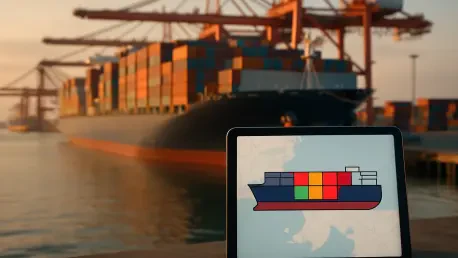

The swift detention of 164 vessels across the globe during the opening months of 2026 serves as a stark reminder that regulatory compliance remains the most volatile variable in modern shipping. For shipowners and charterers, these incidents represent far more than a temporary pause in operations; they are expensive liabilities that can dismantle supply chain reliability overnight. As Port State Control (PSC) authorities adopt increasingly rigorous inspection standards, the industry is forced to pivot from traditional reactive troubleshooting toward a sophisticated model of preemptive risk management.
Modern enforcement has reached a level of intensity where a single oversight can trigger a cascade of financial and reputational damage. This heightened scrutiny means that being “compliant” is no longer a static achievement but a continuous race against evolving international standards. Consequently, the maritime sector is seeking tools that can predict and mitigate these risks before a vessel ever reaches the pier.
Navigating the Maze: Fragmented Maritime Data
The primary hurdle to effective risk monitoring has long been the systemic fragmentation of Port State Control records. Although enforcement data is technically accessible to the public, it remains buried within siloed regional reporting regimes and various authority websites, making any comprehensive cross-border analysis a grueling, manual task. This lack of a centralized intelligence stream has historically left maritime professionals relying on incomplete snapshots of fleet performance.
Without a unified view, stakeholders often find themselves vulnerable to sudden detentions and unexpected compliance gaps. The difficulty of stitching together disparate reports from different continents means that patterns of mechanical failure or administrative neglect often go unnoticed until it is too late. This information asymmetry creates a risky environment where decisions are made based on outdated or localized information rather than a global perspective.
Consolidating Disparate Data Points: A Unified Intelligence Stream
DetentionTrackr enters the market to address this fragmentation by aggregating live detention data and enriching it with comprehensive vessel profiles. The platform maps complex ownership structures and beneficial owners alongside detailed inspection histories to provide a structured risk context for every ship. By monitoring active detentions on an hourly basis and maintaining a deep archive of resolved cases, the system allows for sophisticated benchmarking and fleet-wide performance analysis.
This technical consolidation transforms how data is consumed by providing a single point of truth for a vessel’s regulatory standing. Instead of scouring multiple databases, users receive a synthesized report that highlights potential red flags based on historical trends and current status. By integrating ownership intelligence with real-time alerts, the platform creates a transparent environment where the history of a vessel and its operators is immediately visible.
From Public Records: Operational Intelligence
Founders Thomas Cox and David Holly emphasize that the true value of the platform lies in its ability to transform raw public data into what they define as “operational intelligence.” This shift toward radical transparency allows a diverse range of users—from P&I clubs monitoring long-term compliance risks to port agents identifying vessels in need of immediate technical assistance—to operate with unprecedented clarity. The platform reflects a broader digital transformation in how the maritime industry perceives and manages commercial risk.
The focus is no longer just on what happened, but on what the data suggests will happen next. By synthesizing live enforcement updates with deep-dive ownership intelligence, the platform provides a narrative of a fleet’s reliability. This approach enables a more nuanced understanding of risk, where the reputation of an owner is weighed just as heavily as the physical condition of the ship.
Practical Strategies: Proactive Fleet Risk Assessment
Stakeholders utilized this AI-driven framework to make faster, more objective assessments before fixing tonnage or committing to high-value maritime contracts. Charterers successfully evaluated their exposure to high-risk vessels, while technical suppliers used real-time alerts to offer targeted support exactly when a vessel faced an active detention. This proactive stance allowed companies to sidestep the traditional “wait and see” approach that often led to costly port delays.
Implementing these automated monitoring tools effectively eliminated the need for manual data gathering, which freed maritime professionals to focus on high-level strategy and operational efficiency. The transition toward automated intelligence meant that global shipping operations became more resilient. This evolution suggested that future success in the maritime domain depended on the ability to anticipate regulatory shifts and maintain a transparent, data-backed record of compliance.