
Supervised Zoom sessions conducted two months apart have verified that digital cognitive assessments maintain high levels of data consistency over extended periods of time. Researchers at Northeastern University’s Brain Game Center for Mental Fitness and Well-Being reached a significant milestone by developing a mobile application designed for at-home cognitive assessment. The primary objective was to transition traditional, in-person evaluations—which usually require a physical presence at a clinic—into a digital format accessible via tablets. This shift aims to maintain high reliability while increasing accessibility and data depth for clinicians. The research specifically focuses on whether remote, technology-assisted testing can provide a superior alternative to standard pen-and-paper methods used to evaluate brain functions such as memory, planning, and processing speed. By bridging the gap between the doctor’s office and the home, this technology promises a new era of proactive and detailed mental health monitoring for all.
Modernizing Traditional Methodology
Traditionally, assessments like the Trail Making test served as the gold standard for measuring cognitive flexibility and executive functioning. In its classic form, the task involves a simple task of connecting a sequence of numbered dots on a sheet of paper to observe how a patient plans and makes decisions in real-time. While effective, the reliance on physical office visits limits the frequency and depth of these evaluations. The medical field is currently undergoing a massive shift toward virtual offerings, supported by substantial market trends. Data from industry analysts indicate that remote and online assessment technologies represent the fastest-growing sector of the global cognitive testing market. This segment is projected to experience a compound annual growth rate of 10.4% from 2026 through 2031. This trend signals a clinical consensus that the future of neurology lies in telehealth and distributed diagnostics, allowing for more frequent and accurate monitoring of populations that were previously difficult to reach.
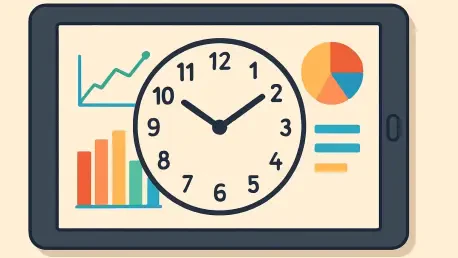
Beyond mere replication of existing tests, these digital tools offer a level of detail that physical assessments simply cannot achieve. For instance, when a patient performs a clock-drawing task on a tablet, the stylus captures what researchers call micro-interactions. While a paper-based result only shows the final drawing, the digital version tracks the speed of the stroke, the pressure applied, and even subtle hand tremors or moments of hesitation. These richer signals provide a deeper look into the patient’s neurological state that would be invisible to the naked eye. Doctoral student Quentin Coppola and his team highlighted that these tools allow for the detection of physical signals that serve as early indicators of cognitive change. Participants also reported that the digital version of the test was just as accessible and easy to use as the physical version. This finding alleviates common concerns that advanced technology might be a barrier for older adults or those who are less familiar with modern tablets.
Clinical Reliability: Implementation and Future Goals
The development of the app was paired with a rigorous study in collaboration with the Adult Changes in Thought Study, a long-term research initiative. This study focused on English-speaking adults who were provided with tablets pre-loaded with the diagnostic software along with comprehensive instructions. To ensure the reliability of the digital data, researchers utilized a comparative methodology where participants performed tasks using both the digital tablet and the traditional pen-and-paper method. The sessions were supervised by research administrators who guided participants through a battery of tasks designed to measure language fluency and memory. This structured approach allowed the team to verify the consistency of the results over time, ensuring that the app could provide stable data regardless of the environment. By proving that remote testing can match the standards of controlled clinical environments, the project established a foundation for moving specialized cognitive care out of the hospital and into the home.
The successful pilot program established that moving extensive testing to the home environment addressed the practical limitations of the current healthcare system. Clinicians were encouraged to integrate these digital tools into routine care to move beyond the constraints of brief five-minute office screenings. By adopting a telehealth model, providers facilitated deeper dives into patient cognition, which allowed for more accurate mental fitness profiles. Health systems reduced the logistical burdens on facilities and lowered costs for patients, making regular neurological monitoring significantly more affordable. Researchers recommended that the next phase include scaling the technology for use among larger, more diverse populations to ensure global applicability. The project ultimately proved that at-home testing was both viable and highly informative for detecting early signs of decline. By standardizing these mobile protocols, the medical community took a major step toward proactive brain health management, ensuring that effective monitoring became a standard part of healthy aging.