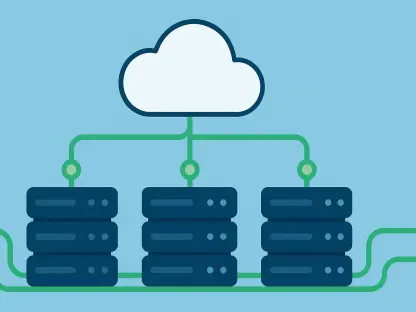

The global hunger for computational power has reached a critical juncture where the digital ambitions of Silicon Valley are colliding with the physical limitations of an aging electrical infrastructure. This intersection is no longer just a technical hurdle for engineers but a systemic risk for the entire technological landscape. As artificial intelligence models grow exponentially in complexity, the facilities housing them have transitioned from simple server rooms to massive energy sinks that threaten to outpace the capacity of regional power grids. This profile examines how a new generation of software intelligence, led by innovators like Soma Energy, is attempting to rewire the relationship between high-performance computing and the utilities that sustain it.
The primary tension lies in the fact that AI is both the cause of the crisis and its most promising solution. For years, the energy sector operated under a paradigm of steady, predictable growth, but the sudden requirement for massive, high-density workloads has disrupted this equilibrium. This shift necessitated a fundamental rethink of infrastructure management. Instead of viewing the grid as a static resource, forward-thinking organizations began treating energy as a dynamic digital asset. By deploying sophisticated software layers, the industry is now exploring whether it can fix the very problems created by the rapid expansion of large-scale machine learning.
The Roots of the Data Center Energy Surge
Historically, the American power grid was a model of stability, designed for a world where electricity demand grew at a modest, manageable pace. However, the emergence of generative AI and hyperscale computing has fundamentally altered this trajectory. Data centers, which once represented a negligible sliver of national consumption, are now on a path to consume nearly 15% of the total U.S. grid capacity within the next few years. This surge is not just about the volume of power but the concentration of it, as modern chips require cooling and delivery systems that far exceed the specifications of legacy infrastructure.
This pressure is exacerbated by the long lead times required to build new physical power plants and transmission lines. In many regions, the gap between a data center’s completion and its full connection to the grid can span several years. This delay has forced the tech industry to look inward, seeking ways to extract more utility from the electricity already flowing through the wires. The problem is not necessarily a lack of total energy, but a lack of intelligent distribution and the failure of current systems to adapt to the volatile, high-performance demands of the modern computing era.
Strategic Innovations in AI-Driven Energy Management
Faced with these constraints, companies like Soma Energy have emerged to pioneer a software-first approach to infrastructure. Founded by industry veterans with deep roots in both cloud computing and energy trading, the firm advocates for maximizing the efficiency of existing assets rather than waiting for physical expansion. This strategy relies on the belief that the current grid is not actually at full capacity, but is simply being managed by outdated, overly conservative protocols. By inserting an intelligent software layer between the utility and the consumer, they aim to unlock hidden reserves of power.
The mission of these software innovators is to turn the “dumb” hardware of the grid into a responsive, programmable network. This involves integrating disparate data points—from weather patterns to real-time market prices—into a single operational view. By doing so, data center operators can move away from being passive consumers and start acting as active participants in grid stabilization. This shift is critical for maintaining the pace of AI innovation without causing rolling blackouts or skyrocketing costs for neighboring communities.
Unlocking Stranded Grid Capacity
One of the most significant breakthroughs involves identifying what engineers call “stranded capacity.” Because traditional grid management relies on conservative safety margins, a significant portion of electrical capacity—often between 20% and 40%—remains unused to protect against theoretical peaks that rarely occur. AI software analyzes historical and real-time transmission data to pinpoint exactly when these safety buffers can be safely reduced. This allows data centers to tap into existing power that would otherwise go to waste, providing an immediate boost to available energy without digging a single new trench.
Real-Time Battery and Storage Dispatch
Beyond identifying hidden capacity, modern management platforms coordinate the use of on-site energy storage with surgical precision. Most modern data centers are equipped with massive battery arrays for emergency backup, but these assets often sit idle for the vast majority of their lifespan. Advanced algorithms can now manage these batteries to perform “peak shaving,” discharging stored energy when the grid is under maximum stress. This not only lowers operational costs for the facility but also provides a vital buffer for the local utility, preventing the need for the grid to fire up expensive and carbon-intensive “peaker” plants.
Seamless Integration of Renewable Energy
The transition to sustainable energy sources adds another layer of complexity that only software can solve. Wind and solar power are notoriously volatile, often producing the most energy when it is least needed by the grid. AI serves as a balancing layer, predicting fluctuations in renewable output and adjusting data center cooling or non-essential processing tasks accordingly. This flexibility ensures that hyperscale facilities can pursue aggressive carbon-neutrality goals without compromising the five-nines reliability that their clients demand, effectively bridging the gap between green energy and constant uptime.
What Sets AI Software Apart from Traditional Grid Management
Traditional utility management has long been defined by siloed operations and manual adjustments made over hours or days. In contrast, AI-driven software operates on a millisecond scale, making thousands of micro-adjustments that human operators could never replicate. This moves the industry away from “brute force” infrastructure—simply building more of everything—toward a model of “precision infrastructure.” By treating energy as a flexible digital asset, these systems can reroute power and optimize consumption based on the specific needs of the workloads being processed at any given moment.
Moreover, this approach creates a unified control layer that spans the entire energy ecosystem. While a traditional utility might only see the meter at the edge of the property, AI software sees into the heart of the data center’s cooling loops and server racks. This deep visibility allows for a level of agility that was previously impossible in the industrial utility sector. It transforms the power grid from a one-way delivery system into a two-way collaborative network, where the consumer’s software is just as important as the producer’s generator.
The Current Landscape of AI-Managed Infrastructure
As we move through 2026, the industry is witnessing the widespread adoption of these “smart grid” models. No longer a theoretical concept, AI-managed power is now a baseline requirement for new hyperscale developments. Startups and established tech giants are deploying platforms that coordinate everything from liquid cooling systems to regional transmission bottlenecks. These implementations have already demonstrated the ability to reduce energy-related operational costs by as much as 30%, providing a powerful economic incentive for the entire sector to move toward software-defined power.
This evolution has also changed the competitive landscape for data center providers. Speed to market used to be determined by how fast one could pour concrete; now, it is often determined by how effectively a provider can negotiate power access through software optimization. Facilities that can prove they are “grid-friendly” are receiving faster approvals and better rates from utilities. This has created a new standard for infrastructure where intelligence is valued just as highly as physical square footage.
Reflection and Broader Impacts
Reflection
The primary strength of this software-centric movement lies in its immediacy. While the physical grid will eventually need to grow, AI-driven management offers a way to bridge the gap during the decade-long construction cycles typical of the utility industry. However, the integration process is not without friction. These sophisticated software layers must interact with physical hardware that is sometimes half a century old, and they must navigate a fragmented regulatory landscape that was not designed for dynamic, software-defined energy markets.
Broader Impact
The innovations developed for data centers are likely to serve as the blueprint for the wider municipal power grids of the future. As cities become more electrified and more dependent on intermittent renewable energy, the same algorithms used to stabilize a server farm will be used to stabilize a neighborhood. This suggests a future where the technology sector doesn’t just consume resources but provides the tools to manage them more effectively for everyone. We are witnessing the birth of a “circular economy of efficiency,” where the intelligence gathered from running AI is used to optimize the very infrastructure that makes AI possible.
Toward a Sustainable Synergy Between Data and Power
The energy crisis facing data centers functioned as a necessary catalyst for a long-overdue transformation in infrastructure management. By prioritizing software intelligence over traditional physical expansion, the industry identified a path to reconcile rapid digital growth with finite physical resources. The shift toward real-time, automated energy optimization established a new baseline for how large-scale industrial consumers interacted with the public grid. It became clear that the future of computing was inextricably linked to the ability of software to govern its own environmental footprint.
Ultimately, the successful integration of AI into energy management proved that technological evolution did not have to come at the expense of regional stability. Proactive organizations embraced the challenge by deploying unified control layers that maximized existing capacity and integrated volatile renewable sources with unprecedented reliability. These efforts helped ensure that the innovations of the present were supported by a resilient and scalable foundation. As the industry moved forward, the lessons learned from managing data center power became the standard for a more responsive and sustainable global energy ecosystem.