
As urban landscapes evolve at a rapid pace, visionaries like Chloe Maraina are at the forefront of transforming how we navigate our cities. With a passion for crafting compelling visual stories through big data, Chloe, our Business Intelligence expert, brings a unique blend of data science expertise and a forward-thinking approach to data management. Her insights into AI-driven mobility and urban transportation are shaping the future of smart cities, making her the perfect guide to explore how technology is revolutionizing the way we move. In this interview, we dive into the power of AI in optimizing transportation, the critical role of real-time data in smarter urban planning, the personalization of mobility services, and the exciting potential of autonomous systems and multi-modal transit.
How is AI reshaping urban transportation in dynamic cities like Dubai?
I’m thrilled to talk about this because AI is truly a game-changer for urban mobility. In places like Dubai, where growth is fast and the demand for seamless transport is high, AI acts as the backbone of smart mobility. It’s not just about automating tasks; it’s about creating systems that think ahead. We’re seeing AI tools like machine learning algorithms and predictive analytics being used to manage everything from traffic flow to fleet availability. These technologies process huge amounts of data from GPS, IoT sensors, and connected vehicles to make real-time decisions that keep cities moving efficiently.
What specific AI tools stand out in improving day-to-day mobility challenges?
One standout is predictive analytics, which helps anticipate issues before they even happen. For instance, AI can forecast peak travel times or identify potential traffic bottlenecks by analyzing historical and real-time data. This means fewer delays for commuters and better resource allocation for mobility providers. Another tool is route optimization software powered by AI, which dynamically adjusts paths for drivers based on live traffic updates, saving time and reducing fuel consumption. These tools directly tackle everyday frustrations like long waits or gridlock.
Why is data considered the foundation of modern mobility services like car rentals?
Data is everything in today’s mobility landscape. It’s the fuel that powers decision-making for services like car rentals. Without it, companies would be guessing where to deploy vehicles or how to price services. Data gives a clear picture of user needs, traffic patterns, and operational efficiency. It’s what allows providers to shift from a one-size-fits-all model to something much more responsive and tailored. Essentially, data turns chaos into order, ensuring that resources are used effectively and customers get what they need when they need it.
What types of data are most critical for making informed transportation decisions?
There are a few key types that really drive impact. Location data from GPS and mobile apps is huge—it shows where demand is spiking or where vehicles are needed most. Then there’s user behavior data, like booking histories or travel preferences, which helps tailor services. Traffic and road condition data, often pulled from sensors or connected cars, is also vital for real-time adjustments. Together, these create a comprehensive view that lets companies make smarter choices, whether it’s about fleet management or customer satisfaction.
How does AI enable better prediction and management of transportation demand?
AI flips the script from reacting to problems to preventing them. It uses historical data and real-time inputs to predict things like demand spikes during rush hour or major events. For example, machine learning models can analyze past booking trends and weather patterns to forecast how many cars might be needed on a rainy Friday evening. This proactive approach means companies can adjust their fleets ahead of time, reducing wait times and ensuring availability. It’s about staying one step ahead, which is a massive win for both operators and users.
What role does real-time data play in building smarter cities?
Real-time data is the heartbeat of smart cities. It’s what allows continuous monitoring of everything from driving behavior to road conditions. In a city like Dubai, for instance, this data feeds into centralized platforms that can instantly reroute traffic to avoid congestion or alert drivers to hazards. It’s not just about reacting faster; it’s about creating a fluid, responsive system where information drives every decision. This leads to smoother travel experiences and helps urban planners design infrastructure that actually meets real-world needs.
How are mobility services leveraging data to personalize experiences for users?
Personalization is one of the most exciting aspects of data-driven mobility. By analyzing things like a user’s travel history, preferred routes, or even time of day they typically book, AI platforms can offer tailored recommendations. Think personalized route suggestions that avoid traffic or dynamic pricing that adjusts based on demand and user patterns. These features make the experience feel more intuitive and user-friendly, while also helping companies optimize their operations. It’s a win-win—users feel understood, and providers build loyalty.
What are some tangible benefits of AI-driven mobility for both companies and their customers?
For companies, AI slashes operational costs and boosts efficiency. Predictive maintenance, for example, uses data to spot vehicle issues before they become breakdowns, saving on repairs and downtime. For customers, the benefits show up in shorter wait times, more reliable services, and often lower costs due to optimized pricing models. I’ve seen cases where AI-driven routing has cut travel times by 20%, which might not sound huge, but when you’re stuck in traffic, those minutes matter. It’s about making transportation feel effortless on both ends.
How do you envision the future of autonomous mobility systems powered by AI?
The future is incredibly exciting. We’re moving toward fully autonomous fleets where vehicles don’t just drive themselves but also manage their own operations—think self-scheduling maintenance or rerouting based on tiny traffic shifts. We’re not quite there yet; challenges like regulatory hurdles and ensuring safety in unpredictable scenarios still need work. But with AI advancements, I believe we’re just a decade or so away from seeing self-optimizing systems become a norm in urban centers. It’ll redefine what mobility means.
What’s your forecast for the integration of multi-modal transportation in the coming years?
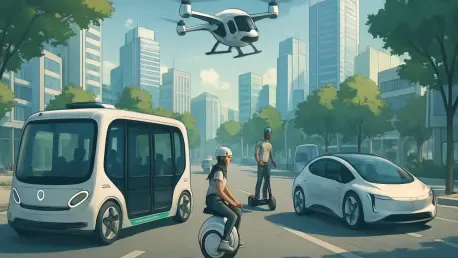
I’m really optimistic about multi-modal transportation, where car rentals, ride-hailing, public transit, and even micro-mobility like e-scooters all work together seamlessly. The idea is to create a unified platform where users can plan a trip across different modes with a single app, backed by shared data systems. This is crucial for reducing congestion and making cities more sustainable. Over the next few years, I expect AI to play a bigger role in syncing these services, predicting user needs, and ensuring smooth transitions. It’s going to be a cornerstone of smarter urban living.