
The modern workplace has undergone a radical transformation where the reliance on fragmented spreadsheets and overflowing filing cabinets represents a significant risk to organizational agility and data security. Organizations that continue to depend on manual entry for employee records often find themselves struggling with data silos, high error rates, and a complete lack of real-time visibility into their workforce. This shift away from legacy methods is not merely a matter of convenience; it is a strategic necessity driven by the demand for instant information and the absolute requirement for data integrity. The transition from “filing cabinet HR” to a digital-first approach allows leaders to move past the administrative burden of chasing signatures and toward a landscape where human capital decisions are backed by empirical evidence rather than intuition or outdated paperwork.
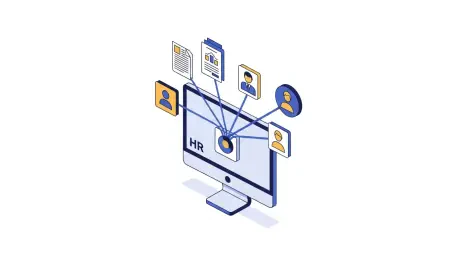
At the center of this technological pivot is the Human Resources Information System, commonly known as the HRIS. Far more than a simple electronic list of employees, an HRIS acts as the central nervous system of a company, serving as the single source of truth for every vital piece of personnel data. It integrates various functions into one cohesive platform, ensuring that a change in one area—such as an address update or a promotion—is reflected across all related modules instantly. By consolidating sensitive identifiers, performance history, and compensation structures, the HRIS provides the foundation upon which all other people-oriented strategies are built. It represents the maturation of human resources from a back-office support function into a data-driven powerhouse that aligns workforce management with the overarching goals of the business.
Modern HRIS platforms empower practitioners to look beyond basic record-keeping to understand the deeper narrative of their organization. When an HRIS is implemented effectively, it eliminates the redundancy that defines manual systems, where the same data point might be entered five times into five different logs. This efficiency creates a professional environment where the focus shifts from the maintenance of records to the development of people. Because every department relies on the accuracy of employee data for everything from security badges to budget forecasting, the HRIS ensures that the entire enterprise operates from the same playbook. It is the essential bridge between the human element of the workforce and the technical requirements of a competitive, high-growth business environment.
Beyond the Spreadsheet: The Digital Evolution of Human Resources
The evolution of human resources technology has moved with remarkable speed, leaving behind the days when a misplaced folder could derail an entire audit or payroll cycle. In the current business climate, manual data entry and paper-based files are no longer just inefficient; they are operational liabilities that expose companies to security breaches and regulatory non-compliance. As organizations grow in complexity, the sheer volume of data points—spanning from basic contact information to intricate tax documentation—makes physical storage unsustainable. The digital transition has replaced these cumbersome methods with centralized, encrypted databases that ensure information is not only preserved but is also instantly retrievable by those with the proper authorization.
This shift represents a fundamental change in the identity of HR professionals, moving them from the role of “gatekeepers of the cabinet” to strategic analysts who utilize data-driven decision-making to drive performance. The “single source of truth” concept offered by an HRIS means that there is no longer a debate over which version of a spreadsheet is the most current. Instead, every stakeholder from the recruitment team to the finance department accesses the same verified data set. This synchronization reduces the friction that traditionally existed between departments, allowing for a more harmonious flow of information. It also provides a level of transparency and accountability that was previously impossible to achieve, as every modification to the data is tracked, logged, and timestamped.
Defining an HRIS requires one to view it as a dynamic ecosystem rather than a static repository of names and dates. It is a sophisticated software solution that automates core human resources processes while providing a layer of intelligence that helps the organization understand its most valuable asset: its people. By integrating recruitment, payroll, benefits, and performance data, the system allows for a holistic view of the employee lifecycle. This comprehensive perspective enables the organization to identify trends, such as high turnover in a specific department or a growing skills gap, long before these issues become critical failures. The HRIS is the technical infrastructure that enables a company to scale its culture and its operations simultaneously, ensuring that growth does not lead to chaos.
Why HRIS Matters in a Global, Hybrid Work Environment
The rise of remote and hybrid work models has introduced a level of complexity that traditional HR methods simply cannot handle. Managing a distributed team means navigating a maze of different labor laws, tax jurisdictions, and regional compliance requirements that vary significantly from one location to another. An HRIS provides the centralized oversight necessary to ensure that an employee working from a home office in one state or country is treated with the same regulatory rigor as someone in the corporate headquarters. Without a centralized system, the risk of missing a mandatory local filing or violating a regional privacy law increases exponentially, potentially leading to severe legal and financial consequences.
Security is another critical pillar where the HRIS proves its worth in a distributed environment. When data is scattered across personal laptops or unencrypted email threads, the organization is vulnerable to cyberattacks and data leaks. A modern HRIS platform provides enterprise-grade security, including multi-factor authentication and role-based access controls, ensuring that sensitive information like Social Security numbers and bank details are protected behind sophisticated firewalls. This centralized approach also simplifies the onboarding and offboarding processes, allowing IT and HR to coordinate the provisioning and de-provisioning of system access with a few clicks. This level of control is essential for maintaining organizational integrity in a world where the physical perimeter of the office has effectively disappeared.
Beyond administrative and security functions, the HRIS serves as the digital backbone for specialized systems like Payroll and Learning Management Systems (LMS). By acting as the primary data hub, the HRIS feeds accurate information to these peripheral applications, ensuring that employees are paid correctly and assigned the relevant training modules for their specific roles. For the Chief Human Resources Officer (CHRO) and senior leadership, this connectivity is vital for high-level strategy. It allows them to correlate training completion rates with performance outcomes or salary increases, providing a clear picture of the return on investment for various people programs. In this way, HR technology is directly linked to the broader business objectives, proving that effective people management is a key driver of financial success.
Core Functions and Features of Modern HRIS Platforms
The primary utility of an HRIS lies in its ability to manage a vast array of employee identifiers with precision and ease. At its most basic level, the system tracks essential data points such as legal names, residential addresses, national identification numbers, and visa or work permit statuses for international hires. However, modern platforms go much further, documenting the entire career history of a worker within the company, including every promotion, lateral move, and compensation adjustment. By maintaining this chronological record, the system provides a clear view of an individual’s growth and contributions, which is indispensable during performance reviews or when considering candidates for succession planning.
Functional modules within the HRIS extend its reach into every corner of the human resources lifecycle. Recruitment modules track applicants from the initial job posting through the interview stages and into the onboarding phase, ensuring a seamless transition for new hires. Benefits administration modules allow employees to select health plans, retirement contributions, and other perks through a digital interface, eliminating the need for manual form processing. Absence management features provide a clear, real-time view of leave balances and vacation schedules, helping managers plan for coverage and preventing burnout. These modules work in concert to reduce administrative bottlenecks, often through employee and manager self-service portals that grant individuals the autonomy to update their own records or approve time-off requests without direct HR intervention.
Understanding the technical spectrum of HRIS options is necessary for selecting the right tool for an organization’s specific needs. Operational HRIS platforms focus on the day-to-day talent management needs, such as hiring and basic record updates, while strategic platforms are designed to assist with long-term goals like workforce planning and labor cost analysis. Tactical systems prioritize internal compliance and recruitment efficiency. Furthermore, the rise of cloud-based HRIS solutions has democratized access to these tools, allowing smaller firms to utilize the same sophisticated AI-driven insights and reporting capabilities once reserved for the largest enterprises. These cloud systems offer the advantage of frequent, automatic updates, ensuring that the software always reflects the latest tax laws and security protocols.
Quantifying the Value: Benefits and Expert Insights
The most immediate benefit of a well-implemented HRIS is the significant gain in operational efficiency. By automating repetitive tasks—such as generating employment verification letters or calculating vacation accruals—the system frees HR professionals from the “administrative trap.” This allows them to shift their focus toward high-value strategic initiatives, such as culture building, leadership development, and employee engagement strategies. When the time spent on data entry is reduced, the quality of human interaction within the company often improves, as HR teams have the bandwidth to act as genuine partners to the business rather than mere processors of paperwork.
Cost reduction is another undeniable advantage that stems from the elimination of physical storage and the minimization of manual errors. Paper-based systems incur hidden costs in the form of physical office space, printing supplies, and the labor required to organize and retrieve documents. More importantly, manual data errors in payroll or benefits can lead to expensive corrections and potential legal penalties. An HRIS mitigates these risks by enforcing data validation rules that prevent incorrect entries at the source. Additionally, the built-in compliance monitoring features of modern systems help organizations avoid the reputational and financial damage associated with regulatory failures, acting as a constant, automated watchdog for the company’s legal interests.
Moving toward a data-driven culture is perhaps the most transformative aspect of adopting an HRIS. With sophisticated reporting and analytics, leadership can move beyond basic headcounts to predictive modeling. For example, by analyzing patterns in turnover data, an HRIS can help identify departments at risk of losing key talent, allowing for proactive interventions. This level of insight fosters a culture of accountability where decisions are based on facts rather than anecdotes. Ultimately, the technology enhances the “human” element of human resources by providing employees with transparency and ease of access to their own information. When workers can easily view their career path, access their benefits, and understand their performance metrics, their trust in the organization grows, leading to higher levels of satisfaction and retention.
Strategic Implementation: A Framework for Choosing the Right System
Implementing an HRIS is a significant project that requires a structured approach to ensure the selected system truly meets the organization’s needs. The first step involves an initial pain-point assessment, where the team identifies exactly what is currently broken in the HR workflow. Are payroll errors too common? Is the recruitment process taking too long? By pinpointing these specific challenges, the organization can prioritize features that offer the most immediate relief. Without this clarity, companies risk purchasing a system that is either too complex for their needs or lacks the critical functionality required to solve their most pressing problems.
Following the initial assessment, the process moves into internal data collection and stakeholder interviews. It is essential to talk to the people who will use the system every day—not just the HR department, but also department managers and remote employees. This feedback helps define technical requirements, such as the need for a robust mobile app for workers in the field or specific integration capabilities with existing accounting software. Once these requirements are set, a budgetary analysis must be conducted. This involves evaluating different pricing models, such as the common per-employee per-month (PEPM) subscription found in cloud-based solutions, against the upfront costs of on-premises licensing and hardware. A clear understanding of the total cost of ownership over several years is necessary to avoid unpleasant financial surprises down the road.
The final stages of implementation focus on vendor selection and managing the transition. Comparing market leaders like Workday and SAP SuccessFactors against mid-market solutions like BambooHR or Gusto requires a careful look at scalability—will the system still work if the company doubles in size? Overcoming implementation hurdles often comes down to change management; employee resistance can be minimized through clear communication and comprehensive training programs. This is where the role of the HRIS Analyst becomes indispensable. These specialized professionals bridge the gap between human resources and information technology, ensuring that the system remains secure and that the data it produces is translated into actionable business intelligence. By treating the HRIS as a long-term investment rather than a one-time purchase, organizations can ensure that their digital infrastructure evolves alongside their workforce.
The adoption of a comprehensive Human Resources Information System represented a fundamental shift in how the organization approached its people and its data. Leaders recognized that the transition from manual, paper-based workflows toward a centralized, cloud-based platform was not merely an IT upgrade but a strategic move toward operational excellence. The implementation of self-service portals and automated compliance monitoring allowed the HR department to shed its administrative burdens, focusing instead on high-impact initiatives like talent development and culture building. By the end of the transition period, the company possessed a single source of truth that provided real-time insights into workforce trends, turnover risks, and recruitment efficiency.
Stakeholders across the enterprise found that the new system significantly reduced the friction previously associated with cross-departmental data sharing. Managers utilized the reporting tools to make more informed decisions about staffing and performance, while employees benefited from the transparency and autonomy provided by the mobile-accessible interface. The role of the HRIS Analyst proved to be a critical factor in the success of the rollout, as they ensured that technical requirements aligned perfectly with human needs. This professional integration of technology and strategy ensured that the system remained scalable and secure, protecting sensitive employee data while fostering a culture of accountability.
In the final analysis, the organization achieved a level of agility that was previously unattainable under the old spreadsheet-driven model. The integration of HRIS with other core systems like Payroll and Learning Management Systems created a seamless digital ecosystem that supported both local and global operations. Regulatory risks were mitigated through built-in monitoring, and the cost savings from reduced manual errors and physical storage provided a clear return on investment. The successful deployment of the HRIS demonstrated that when technology is used to empower people rather than just track them, the entire business thrives. Future considerations now involve the continued refinement of AI-driven predictive analytics to further enhance workforce planning and the employee experience.