
The modern corporate environment relies on a digital backbone that pulsates with real-time data, connecting global supply chains to local storefronts in a matter of milliseconds. As of 2026, Enterprise Resource Planning (ERP) systems have transitioned from being mere repositories of financial records to becoming the cognitive engines of the enterprise. This evolution has fundamentally shifted the expectations placed on the professionals who manage these platforms. It is no longer enough to be a silent guardian of the database; the current market demands a visionary who can orchestrate complex digital transformations while keeping a steady hand on the pulse of human organizational needs.
This article explores the multifaceted skill set required to thrive in this high-stakes environment, where the ability to bridge the gap between complex code and business growth is the new gold standard for career success. Industry observers note that the most successful individuals are those who treat the ERP not as a static tool, but as a living ecosystem. By examining the intersection of advanced technology and strategic leadership, we can identify the specific competencies that define the elite ERP practitioner in today’s borderless economy.
The Technical Rebirth: Beyond Basic Database Management
Masterminding the Convergence of AI and Automated Workflows
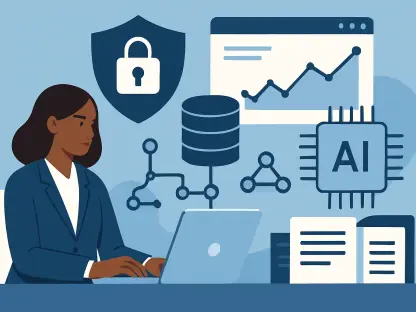
Artificial intelligence has moved past its experimental phase to become a native, indispensable component of the ERP experience. Professionals must now move beyond simple software navigation to mastering the integration of Generative AI and Robotic Process Automation (RPA) within the system’s core architecture. This involves a deep understanding of how to configure predictive analytics that can forecast market shifts before they occur. The primary challenge is no longer just making the technology work, but ensuring that these automated decisions remain transparent and ethical, preventing the “black box” effect from alienating human stakeholders.
In contrast to the manual oversight of the past, the current era demands the automation of high-volume, repetitive tasks without risking data integrity. Experts suggest that the ability to fine-tune AI prompts and parameters within an ERP framework is now as vital as traditional coding once was. This technical mastery allows organizations to scale rapidly, but it requires a professional who can navigate the skepticism of the workforce. Balancing the efficiency of a machine with the nuance of human intent is the hallmark of a modern system orchestrator.
Data Governance and Architectural Literacy in a Borderless Economy
The role of an ERP specialist has undergone a metamorphosis, turning technical staff into high-level data architects. Proficiency in big data modeling and complex migration is a baseline requirement, yet this technical prowess must be tempered with an acute awareness of a shifting regulatory landscape. With regional data sovereignty laws and evolving privacy standards becoming more stringent, building a system that is both accessible and impregnable is a delicate balancing act. Professionals are tasked with creating architectures that satisfy the hunger for data-driven insights while adhering to rigorous security compliance.
Moreover, the technical side of the job now involves managing a “data-centric” model where the backend management of SQL or XML remains essential but is no longer the final goal. The objective is to create a seamless flow of information that crosses borders without friction. As organizations expand their global footprint, the ERP professional serves as the guardian of truth, ensuring that every piece of information is accurate, compliant, and instantly available to those who need it. This requires a level of architectural literacy that extends far beyond the screen and into the realm of international law and corporate ethics.
Disruptive Innovation and the Shift to Industry-Specific Clouds
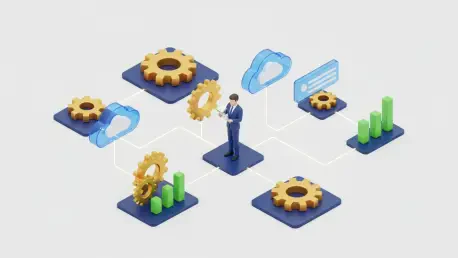
The rise of “composable ERP” is perhaps the most significant disruption to traditional career paths in recent memory. Rather than relying on a single, monolithic software suite, businesses are increasingly cherry-picking specialized cloud modules to build a bespoke environment. This shift requires professionals to demonstrate agility across multiple platforms simultaneously, such as SAP S/4HANA, Microsoft Dynamics 365, and Oracle Cloud. The market no longer favors those who stay within the safety of a single vendor; instead, it rewards the “systems integrator” who can harmonize disparate services into a unified business strategy.
This move toward interoperability forces a mental pivot from being a software expert to becoming a strategic visionary. When a company uses different clouds for its supply chain, human resources, and finance, the ERP professional is the one who ensures these systems talk to each other. This role requires an understanding of how different APIs and middleware function to create a cohesive whole. Consequently, the value of a professional is now measured by their ability to navigate a fragmented digital landscape and turn it into a competitive advantage.
The Intuitive Strategist: Predicting Friction Before It Occurs
In the high-pressure environment of a multi-year ERP rollout, the technical data on a dashboard rarely tells the full story of a project’s health. A unique skill that has emerged as a differentiator is “architectural intuition”—the ability to sense project drift or technical bottlenecks before they manifest as critical errors. This competency is built on years of hands-on experience and a deep understanding of the lifecycle of enterprise software. It allows experts to pivot strategies in real-time, providing speculative future directions that protect the organization’s return on investment.
By acting as proactive visionaries, these professionals move away from the reactive troubleshooting that defined previous generations of IT support. They are expected to look at a workflow and identify where human error or system lag might occur months down the line. This “sixth sense” is highly prized by C-suite executives who want to avoid the costly delays associated with major system updates. Ultimately, this intuition bridges the gap between what the software says is possible and what the organization is actually capable of achieving.
Harmonizing Human Capital with Digital Transformation
Success in the current landscape demands that technical depth be paired with elite organizational and interpersonal capabilities. The modern environment requires “Hybrid Professionals” who act as translators, converting complex technical jargon into actionable business intelligence for executives. Success is no longer measured solely by system uptime; it is measured by user adoption rates and the ability to lead a diverse workforce through the psychological friction that always accompanies digital change. Professionals must be mentors who can close the widening talent gap by training junior staff in the nuances of the system.
Furthermore, mastering the logistical side of project management—such as meticulous documentation and time-sensitive resource allocation—is what separates a functional technician from a high-impact leader. The human element is the most unpredictable variable in any ERP implementation. Whether it is managing the expectations of a CFO or calming the anxieties of a warehouse manager, the ability to communicate with clarity and empathy is essential. In an era where technology can do almost anything, the person who can make people feel comfortable using that technology is the most valuable asset in the room.
The Future of the Hybrid ERP Architect
The findings from current industry shifts indicated that the silos between IT and operations have effectively collapsed. It was observed that while software platforms became more sophisticated and AI-driven, the ultimate success of these systems remained tethered to human expertise and emotional intelligence. The most successful professionals were those who viewed an ERP not just as a tool, but as a strategic asset for continuous innovation. They moved beyond the role of a traditional administrator to become architects of business value, blending a coder’s logic with a leader’s vision.
Looking ahead, the focus for those in the field should be on continuous cross-platform education and the refinement of soft leadership skills. Organizations are increasingly seeking individuals who can provide not just technical solutions, but strategic roadmaps for growth. Professionals who prioritize the integration of emerging technologies like blockchain for supply chain transparency or advanced edge computing will find themselves at the forefront of the industry. The evolution of the role suggests that the most secure career path involves being a lifelong learner who can translate the language of data into the language of human success.