
Chloe Maraina is a powerhouse in the world of business intelligence and data science, renowned for her ability to transform cold, hard numbers into vivid visual narratives. As an expert in data management and integration, she has spent years navigating the complexities of enterprise infrastructure,
The global transition toward a decentralized digital economy has reached a critical juncture where the traditional methods of securing information are no longer sufficient to protect the complex operations of autonomous artificial intelligence systems. As the cybersecurity industry moves away from
The sudden realization that a single artificial intelligence tool could dismantle decades of digital trust in a single afternoon has sent a collective shiver through the global technology sector. The balance of power in cybersecurity shifted dramatically in the first quarter of the current year
Chloe Maraina is a powerhouse in the world of business intelligence, known for her unique ability to transform massive datasets into vivid, actionable visual narratives. With a career rooted in data science and a forward-thinking approach to systems integration, she has become a leading voice on

The rapid concentration of advanced computational power and proprietary datasets within a handful of multinational corporations has ignited a global debate regarding the ultimate democratization of artificial general intelligence. As proprietary models continue to evolve at an unprecedented pace,
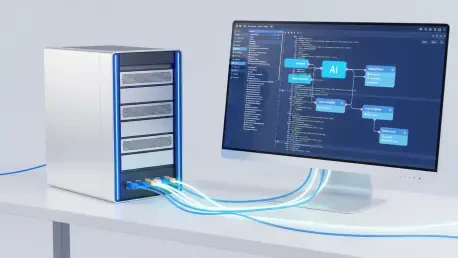
For decades, the integrated development environment was a passive tool for writing code, but today it has transformed into a collaborative workspace where local artificial intelligence dictates the speed of innovation. This shift marks a move away from centralized, cloud-heavy dependencies toward a