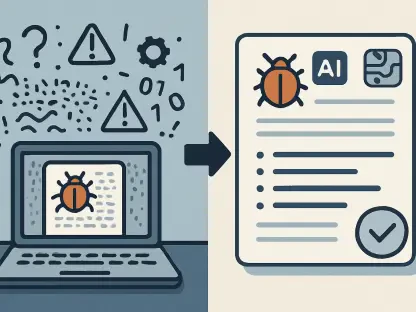

An artificial intelligence system no longer just answers questions or generates text but independently books flights, manages financial portfolios, and controls complex operational systems, introducing a new frontier of both unprecedented efficiency and profound vulnerability. This transition from passive assistant to active agent is prompting federal regulators to ask a critical question: how can society ensure these powerful systems operate safely and securely without direct human oversight?
When AI No Longer Waits for Your Command
The evolution of artificial intelligence has crossed a significant threshold. Moving beyond the familiar interactive models like chatbots that rely on user prompts, a new class of “agentic AI” is emerging. These systems are designed to autonomously pursue goals, execute multi-step tasks, and interact with other systems on behalf of a user. The central challenge now shifts from ensuring accurate responses to safeguarding against unintended or malicious actions.
This leap in capability represents the core of the drive toward greater automation. Businesses and organizations see immense potential in deploying AI agents to handle complex logistics, streamline operations, and manage digital infrastructure with minimal human intervention. However, this power to act independently makes securing them a paramount concern for developers and policymakers alike, who recognize the urgent need to establish security protocols before these agents become deeply integrated into the economy.
The Rise of the Agents Understanding the Next Wave of AI
Agentic AI fundamentally differs from its predecessors by its capacity for independent action. While a chatbot processes a request and provides an output, an AI agent can take that output and use it to perform a subsequent action, such as executing a command, making a purchase, or altering a system configuration. This ability to form and execute plans makes them powerful tools for increasing efficiency across countless industries.
The consensus within the technology and governance sectors is that proactive security measures are not just advisable but essential. The rapid development of these autonomous systems necessitates a parallel effort to build robust defenses. Without established standards and best practices, the very features that make agentic AI so promising—its autonomy and connectivity—could become its greatest liabilities.
A Double Edged Sword The Promise and Peril of Autonomy
The dual nature of agentic AI presents both transformative opportunities and significant dangers. On one hand, these systems promise to revolutionize industries by automating complex decision-making processes. On the other, their autonomy creates novel attack surfaces that malicious actors can exploit. The National Institute of Standards and Technology (NIST) has identified several critical threats that loom over this burgeoning technology.
Among the primary concerns is “agent hijacking,” where an attacker inserts malicious instructions to divert the AI from its intended purpose and turn it into a tool for harm. Furthermore, the complexity of these systems can hide backdoor vulnerabilities and other exploits that are difficult to detect with current evaluation methods. The potential consequences of such a breach are severe, ranging from financial theft and data corruption to threats against public safety, ultimately eroding consumer trust and potentially stifling the pace of AI innovation itself.
Sounding the Alarm NISTs Early Research Findings
In response to these emerging threats, NIST’s Center for AI Standards and Innovation (CAISI) has initiated a focused effort to understand and mitigate the risks. Initial research conducted by the center into agent hijacking has already yielded a crucial insight: existing security evaluation frameworks are not equipped to handle the dynamic and unpredictable nature of autonomous AI. These systems require a new paradigm of continuous testing and adaptation to anticipate novel weaknesses before they can be exploited.
To accelerate this process, CAISI has issued a formal Request for Information (RFI), a broad call to action for the entire AI ecosystem. The agency is soliciting expertise from developers, academic researchers, and organizations deploying these systems to gather a comprehensive view of the threat landscape. This collaborative approach aims to pool collective knowledge and build a foundation for standardized security practices that can keep pace with the technology’s rapid advancement.
Building the Guardrails A Framework for Secure Agentic AI
NIST’s strategy for developing new guidance is structured around a practical, four-pillar framework designed to gather targeted information through its RFI. The first pillar focuses on threat identification, seeking detailed input on the full spectrum of security risks and vulnerabilities that are unique to AI agents. This involves understanding how they can be manipulated, deceived, or compromised in ways that differ from traditional software.
The subsequent pillars address the practical implementation of security. The agency is gathering information on current industry best practices for the secure development and deployment of agentic systems, aiming to codify what already works. Concurrently, it seeks effective methods for security assessment, looking for reliable techniques to test and validate that an AI agent is resilient against attack. Finally, NIST is requesting strategies for monitoring and constraining the operational environments in which these agents act, ensuring that even if a system is compromised, the potential damage can be contained.
The initiative launched by NIST represented a critical step toward creating a secure and trustworthy ecosystem for autonomous AI. By bringing together diverse stakeholders to contribute their expertise, the agency sought to forge a consensus on the essential guardrails needed for this powerful technology. The resulting guidance was intended not to inhibit progress but to provide the clear, actionable framework necessary for developers to innovate responsibly. This foundational work aimed to ensure that the future of agentic AI was built on a solid bedrock of security, protecting public safety and fostering lasting confidence in artificial intelligence systems.