
The rapid acceleration of corporate digitization has effectively dismantled the traditional, gatekeeper model of human resources that once defined the modern office. No longer are department heads forced to wait days for a simple headcount report or a vacation balance confirmation. Today, Manager Self-Service (MSS) platforms have emerged as the primary engine for organizational agility, shifting the center of gravity from centralized HR offices to the front-line supervisors who interact with talent every single day. This roundup explores how these digital ecosystems are reshaping leadership, comparing the administrative benefits against the strategic evolution of the workforce.
The Evolution of People Management Through Digital Decentralization
The transition from a centralized administrative model to a distributed leadership framework represents one of the most significant shifts in corporate history. Traditionally, HR departments acted as a mandatory middleman for every personnel action, creating a bottleneck that often slowed down operational momentum. By decentralizing these functions, organizations are now placing the power of data directly into the hands of those who need it most. This evolution allows for a more fluid management style where decisions are made at the point of impact rather than being filtered through several layers of corporate bureaucracy.
Empowering front-line supervisors with real-time data is no longer just a convenience; it is a prerequisite for survival in a fast-paced market. When a manager can see a sudden spike in overtime or identify a localized turnover trend through their dashboard, they can intervene before the issue escalates. This immediate visibility bridges the gap between high-level corporate policy and the messy, unpredictable reality of daily team management. By providing a digital interface for these interactions, companies ensure that their leadership remains responsive and grounded in factual evidence.
Redefining Managerial Autonomy and Organizational Health
Breaking the Administrative Bottleneck with Direct Data Access
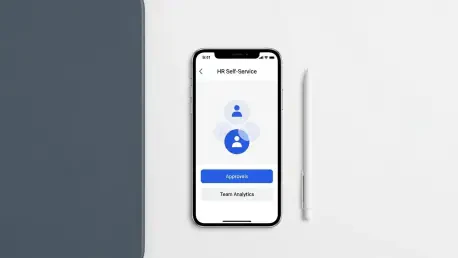
The removal of HR as a constant intermediary for routine tasks has fundamentally accelerated the speed of business. Analysts noting this shift point out that when managers have the autonomy to handle their own data requests, the friction of waiting for email replies or signed forms disappears. This “all-access” visibility into attendance, leave, and performance records creates a leadership layer that is more responsive to the needs of the staff. Instead of guessing who is available for a shift, a supervisor can simply check a mobile app and make an informed decision in seconds.
However, this transition is not without its internal tensions. While total data transparency offers undeniable benefits, it also places a heavier administrative burden on managers who may already feel stretched thin. The challenge for modern organizations lies in balancing this increased workload with the advantages of independence. When implemented correctly, the time saved by avoiding long communication chains usually outweighs the effort required to navigate the software, but it requires a cultural shift toward self-sufficiency.
Elevating HR to a Strategic Advisory Powerhouse
Offloading low-value administrative inquiries allows HR professionals to finally step into the role of strategic advisors rather than mere processors of paperwork. When the “how much sick time do I have?” questions are answered by a machine, human capital experts can focus on complex initiatives like cultural transformation and long-term talent strategy. This movement from paper-pushing to future-planning has a measurable impact on organizational productivity, as it aligns HR goals more closely with overall business objectives.
Despite these gains, some observers worry about the potential loss of the “human touch” in human resources. As processes become increasingly automated and digitized, there is a risk that the empathetic side of personnel management could be overshadowed by cold data points. To mitigate this, successful firms use the time saved by MSS to facilitate deeper, more meaningful face-to-face interactions between HR and employees, ensuring that the technology serves as a foundation for better relationships rather than a replacement for them.
Navigating Compliance and Risk in a Regulated Landscape
In a landscape defined by complex labor laws and strict certification requirements, MSS platforms act as a critical safety net. Built-in dashboards and automated alerts ensure that managers adhere to regulatory standards without needing to be legal experts themselves. By using standardized digital workflows, organizations minimize the risk of human error that often leads to costly penalties or lawsuits. This structured approach provides a level of protection that manual tracking simply cannot match in a modern regulatory environment.
There is, however, an interesting psychological dynamic at play when automated oversight becomes the norm. While these systems protect the company, they can also challenge traditional notions of trust between managers and their subordinates. If every action is logged and every deadline is enforced by an algorithm, some team members may feel over-scrutinized. Therefore, the most effective leaders use these tools to promote fairness and consistency, showing that the data is there to ensure equity rather than to act as a digital watchdog.
Enhancing the Employee Experience Through Managerial Efficiency
There is a direct and undeniable correlation between the speed of administrative approvals and overall staff satisfaction. When an employee submits a time-off request or applies for a training budget, a quick turnaround from their manager signals respect and efficiency. Platforms like Workday and Paycom have doubled down on mobile-first accessibility to cater to a workforce that is increasingly remote or on the move. This accessibility ensures that managers can stay on top of their responsibilities without being tethered to a desk.
Looking toward the immediate future, these platforms are beginning to integrate AI-driven insights to help managers become even more proactive. Instead of just showing historical data, these tools can now flag potential burnout or suggest specific engagement strategies for high-performing individuals. By turning raw information into actionable advice, MSS platforms are evolving from simple record-keeping tools into sophisticated coaching assistants that help maintain a healthy and motivated workforce.
Strategic Implementation and Long-term Best Practices
A successful transition to a self-service culture requires a disciplined, phased rollout. Most experts recommend starting with Employee Self-Service (ESS) to build a baseline of digital literacy across the entire organization. Once staff members are comfortable managing their own personal profiles and paystubs, the more complex managerial modules can be introduced. This gradual approach prevents the “tech fatigue” that often occurs when too many new systems are launched simultaneously.
Integration is another cornerstone of long-term success. If an MSS tool operates in a vacuum, it creates fragmented data silos that can lead to conflicting information. Ensuring that the platform communicates seamlessly with existing payroll, scheduling, and performance systems is essential for maintaining a “single source of truth.” Furthermore, organizations must invest in continuous training and change management. Managers are more likely to embrace these technological responsibilities when they understand how the software simplifies their lives rather than viewing it as another task on an endless to-do list.
The Future of Workforce Management in a Self-Service Era
The implementation of manager self-service platforms has fundamentally altered the hierarchy of corporate operations, creating a culture rooted in accountability and evidence-based leadership. These tools have proven that decentralized HR technology is no longer an optional upgrade for the tech-savvy but a core requirement for any organization aiming to remain competitive. By distributing administrative power, companies have managed to increase their operational speed while simultaneously reducing the risk of human error and regulatory non-compliance.
The transition toward digital autonomy was characterized by a shift in how roles were perceived within the corporate structure. Managers took on the responsibility of data stewardship, which allowed HR departments to reclaim their status as strategic architects of the workforce. As these platforms continued to evolve, they became the primary interface through which corporate culture and policy were experienced on a daily basis. The focus shifted from mere data entry to the sophisticated use of analytics to foster employee engagement and retention. This progression established a new standard where efficiency and empathy were supported by a robust digital backbone, permanently changing the nature of professional management.