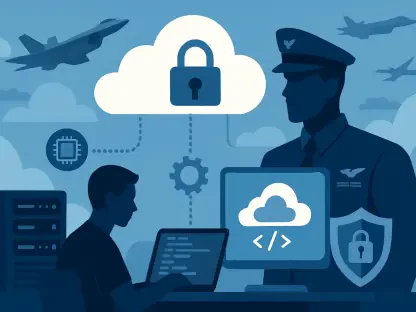

The transition from the high-stakes, fast-paced environment of an intensive care unit to the complex architecture of cloud engineering represents a profound shift in professional identity that challenges traditional notions of career progression. Denise Payne’s journey from serving as an NHS intensive care nurse to becoming a Lead Cloud Support Engineer at Trusted Tech Team UK offers a compelling blueprint for mid-career transformation in an increasingly digitized economy. While the two fields appear fundamentally disparate, they share a core reliance on rapid problem-solving, critical thinking, and the delivery of essential services under significant pressure. As healthcare systems globally continue to migrate their most vital functions to cloud environments, the demand for professionals who understand both the clinical frontline and the digital backend has surged. This unique career trajectory underscores how the digital transformation of public services creates untapped pathways for workers to transition from users of technology to the very architects and engineers who sustain these critical infrastructures.
Connecting Healthcare Logic: Bridging the Bedside and the Backend
The initial spark for this career pivot emerged from a growing realization that modern clinical practice is inextricably linked to the stability of cloud-based systems and digital record management. In the medical ward, a software glitch or a server outage is not merely an IT inconvenience; it is a direct threat to patient safety and the efficient delivery of life-saving care. By viewing technology as a vital signs monitor for organizational health, the transition became a natural evolution of the concept of “care.” Instead of focusing on individual patient outcomes, the focus shifted toward the health of the underlying digital ecosystems that support thousands of practitioners. This perspective allowed for a seamless transfer of diagnostic logic, where the process of identifying a physiological ailment in a patient mirrored the systematic troubleshooting required to resolve a critical failure in a complex cloud environment, ensuring that the human element remained the primary focus.
Building upon this foundation, the integration of healthcare expertise into technical roles provides a level of operational context that traditional computer science backgrounds may lack. When an engineer understands the real-world consequences of a database failure on an emergency department’s workflow, the urgency and precision of their response are heightened. This alignment of healthcare logic with digital infrastructure creates a more resilient system where technical decisions are informed by the practical needs of end-users. The movement toward 2026 has seen a broader industry recognition that technical systems do not exist in a vacuum. Consequently, professionals who can bridge the gap between complex backend operations and the practical realities of frontline service are becoming indispensable. This synthesis of skills ensures that cloud environments are not just technically sound, but are also optimized for the specific, high-pressure demands of the industries they serve, ultimately improving the reliability of the public services that society depends on daily.
Navigating the Technical Learning Curve: The Path to Proficiency
Mastering the intricacies of cloud engineering required a rigorous and disciplined approach to “intentional learning,” moving far beyond theoretical knowledge into the realm of hands-on technical mastery. The transition necessitated a heavy investment in industry-standard certifications, specifically focusing on the Azure ecosystem and Microsoft 365 administration, which serve as the backbone for many modern enterprise operations. This phase of development involved countless hours in troubleshooting labs and practicing scripting, effectively building a new linguistic and logical framework from the ground up. For a professional coming from a non-technical background, this period of intense study is essential for establishing market credibility and proving that the ability to manage a crisis in a clinical setting can be translated into the ability to manage a crisis in a virtual data center. This level of dedication highlights the high barrier to entry that still exists in the technology sector, demanding both a high aptitude for learning and a relentless pursuit of practical skills.
This commitment to technical excellence bore fruit rapidly, as the transition from an entry-level position to a leadership role occurred within just eleven months. Such a swift ascent was made possible by treating technical challenges with the same meticulous attention to detail required in intensive care nursing. In the cloud industry, where downtime can result in massive financial or operational losses, the “ward-level” discipline of documenting every change and anticipating potential complications proved to be a significant competitive advantage. The ability to navigate complex migrations and implement robust security protocols requires a mindset that is simultaneously granular and holistic. By successfully bridging the gap between existing soft skills and the hard requirements of cloud administration, professionals from non-traditional backgrounds can rapidly become some of the most effective engineers in the field. This progression serves as a reminder that the most important skill in the modern tech landscape is not just the knowledge of a specific language, but the ability to learn and adapt to new systems with high precision.
The Critical Role of Soft Skills: Human-Centric Engineering
While technical proficiency is the baseline for any engineering role, the presence of advanced soft skills like empathy, resilience, and high-level communication often distinguishes a lead engineer from their peers. In the high-pressure environment of the intensive care unit, communication is a life-saving tool; a nurse must be able to convey complex information clearly and calmly to both medical teams and distressed families. These same abilities are vital when managing a critical cloud outage or leading a team through a complex system upgrade. In 2026, as automation and artificial intelligence handle more routine technical tasks, the value of the human-centric engineer has only increased. These professionals act as the “interpreters” of technology, translating cold code and system logs into actionable insights and reassuring guidance for clients who may be facing significant operational stress. This human-centric approach ensures that technical solutions are delivered with a sense of perspective and an understanding of the people affected by them.
Furthermore, the resilience developed through years of managing medical emergencies provides a unique psychological advantage in the world of cloud support. While many engineers may find the pressure of a system failure overwhelming, those who have spent their careers in life-or-death situations often possess a pre-conditioned ability to remain calm and analytical under fire. This emotional intelligence allows for more effective crisis management, as it prevents panic and encourages a methodical, step-by-step approach to resolution. Beyond just fixing the immediate technical problem, a nurse-turned-engineer is more likely to consider the long-term impact on the end-user’s experience and the organizational culture. This perspective transforms the role of a support engineer from a reactive technician into a proactive consultant who prioritizes the stability and accessibility of the system. Ultimately, the integration of these “ward-level” disciplines into the engineering workflow creates a more empathetic and effective technical support structure that values human connection as much as uptime.
Addressing the Industry Confidence Gap: Overcoming Systemic Barriers
One of the most persistent obstacles for women and individuals from non-traditional backgrounds entering the technology sector is the “confidence gap,” where candidates feel they must possess 100% of the listed qualifications before applying for a role. This psychological barrier often prevents highly capable professionals from even entering the pipeline, despite possessing deep expertise in related fields. The narrative of transitioning from nursing to engineering directly challenges this trend by encouraging aspirants to “start before they feel ready” and to lean into their transferable strengths. By shifting the focus from a checklist of past experiences to a portfolio of current capabilities and potential, the industry can begin to dismantle the rigid structures that have historically limited diversity. Overcoming this gap requires a fundamental change in how candidates view their own value, recognizing that the ability to learn and adapt is often more important than a traditional computer science degree in the rapidly evolving cloud marketplace.
To effectively bridge this gap, the role of mentorship and community support cannot be overstated, as these networks provide the social capital necessary to navigate a new industry. Formal and informal mentorship programs offer a space for emerging engineers to seek advice, share challenges, and gain insights from those who have already made similar transitions. These connections are particularly vital for women in tech, providing the encouragement needed to pursue leadership positions and advocate for themselves in a competitive field. By fostering a culture that celebrates diverse career paths, the technology sector benefits from a broader range of perspectives and problem-solving styles. This inclusive approach does not just help the individual; it strengthens the entire organization by bringing in talent that looks at problems through a different lens. When professionals are empowered to overcome the internal and external barriers to entry, they bring with them a level of dedication and unique insight that drives the industry forward, ensuring that the technical workforce reflects the diversity of the global population it serves.
Driving Innovation through Non-Traditional Talent: Future Outlook
The rapid advancement of professionals like Denise Payne to leadership positions highlights a critical shift in corporate hiring philosophies toward prioritizing potential and transferable skills. Organizations that embrace talent from diverse backgrounds, such as healthcare, education, or the arts, often find that these individuals bring a level of multidisciplinary innovation that is difficult to replicate within traditional silos. These employees are not just technically capable; they are often more adept at seeing the bigger picture and understanding how technology integrates into complex human systems. By valuing the “non-traditional” resume, companies in 2026 have gained access to a wider pool of talent that is both resilient and highly adaptable. This progressive hiring strategy allows businesses to build teams that are technically proficient while also being deeply grounded in the practical applications of their work. This shift represents a move toward a more holistic view of technical talent, where the ultimate goal is to foster a workforce that can innovate with a human-centric focus.
In the final assessment, the industry successfully shifted its focus toward integrating diverse skill sets to meet the demands of a complex digital world. Companies that actively sought out career-changers realized that the most valuable assets were often found in those who had already proven their mettle in other high-stakes professions. Actionable steps were taken to formalize these pathways, such as creating specialized bridging programs and technical apprenticeships designed for mid-career professionals. These initiatives allowed for a smoother transition, ensuring that the wealth of experience from previous careers was not lost but rather repurposed for the digital age. Moving forward, the focus must remain on creating inclusive environments where the unique perspectives of former nurses, teachers, and other professionals are not just welcomed but are seen as essential to the growth of the cloud ecosystem. By continuing to prioritize emotional intelligence alongside technical acumen, the technology sector ensured that its future stayed firmly rooted in the service of human progress and connection.