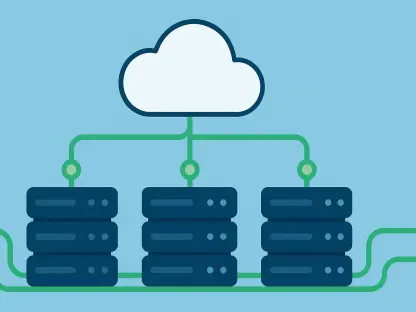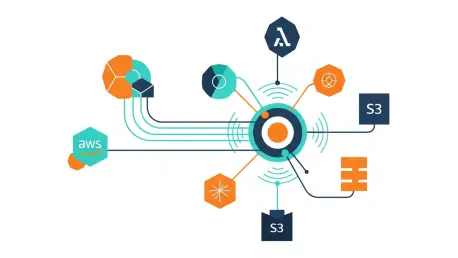

The integration of sophisticated autonomous agents into modern cloud ecosystems has sparked a critical debate among technology leaders regarding the long-term viability of human-led orchestration layers. As organizations aggressively expand their serverless footprints and containerized workloads, the demand for instantaneous, logic-based responses to infrastructure events has outpaced the physical capacity of traditional engineering teams. These agents utilize the expansive power of large language models through platforms like Amazon Bedrock to interpret intent, access real-time metadata, and execute API-driven transformations without the friction of manual ticket processing or script authoring. While the initial promise of these technologies centers on reducing operational overhead, the broader implication suggests a fundamental shift in the cloud operating model itself. The transition necessitates a deep dive into how these autonomous entities interact with core services like AWS Lambda or S3 to maintain high stability.
The Rise of Autonomous Cloud Architectures: Beyond Manual Scripting
The evolution of agentic frameworks has enabled a transition from static automation to dynamic, context-aware decision-making that mirrors the problem-solving capabilities of a senior cloud engineer. These systems operate by leveraging specialized action groups that map high-level natural language instructions to concrete technical tasks, such as right-sizing EC2 instances or remediating complex networking bottlenecks. By integrating directly with enterprise knowledge bases, AWS Agents can reference internal documentation and best practices to ensure that their proposed actions align with specific corporate standards before any changes are finalized. This capability effectively reduces the cognitive load on human operators, who previously had to correlate telemetry data from CloudWatch with architectural diagrams manually. The resulting speed of execution allows for a highly responsive environment where infrastructure can adapt to traffic surges or security threats in milliseconds.
Despite this technical prowess, the movement toward full autonomy introduces a layer of complexity regarding the interpretability of AI-driven logic and the potential for unintended system behaviors. Engineers are finding that as agents become more deeply embedded in the orchestration layer, the challenge shifts from writing code to designing the constraints that prevent model drift or hallucinations from impacting production environments. For instance, an agent tasked with optimizing cloud spend might mistakenly decommission a critical but low-traffic resource if its training data does not adequately account for the specific business context of that application. This reality emphasizes the need for a sophisticated human-in-the-loop mechanism where the agent provides detailed rationales for its decisions, allowing human overseers to validate the logic before execution. The orchestration layer is thus evolving into a collaborative space where human intuition and AI efficiency coexist.
Governance and Security: Establishing Limits for Autonomous Systems
Maintaining security and compliance remains a primary hurdle for organizations looking to fully delegate orchestration tasks to autonomous agents, particularly in highly regulated industries. Every action initiated by an AI model must be subject to the same rigorous audit trails and permission boundaries as human actions, requiring the use of sophisticated IAM policies and service control policies to limit the blast radius of any potential errors. Since agents can interact with sensitive data and perform high-privilege operations, the architectural design must prioritize a zero-trust model where every API call is authenticated and authorized based on real-time context. Organizations are increasingly adopting specialized monitoring tools to track the lineage of AI-driven changes, ensuring that any deviation from the expected state can be immediately flagged and rolled back. This focus on security ensures that the replacement of manual orchestration is not a cost to data safety.
The shift toward automated cloud orchestration was ultimately characterized by the successful integration of human governance with agentic execution to create a more resilient digital infrastructure. Engineering leaders prioritized the development of clear guardrails and observability metrics, which allowed their teams to monitor the reasoning processes of autonomous systems with high precision. By focusing on low-risk operational tasks initially, organizations built the necessary trust to gradually hand over more complex architectural responsibilities to AI-driven entities. This evolutionary process ensured that the workforce remained central to the strategic direction of the cloud environment while being relieved of the burdensome manual tasks that previously dominated their daily schedules. Enterprises that mastered this balance achieved unprecedented levels of scalability and security, solidifying the role of the agent as a permanent and essential component of the modern technology stack.