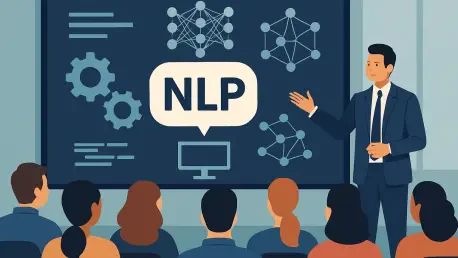

The global landscape of digital communication underwent a fundamental shift with the introduction of sophisticated linguistic frameworks that fundamentally altered how machines interpret human intent and structural nuance. When the OSCParaphraseSC 2021 framework emerged, it represented more than a simple iterative update to existing software; it was a foundational departure from the rudimentary text manipulation methods that had dominated the industry for decades. This system effectively bridged the gap between basic lexical substitution and a deeper, more holistic understanding of semantic meaning. By synthesizing advanced deep learning architectures with a rigorous focus on linguistic precision, the framework established a benchmark that continues to influence how technical and scientific information is recontextualized across various digital platforms. Its arrival signaled a transition toward a more intelligent era where the preservation of a writer’s original voice became as important as the factual accuracy of the output itself, ensuring that the essence of a message was never lost in translation or adaptation.
Part 1: Redefining Semantic Boundaries through Advanced Algorithms
The primary innovation that distinguished the 2021 framework from its predecessors was the implementation of contextual semantic analysis, which moved beyond word-for-word replacement to evaluate the broader narrative structure. Previous generations of paraphrasing tools often struggled with the complexities of human language, frequently producing awkward or nonsensical results when faced with idioms, metaphors, or highly specialized technical jargon. However, this system utilized advanced neural networks to analyze the relationship between words in a specific sentence and their role within the entire document. This architectural shift allowed for the preservation of subtle nuances that are often stripped away during automated processing. For instance, in a medical or legal document where a single misplaced synonym can change the entire meaning of a clause, the 2021 system demonstrated an unprecedented ability to maintain the integrity of the original statement while providing a fresh linguistic perspective. This breakthrough was particularly vital for professionals who required high-fidelity content adaptation without the risk of introducing factual errors or stylistic inconsistencies.
Building upon this contextual foundation, the framework introduced a level of structural granularity that allowed users to fine-tune the intensity of the linguistic transformation. Rather than offering a one-size-fits-all approach, the system provided a spectrum of “paraphrase strength” settings, ranging from minor stylistic refinements to comprehensive structural overhauls. This flexibility was made possible by optimizing the underlying transformer models, which could process vast datasets with a speed and accuracy that was previously unattainable. By leveraging the increased computational power available during its development cycle, the system could handle lengthy scientific abstracts and dense technical manuals in seconds. This efficiency did not come at the expense of quality; instead, the algorithmic optimization ensured that even the most complex rephrasing tasks resulted in coherent, human-like prose. The ability to manipulate the density and complexity of text while ensuring grammatical perfection made the framework an essential asset for writers who needed to adapt their material for different audiences or meet strict word count requirements without sacrificing depth.
Part 2: Strategic Integration in Professional and Academic Workflows
The practical utility of the 2021 framework became immediately apparent in the competitive world of digital marketing and search engine optimization, where content uniqueness is a primary driver of success. Marketers began utilizing the tool to breathe new life into existing articles, allowing them to repurpose valuable information across multiple platforms without triggering the “duplicate content” penalties that often hinder online visibility. This process was not about mass-producing low-quality content; rather, it was about achieving “content agility,” enabling brands to keep their messaging fresh and relevant to diverse audience segments. By adapting a single core message into various tones and styles, organizations could ensure that their material resonated with human readers while satisfying the technical requirements of search engine crawlers. This dual focus on human engagement and technical performance highlighted the system’s role as a strategic collaborator rather than a mere utility, allowing creative teams to focus more on high-level strategy and less on the repetitive task of manual rephrasing.
In the academic and scientific communities, the “SC” designation within the framework’s name underscored its specialized capability for handling scientific communication with extreme care. Researchers and students found the tool invaluable for simplifying complex theories and distilling dense academic findings into more accessible language for broader audiences. This application helped democratize knowledge by breaking down the linguistic barriers that often surround highly technical fields of study. However, the widespread adoption of such powerful technology also necessitated a serious conversation regarding academic integrity. Educational institutions were forced to re-evaluate their definitions of original authorship, leading to the development of new guidelines that encouraged the use of AI for comprehension and flow while emphasizing the importance of critical thinking. The framework thus acted as both a bridge for accessibility and a catalyst for ethical evolution, prompting a move toward more transparent and collaborative writing practices in the scientific world.
Part 3: Navigating the Ethical Landscape of Automated Rephrasing
As the boundaries between human and machine-generated writing continued to blur, the emergence of advanced paraphrasing tools sparked a significant debate regarding the ethical responsibilities of developers and users alike. One of the most pressing concerns involved the potential for these systems to be misused in the creation of misinformation or high-volume spam that mimics the tone of credible sources. Because the 2021 framework could produce such convincing, human-like text, the risk of bad actors using it to manipulate public opinion or bypass detection systems became a central focus of industry experts. In response, a movement toward “responsible AI” gained momentum, with a focus on creating robust watermarking and detection mechanisms to ensure transparency in the digital ecosystem. This period marked a transition from viewing NLP tools as purely technical achievements to recognizing them as powerful social instruments that require careful oversight and a commitment to maintaining the quality of the global information landscape.
Beyond the challenges of misinformation, the framework significantly contributed to the democratization of information by making “gatekept” technical knowledge available to a non-expert public. In corporate environments, the system was frequently used to translate complex legal jargon or engineering specifications into plain English, thereby reducing the likelihood of user error and improving safety protocols. For instance, an executive might use the tool to summarize a lengthy legal contract, ensuring that the core obligations are understood before a final review. This ability to act as a linguistic “translator” within the same language provided a massive boost to organizational productivity and reduced the burden on customer support departments. However, this shift also placed a higher premium on the role of the human editor, who remained essential for verifying the accuracy of the transformed text. The resulting synergy between human oversight and machine efficiency redefined the standards for professional communication, emphasizing that while the machine provides the structure, the human provides the final validation of intent.
Part 4: Future Trajectories and the Evolution of Symbiotic Authorship
Looking toward the years ahead, specifically from 2026 to 2028, the trajectory of linguistic technology is expected to move toward an even deeper level of “symbiotic authorship” where AI becomes a personalized extension of a writer’s own voice. The foundational principles established by the 2021 milestone paved the way for future systems that incorporate personalization filters, allowing the software to automatically adjust its output to match the unique stylistic quirks and preferences of an individual user. This evolution suggests a future where the distinction between “writing a draft” and “refining a concept” becomes increasingly integrated. Instead of starting from a blank page, professionals will likely engage in a back-and-forth dialogue with their systems, using them to explore different rhetorical possibilities before settling on the most effective version of their message. This shift will require a new set of skills for the modern workforce, focusing more on prompt engineering, editorial discernment, and high-level conceptual planning rather than basic syntax management.
The enduring significance of the 2021 framework was ultimately its role in proving that accuracy and creativity could coexist within a digital environment. It demonstrated that rephrasing was not merely a mechanical task but a complex cognitive process that could be successfully modeled by sophisticated algorithms. For organizations looking to thrive in an increasingly automated world, the actionable next step is to integrate these tools into existing workflows with a clear emphasis on human-centric oversight. This means investing in training that teaches employees how to use these systems as collaborative partners rather than as total replacements for original thought. By maintaining a balance between the efficiency of AI and the critical judgment of the human mind, businesses can ensure that their communication remains authentic, accurate, and impactful. The lessons learned from the 2021 era highlighted that while the words on the page may change, the responsibility for the message remains firmly in the hands of the creator, setting a standard for the future of digital discourse.