
Digital workspaces have transitioned from static video windows into hyper-intelligent ecosystems where software no longer waits for a command but anticipates the next phase of a project before a meeting even concludes. The previous focus on generative AI, which largely revolved around summarizing transcripts or polishing emails, has given way to “agentic AI”—systems engineered to execute multi-step workflows autonomously. Zoom is leading this charge by evolving its platform from a simple utility into an active digital teammate that manages the logistical friction of a modern workday.
This strategic shift attempts to address the exhaustion many professionals feel when navigating a fragmented digital environment. Instead of spending hours reconciling notes from various applications, employees now interact with a unified interface where the AI understands the context of a conversation and triggers real-world actions. By moving beyond passive observation toward active participation, the platform aims to reclaim the time lost to administrative overhead, allowing human workers to focus on high-level strategy and creative problem-solving.
The Evolution: From Passive Tools to Active Digital Teammates
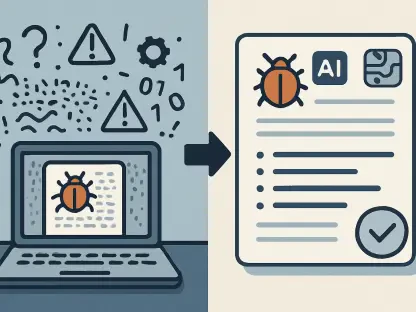
The era of video conferencing being a mere window into a remote office has officially ended, replaced by an integrated environment where the software functions as a productive colleague. While the initial wave of AI integration centered on descriptive tasks, such as creating meeting minutes, the current iteration focuses on agency. Agentic AI does not just tell a user what happened; it understands what needs to happen next and begins the process of doing it. This transition marks a fundamental change in how software is perceived within the corporate hierarchy.
By consolidating various communication channels into a single, AI-driven workspace, the platform removes the silos that previously hindered productivity. The “agentic” nature of this technology means it can navigate across different modules—from chat to phone to documents—carrying the context of a project throughout the entire lifecycle. This shift represents a move toward a more fluid style of collaboration where the software itself acts as the glue between disparate tasks, ensuring that momentum is maintained even after the call ends.
Why the Move to Agentic AI Matters for the Modern Enterprise
The modern enterprise currently faces a crisis of fragmentation, where critical data is often trapped in specialized apps that do not communicate with one another. When information discussed during a video call stays locked in a transcript while project deadlines live in a separate planning tool, the resulting “app overload” leads to significant administrative burnout. The significance of moving toward agentic AI lies in its ability to bridge these gaps, serving as a central nervous system for business operations that synchronizes data across the entire ecosystem.
Furthermore, this pivot reflects a broader industry trend where the goal is no longer just to connect individuals, but to automate the transition from conversation to a finished work product. Businesses that adopt these active systems can reduce the manual labor associated with starting new documents or assigning tasks. By making the AI an active facilitator, organizations can ensure that the valuable insights generated during collaborative sessions are immediately translated into actionable project plans, thereby increasing the overall velocity of the business.
Key Pillars: Zoom’s Agentic AI Strategy
The cornerstone of this new approach is the AI Companion 3.0, a sophisticated engine that maintains a consistent presence across the entire workplace suite. This engine ensures that the AI’s understanding of a project remains stable whether a user is responding to a chat, participating in a global meeting, or organizing a team event via Workvivo. By creating this persistent digital backbone, the platform ensures that the AI is always informed by the most recent and relevant data, reducing the need for repetitive prompting.
Execution is the primary differentiator in this strategy, as the system is now built to trigger complex workflows across third-party applications. This includes the introduction of Zoom Docs and specialized sheets where the AI can generate templates and project structures directly from the context of a meeting. Additionally, the cross-platform utility of “My Notes” allows the AI to function during sessions on rival platforms like Microsoft Teams or Google Meet, ensuring that the user’s centralized intelligence repository remains updated regardless of the communication tool used by external partners.
Insights into the Impact of Agentic Automation
Market analysts suggest that this strategy positions the platform as a crucial extension to existing productivity suites rather than a redundant competitor. By allowing data to be exported seamlessly to external formats, the platform ensures that the contextual intelligence captured during a conversation remains useful throughout the broader corporate ecosystem. The focus is on leveraging a rich repository of trusted data to execute tasks that previously required human intervention, such as complex scheduling or cross-referencing project requirements with team availability.
Beyond productivity, the impact of this automation extends into the realm of real-time security. The introduction of deepfake risk detection highlights a critical shift in how AI is deployed for enterprise safety. As synthetic media becomes more sophisticated, the platform uses its underlying intelligence to provide immediate alerts during sensitive interactions if it detects unauthorized or synthetic audio and video. This proactive security layer demonstrates that agentic AI is as much about protecting the integrity of the workspace as it is about increasing its efficiency.
Practical Strategies: Implementing AI Agents in the Workflow
Organizations can begin maximizing this technology by automating post-meeting momentum through the integration of phone and chat functions. By allowing the AI to generate follow-up emails and task assignments based on the spoken word, teams can ensure that no critical action items are lost in the shuffle of a busy day. Deploying departmental agents for high-volume areas like IT or Sales also provides immediate relief for staff, as these specialized tools can handle repetitive inquiries and basic troubleshooting through automated text interactions.
Centralizing documentation is another vital strategy for modern teams. Using AI-driven document tools to pull information directly from transcripts allows for the creation of a single source of truth that is constantly updated. To ensure the highest level of security, administrators should enable deepfake detection for all external-facing calls, providing an additional safeguard against social engineering. By embracing these practical applications, businesses can transform their digital environment into a high-performance workspace where the transition from discussion to execution is nearly instantaneous.
The transition toward a fully autonomous workplace proved to be a foundational shift for modern enterprises. Organizations that integrated these agentic systems reported a significant reduction in administrative fatigue as the software took over the mechanical aspects of project management. The evolution from passive recording to active task execution changed the landscape of digital collaboration, establishing a new standard for how data was utilized across different platforms. By prioritizing the security of these interactions and the fluidity of data transfer, businesses successfully navigated the complexities of a highly automated work environment. This historical pivot eventually redefined the role of human workers, allowing them to focus almost exclusively on high-value creative and strategic initiatives.